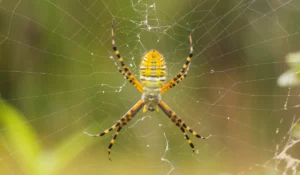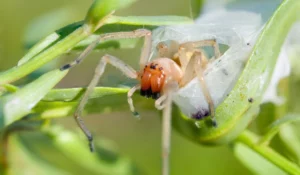

Every year around September and October, homeowners notice a dramatic increase in spider webs — especially large orb webs around outdoor light fixtures, in yards, and around house eaves. Big colorful spiders appear on the webs, sometimes several in a single yard. The “sudden infestation” feels alarming, but it’s actually predictable biology happening on schedule.
Most of these spiders are beneficial, not dangerous, and the fall visibility is a short-term peak rather than an ongoing problem. Understanding what’s going on and what’s worth treating (and what isn’t) saves a lot of unnecessary alarm.
At Simple Pest Management we get a lot of calls about fall spider activity across San Diego and Sacramento. Here’s the breakdown.
What’s Actually Happening
Maturation Timing
Most California outdoor spiders hatch in spring, develop through summer, and reach adult size in late summer and early fall. The large spiders visible in September and October are the same populations that were present all summer but as much smaller immature individuals.
Mating Activity
Fall is mating season for many spider species. Adult spiders are:
- Building larger webs to attract mates.
- More visible as males search for females.
- Producing egg sacs in preparation for winter.
Life Cycle Completion
Most orb-weaving spiders die after reproducing in fall. The big dramatic spiders you’re seeing will be gone by November or December, with eggs sacs overwintering to produce next year’s generation.
Seasonal Visibility
Morning dew and lower-angle fall sunlight make webs more visible than in summer. Webs that went unnoticed all summer become obvious as conditions highlight them.
The combination produces the “sudden invasion” appearance. It’s actually the annual peak of a cycle that’s been running all year.
The Common Fall Spiders
Common species in California:
- Golden silk spider relatives (various species).
- Cross spider (Araneus diadematus).
- Western spotted orb weaver (Neoscona oaxacensis).
- Banded garden spider (Argiope trifasciata).

Orb Weavers (Araneidae family)
- Large round or angular-bodied spiders.
- Colors range from yellow and brown to vibrant greens and oranges.
- Build classic wheel-shaped webs, often 12 to 24 inches across.
- Active mostly at night; often rebuild web daily.
- Not dangerous. Bites are rare and produce mild local reactions at worst.
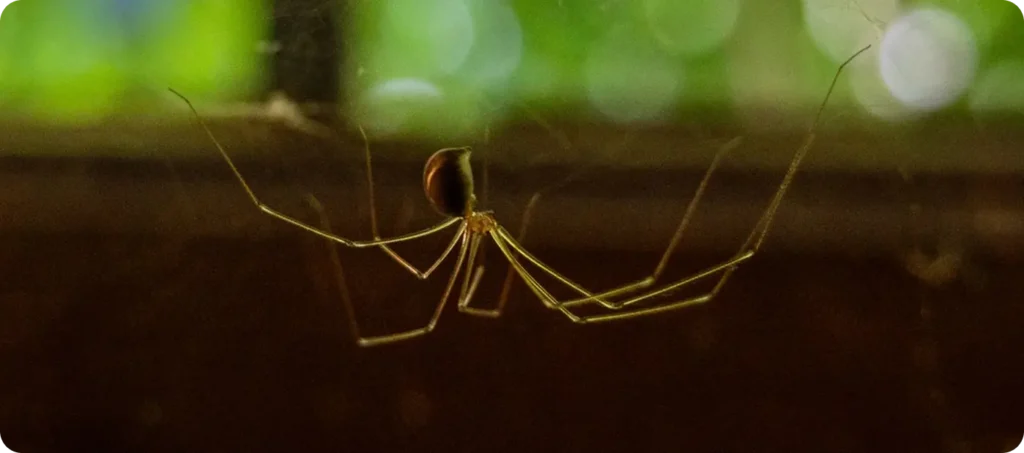
Cellar Spiders (Pholcidae)
- Long thin legs, small oval body.
- Pale and delicate.
- Build messy irregular webs in corners, sheds, and garages.
- Harmless.
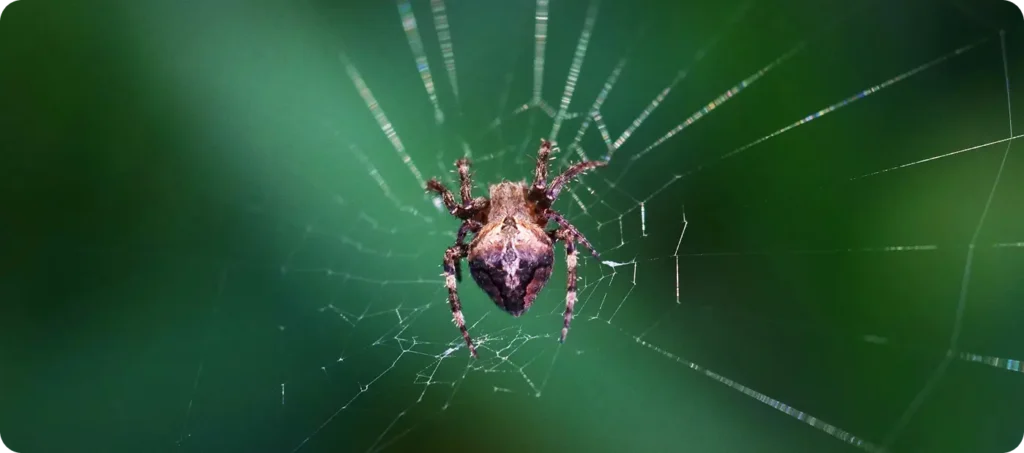
Cobweb Weavers (Theridiidae)
- Includes both common house spiders and widows.
- Build tangled, irregular webs.
- Most species are harmless; widows are the exception requiring different treatment.
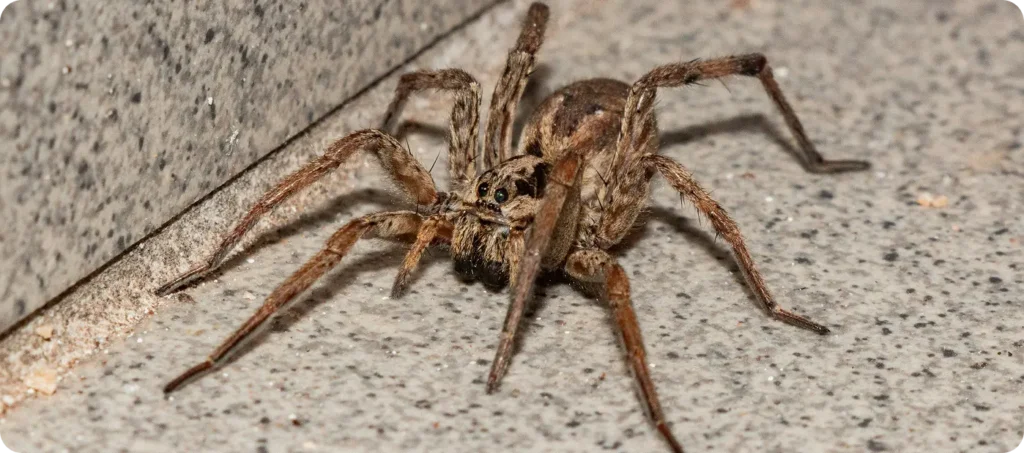
Wolf Spiders (Lycosidae)
- Large, hairy, fast-moving.
- Do not build webs; hunt on the ground.
- More active in fall as they search for mates.
- Bite is painful but not dangerous.

Jumping Spiders (Salticidae)
- Small, compact, with prominent eyes.
- Daytime hunters.
- Generally beneficial and non-dangerous.
Which Fall Spiders to Actually Worry About
The answer for California: primarily just western black widows. See separate articles on widow identification and management.
For orb weavers and the other common fall spiders: the appropriate response is usually appreciation rather than treatment. They eat substantial numbers of mosquitoes, flies, moths, and other insect pests. A garden with healthy orb weaver populations typically has fewer other pest issues.

Situations Where Fall Spider Reduction Matters
Spiders on High-Traffic Surfaces
Webs across walkways, doorways, or patio access points create daily encounter issues. Remove webs and relocate or deter spiders in those specific areas.
Around Outdoor Lighting
Lights attract insects; insects attract spiders; spider webs accumulate around lights. Addressing the lighting reduces the spider concentration:
- Switch to yellow or warm-spectrum bulbs.
- Direct lights away from the house.
- Use motion-activated lights.
On Outdoor Furniture
Spiders establishing webs on frequently-used patio furniture should be removed and discouraged from rebuilding.
Dense Accumulation Against the House
Heavy web accumulation on exterior walls, particularly around windows, affects appearance and can contribute to indoor spider sightings as spiders migrate through gaps.
Allergy or Phobia Considerations
Households with significant arachnophobia or rare spider allergy may warrant broader reduction than the ecology alone suggests.
What Actually Reduces Fall Spider Pressure
Lighting Changes
The most effective non-chemical intervention. Reduce insect attraction and you reduce spider food supply:
- Yellow or amber bulbs rather than white.
- Warm LED rather than cool LED.
- Motion sensors rather than all-night lighting.
- Direct fixtures away from the house.
Regular Web Removal
- Sweep webs with a broom or brush from eaves, corners, and light fixtures weekly during peak season.
- Use a pressure washer on higher areas periodically.
- Webs rebuilt the same day are signs of an active resident spider, not necessarily pest pressure.
Reduce Insect Attractants
- Address moth attraction (yellow bulbs, covered trash, no open pet food).
- Reduce mosquito breeding (standing water elimination).
- Reduce flies (pet waste management, trash sealing).
Perimeter Treatment
Residual insecticide applied to exterior walls and eaves reduces spider populations. Effectiveness varies:
- Repellent products (pyrethroids) discourage spiders from establishing webs.
- Non-repellent products are less commonly used for spider work.
- Treatment effect lasts 4 to 8 weeks under typical conditions.
For properties with heavy fall pressure, a mid-September exterior treatment reduces the peak.
Clean Storage Areas
Garages, sheds, and outbuildings develop heavy spider populations in fall. Cleanup work:
- Remove clutter and old boxes.
- Sweep corners and under shelving.
- Knock down webs.
- Reduce harborage for insects that attract spiders.
What Doesn’t Work Well
Spraying Visible Spiders with Aerosol
Kills the individual, doesn’t address population or rebuilding.
Ultrasonic Devices
No consistent evidence of effectiveness on spiders.
Essential Oil Sprays
Marketed as spider repellents; effects are short and unreliable.
Indoor Bug Bombs
Broad chemical deposit with limited spider mortality and no effect on outdoor populations that re-enter.
Encouraging Tolerance
For most outdoor spiders, the most realistic approach is tolerance and selective management rather than elimination:
- Remove webs in high-traffic areas.
- Leave webs in lower-use spots (back garden, away from walkways).
- Relocate large visible spiders from doorways and patios rather than killing.
- Let orb weavers in garden beds continue their work — they’re eating pest insects.
The alternative — trying to eliminate all outdoor spider populations — is chemically intensive, environmentally significant, and rarely successful because spider populations re-establish from surrounding areas within weeks.
Indoor Spider Considerations
Most indoor spider sightings in fall are outdoor spiders that entered through open doors, attached to brought-in items, or via gaps. They typically don’t establish indoor populations. Interventions:
- Seal doors and windows.
- Repair screens.
- Reduce attractant lighting near doors.
- Clear web buildup from door frames and entry areas.
Long-legged cellar spiders (daddy long legs) sometimes establish small indoor populations in basements and garages. They’re harmless and actually eat other spiders. Tolerating them often reduces total spider presence overall.
When Bites Occur
Most reported “spider bites” are actually other insect bites, allergic reactions, or medical conditions mistaken for bites. Actual spider bites:
- Usually produce a small puncture and mild local reaction.
- Heal over a few days with basic care.
- Widow bites produce distinctive muscle cramping and systemic symptoms requiring medical attention.
For any bite with systemic symptoms, spreading redness, or severe pain, seek medical evaluation. For typical suspected spider bites without these features, wash with soap and water, apply ice, and monitor.
San Diego vs. Sacramento
In San Diego, fall spider activity peaks September through early November. Coastal and canyon-adjacent properties see particularly heavy orb weaver populations. Mild fall weather extends the season compared to colder regions.
In Sacramento, fall spider activity peaks late September through October. Foothill properties, rural and semi-rural residential, and properties adjacent to vegetation see heavy activity. Orb weaver populations end abruptly with first hard freeze, which in Sacramento typically occurs in November or December.
When Professional Work Is Worth It
For typical fall spider populations, web removal, lighting adjustments, and tolerance handle most situations. Professional work earns its keep when:
- Heavy pressure persistently affects outdoor use.
- Widow populations are present and require treatment.
- Exterior treatment timing benefits from professional application.
- Commercial properties where spider webs affect appearance or operations.
- Properties with allergy or phobia sensitivities warranting broader reduction.
The Tri-Zone™ Defense System addresses spider pressure at the fence line, yard, and foundation with particular attention to widow reduction and general perimeter management. Simple Pest Management handles spider work across San Diego and Sacramento with emphasis on targeted treatment for genuinely problematic species rather than broad-spectrum elimination of beneficial spider populations.