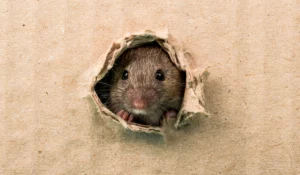

The first cool night in September is the starting gun for rodent migration. Outdoor food supplies dwindle, overnight temperatures drop, and mice and rats start scouting for warm dry places to spend the winter. Your attic, garage, and wall voids are on the short list.
Most rodent problems discovered in November and December actually started in September and October, when the animals entered and began establishing. By the time you hear scratching or find droppings, the population is usually weeks ahead of the sighting.
Getting ahead of this requires action in September, not November. At Simple Pest Management we handle a lot of fall rodent work across San Diego and Sacramento. Here’s what to do and why the timing matters.
What’s Driving Fall Migration
Temperature
Mice are uncomfortable below about 50°F overnight. Once nights drop into the 40s and 50s, indoor spaces become significantly more attractive than outdoor shelter. Rats tolerate cold better but still prefer sheltered environments.
Food
Outdoor food sources (insects, seeds, garden produce) peak in summer and decline through fall. Winter forage is sparse. Rodents that have been foraging in yards and open space start seeking more reliable food sources, which often means human-associated environments.
Breeding
Rodent breeding continues year-round but accelerates in cool weather for some species. Established indoor populations can produce several litters through winter, compounding the problem from an initial entry event.
Landscape Changes
Fall yard cleanup often disturbs outdoor rodent harborage (brush piles, overgrown beds, unused garden beds), pushing animals to seek new shelter. A yard cleanup without corresponding structural exclusion can actually worsen the home rodent problem in the short term.
The Top Entry Points to Seal
Roof Line and Eaves
Rats especially enter through:
- Gaps where the roof meets walls.
- Unscreened or damaged soffit vents.
- Gaps around roof-penetrating pipes.
- Damaged fascia or trim boards.
- Gaps at the intersection of dormers and main roof.
Fall is the right time to do a visual inspection of the roofline from ground level with binoculars and up close from a ladder for specific areas of concern.
Attic Vents
Gable vents, ridge vents, and soffit vents should have intact hardware cloth or metal screening behind them. Plastic or weathered screening tears easily. Replace with 1/4 inch hardware cloth.
Foundation Cracks and Gaps
- Check the entire foundation for cracks wider than 1/4 inch (mice) or 1/2 inch (rats).
- Inspect at corners where foundation meets siding.
- Look for gaps where concrete meets framing.
Fill with concrete patch for larger cracks, caulk for smaller ones.
Utility Penetrations
Every pipe, conduit, and cable entering the building is a potential entry point:
- Water and sewer lines.
- Electrical conduits.
- Gas lines.
- HVAC refrigerant lines.
- Cable and phone lines.
- Dryer vents.
- Kitchen exhaust vents.
Fill gaps with stainless steel mesh or copper mesh, then seal with expanding foam or caulk. Mesh is what actually excludes; foam alone is chewed through.
Garage Door Seals
The overhead door is one of the most common rodent entries. Check:
- Bottom seal for gaps, especially at corners.
- Side seals for gaps where door meets jamb.
- Threshold condition — uneven slab allows mice under intact seals.
Replace worn seals. Install floor threshold products where slab condition is uneven.
Chimney and Fireplace
- Chimney cap integrity. Damaged caps allow entry.
- Flue damper operation.
- Gaps around chimney chase in attic.
Crawl Space Access
- Intact vent screens.
- Access doors that seal properly.
- No gaps around pipe penetrations visible from below.
Exterior Doors
- Door sweeps in good condition.
- Weather stripping intact.
- No light visible around door frames.
Landscape Work That Reduces Rodent Pressure

Trim Trees Away from Roof
Branches touching or within 4 feet of the roof provide direct access for rats. Trim clearance of 4 to 6 feet.
Thin Dense Vegetation Against the House
Ivy, dense shrubs, and overgrown foundation plantings provide cover and concealed travel routes. Trim back or remove where rodent pressure is a concern.
Manage Woodpiles
- Store firewood at least 20 feet from the house.
- Elevate on racks off the soil.
- Disturb the pile periodically when using it.
Secure Trash
- Bins with tight-fitting lids.
- Stored away from the house or in sealed garage.
- Empty regularly.
Address Pet and Bird Food
- Don’t leave pet food outside overnight.
- Store bird seed in sealed metal containers in the garage, not near the house.
- Consider whether bird feeders are drawing rodents — some properties see significant rodent pressure from scattered bird seed below feeders.
Fruit Tree Drops
- Harvest fruit regularly.
- Clean up windfall daily during fruit drop season.
- Fallen fruit is a major rodent attractant and supports population increases.
Timing the Work
August to Mid-September
Ideal window for:
- Exterior inspection.
- Exclusion work (sealing, screening).
- Landscape cleanup.
- Bait station placement if used.
- Perimeter inspection for existing activity.
Late September to October
Window for:
- Catching up on work not done earlier.
- Monitoring for evidence of entry attempts.
- Trap placement if activity is detected.
November to December
Too late for most prevention work. At this point you’re managing populations that have already entered:
- Interior trap placement.
- Professional assessment.
- Attic and crawl space treatment.
The work done in August and September is worth roughly 5x the effort of the same work done in November.
Detection — Finding Activity Before It Becomes Obvious
Early signs of rodent entry:
- Droppings in garages, utility closets, pantries, or attics.
- Gnawing marks on cardboard, soft materials, or food packaging.
- Shredded insulation or nesting material in stored items.
- Grease marks on walls where rodents travel along baseboards.
- Pet interest in specific locations (cats and dogs often detect rodents before humans see them).
- Faint odor of urine (detectable by some people, especially in enclosed spaces).
- Scratching sounds at night, especially in attics or walls.
Monthly inspection of these areas during fall catches activity early.
Treatment When Exclusion Is Incomplete
If rodents have already entered:
Snap Traps
- Along walls where rodents travel.
- Baited with peanut butter, chocolate, or nesting material.
- Set in groups of 6 to 12.
- Checked daily.
Electronic Traps
- Plug-in kill traps that dispatch rodents humanely.
- Good option in garages and utility areas.
Bait Stations
- Tamper-resistant stations with first-generation anticoagulants.
- Placed in non-accessible areas.
- Secondary poisoning risk for pets and wildlife that consume poisoned rodents.
- California restrictions on second-generation anticoagulants limit consumer options.
Professional Evaluation
For active infestations, professional trapping and baiting is often more effective than DIY, particularly in attics and wall voids where placement matters.
When Sealing Work Reveals Existing Infestation
Sometimes exclusion work uncovers signs of existing activity (droppings in the attic, nesting material, wiring damage). When this happens:
- Don’t seal completely until population is controlled, or you’ll trap active rodents inside.
- Identify and trap the existing population.
- Confirm absence of activity (no new droppings for 2 weeks, no additional gnawing).
- Complete sealing work.
- Clean up droppings and contamination (with appropriate PPE — rodent droppings carry disease risks, particularly hantavirus in some species).
Rodent Cleanup Safety
When cleaning areas with rodent activity:
- Ventilate the area for 30+ minutes before entering.
- Wear gloves and a N95 or better mask.
- Wet droppings and nesting material with disinfectant spray before sweeping or vacuuming to avoid aerosolizing particles.
- Dispose of materials in sealed bags.
- Clean contaminated surfaces with disinfectant.
- Wash clothing worn during cleanup separately.
California has had hantavirus cases, particularly from deer mice in foothill and rural areas. The precautions above are appropriate for any rodent cleanup situation.
San Diego vs. Sacramento

In San Diego, fall rodent migration is less dramatic than in colder climates but still significant. Roof rats are the primary concern, entering through rooflines and utility penetrations. Coastal and canyon-adjacent properties see the heaviest pressure. Year-round activity means fall-specific prep is less critical than ongoing exclusion but still valuable.

In Sacramento, fall migration is pronounced. Norway rats, roof rats, and house mice all increase indoor activity in September and October. Cold winter temperatures make indoor spaces particularly attractive. Foothill and semi-rural properties see the heaviest pressure. Fall sealing work in Sacramento is among the highest-ROI pest prevention available.
When Professional Work Is Worth It
For engaged homeowners with moderate rodent pressure, DIY fall sealing and trapping handles most situations. Professional work earns its keep when:
- Active rodent activity is already present.
- Exterior inspection reveals gaps requiring professional sealing (roofline, chimney, attic access).
- Property has persistent historical rodent pressure.
- DIY trapping hasn’t produced results after 2 to 3 weeks.
- Large or multi-structure properties where coverage area exceeds homeowner capacity.
The Tri-Zone™ Defense System addresses fall rodent pressure at the fence line, yard, and foundation with timing coordinated to the September-October migration window. Simple Pest Management handles fall rodent work across San Diego and Sacramento with emphasis on exclusion first, then targeted population control where needed.