Carpet beetles don’t announce themselves. By the time a homeowner notices, the damage has been happening for months — holes in wool sweaters stored since spring, thinning carpet fibers in low-traffic areas, shed skins accumulating in corners and under baseboards. Winter is typically when the problem becomes visible because stored winter woolens come out of closets with damage that wasn’t there when they went in.
The treatment approach for carpet beetles is different from most household pests. Adults don’t damage anything; larvae do the damage. Treatment has to address larvae specifically, in the specific locations where they feed. Generic spray treatments don’t solve carpet beetle problems.
At Simple Pest we handle carpet beetle work across San Diego and Sacramento. Winter is when most calls come in, even though the underlying issue has been developing longer. Here’s how to identify, address, and prevent carpet beetle damage.
What Carpet Beetles Are
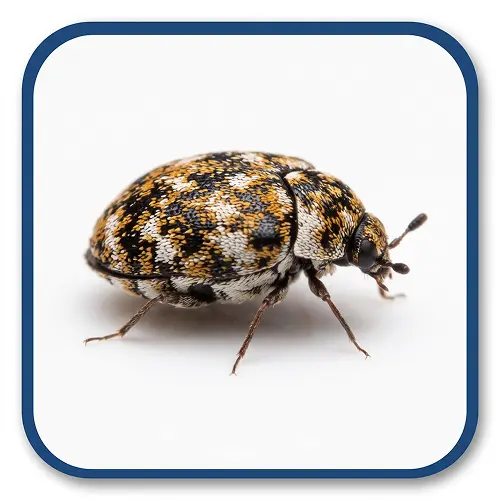
The Adults
- Small (1/8 to 3/16 inch).
- Oval, dome-shaped.
- Varied patterns depending on species.
- Common species: varied carpet beetle, furniture carpet beetle, black carpet beetle.
The Larvae
- Small (1/4 to 3/8 inch).
- Brown or black with distinctive bristles.
- Sometimes called “woolly bears” due to hairy appearance.
- Carrot-shaped body (wider at head end).
- Avoid light.
The Damage Makers
Larvae do all the damage. Adults feed on flower pollen outdoors and don’t damage household items. Finding adults indoors indicates either entry or emerging population — the larvae are the actual problem.
Life Cycle
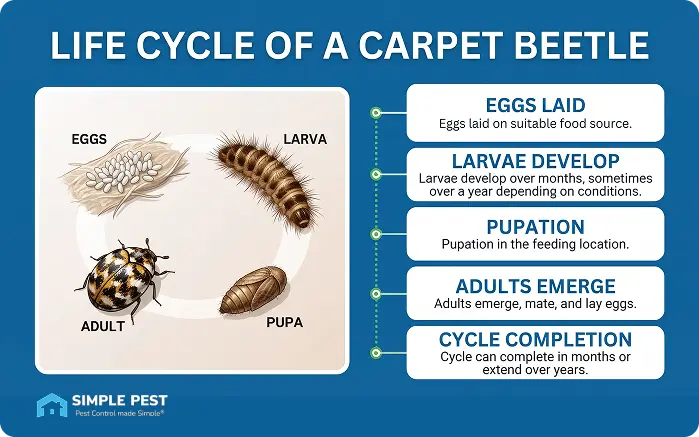
- Eggs laid on suitable food source.
- Larvae develop over months (sometimes over a year depending on conditions).
- Pupation in the feeding location.
- Adults emerge, mate, and lay eggs.
- Cycle can complete in months or extend over years.
What Carpet Beetles Eat
Larvae feed on animal-based and some plant-based materials:
Primary Targets
- Wool (carpeting, clothing, blankets).
- Silk.
- Fur and leather items.
- Feathers (pillows, down items, trophy mounts).
- Hair (including pet hair accumulations).
Secondary Targets
- Dried insects (dead insects in undisturbed areas).
- Dead animal material (rodent carcasses in walls).
- Dried pet food.
- Stored grain products (sometimes).
Not Targets
- Synthetic fibers (nylon, polyester).
- Cotton and linen primarily.
- Foods without animal origin.
Mixed-Fiber Items
- Blended fabrics damaged if significant wool or silk content.
- Some blended items resistant.
Why Winter Produces Visible Damage
Stored Items Coming Out
- Winter woolens from closets and storage.
- Damage accumulated through summer and fall visible for first time.
- Shock of discovering damaged sweaters, coats, blankets.
Central Heating
- Indoor conditions favorable for development.
- Larvae active year-round in heated homes.
- Faster development than outdoors.
Holiday Storage Access
- Attics and storage accessed for decorations.
- Items examined that weren’t examined in months.
- Damage to stored items discovered.
Dust and Debris Accumulation
- Reduced cleaning in winter months.
- Dust accumulation favors larvae.
- Pet hair accumulations under furniture.
Signs of Infestation
Damage Patterns
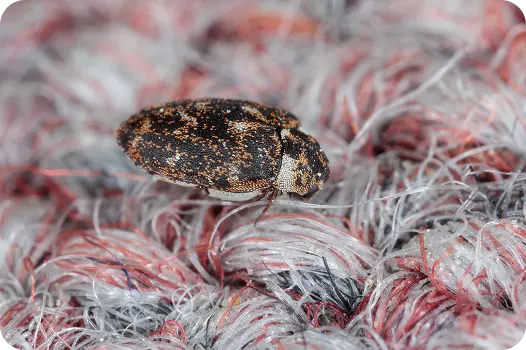
- Irregular holes in wool items.
- Often in areas contacting skin (sweat and body oils increase attraction).
- Shredded texture on carpet in low-traffic areas.
- Thinning wool upholstery.
Shed Skins
- Larval shed skins accumulate in affected areas.
- Appear as empty larval skins.
- Brown color and characteristic bristle pattern.
- Found along baseboards, under furniture, in closets.
Live Larvae
- Difficult to spot (avoid light and disturbance).
- Check edges of carpets, under furniture, in closet corners.
- Flashlight inspection at carpet-wall junction.
Adults on Windows
- Adults attracted to light.
- Found on window sills in spring.
- Indicate emerging population from infestation somewhere in house.
Frass (Droppings)
- Small amount of waste material near active feeding sites.
- Sand-like texture.
- Often overlooked.
Confirming Carpet Beetles vs. Other Pests
Clothes Moths
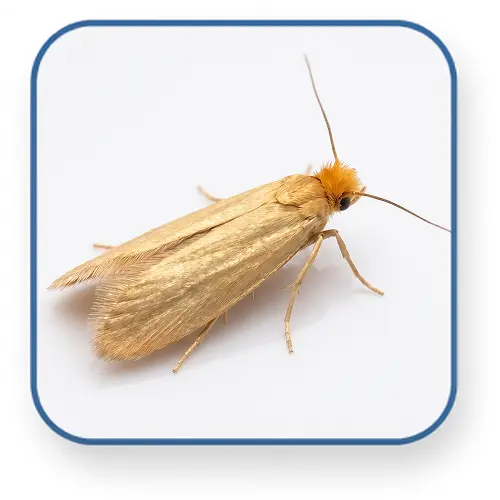
- Different but sometimes confused.
- Moths leave silken tubes or webbing.
- Carpet beetles don’t produce webbing.
- Different treatment approach.
Silverfish
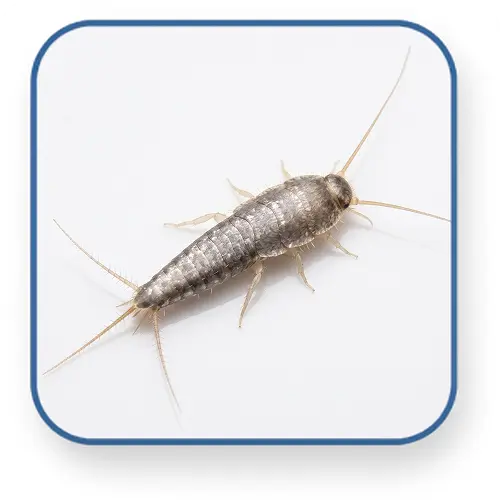
- Different body shape.
- Different damage pattern (grazing surface rather than holes).
- Different habitat preferences.
Fleas
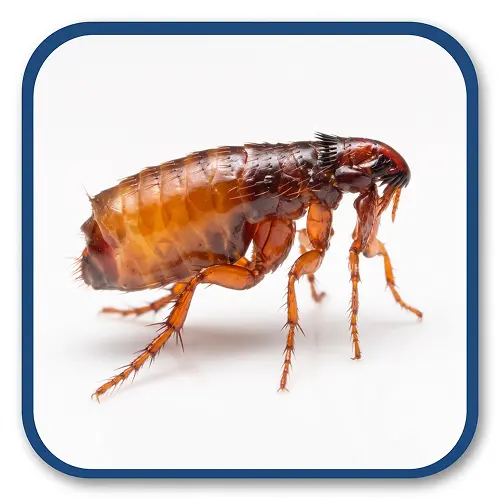
- Completely different issue.
- Fleas jump; carpet beetle larvae crawl slowly.
Other Beetles
- Drugstore beetles, cigarette beetles, warehouse beetles.
- Related species with overlapping food preferences.
- Similar treatment approach.
Photo identification helps distinguish species. Treatment approach can differ.
Inspection Strategy
Whole-Home Inspection
Don’t focus on just where damage appeared:
- Every room with wool items.
- Storage areas for seasonal items.
- Under furniture (rarely moved items).
- Closet floors and corners.
- Along baseboards.
- Attics and basements with stored textiles.
Specific Check Points
- Wall-floor junction throughout carpeted areas.
- Under beds and heavy furniture.
- Closet corners.
- Storage boxes with textiles.
- Upholstered furniture tufting.
- Pet bedding areas.
Stored Items
- Wool sweaters and coats.
- Wool blankets.
- Area rugs in storage.
- Taxidermy.
- Leather items with natural fiber accents.
- Feather and down items.
Undisturbed Areas
- Dead insects in basements or attics.
- Rodent nests (if any) can harbor carpet beetle populations.
- Behind large appliances.
- Under heavy stored items.
Documentation
- Photos of damage.
- Shed skin locations.
- Extent of infestation.
- Pattern of distribution.
Treatment Approach
Cleaning and Vacuuming
The single highest-value intervention:
- Thorough vacuuming of all affected and adjacent areas.
- Include baseboards and corners.
- Under and behind furniture.
- Along carpet edges.
- HEPA filtration preferred to prevent aerosolization.
- Empty vacuum contents to outdoor trash immediately.
Laundry and Cleaning
- Wash washable textiles on hot cycle.
- Dry clean non-washables.
- Dispose of heavily damaged items that aren’t worth cleaning.
Heat Treatment
For valuable items:
- Dryer on high heat for 30+ minutes kills all life stages.
- Steam cleaning of carpets (penetrates to larvae).
- Professional heat treatment for high-value items.
Cold Treatment
Freezing kills all life stages:
- Sealed bag in freezer at 0°F.
- Minimum 4 days, 2 weeks preferred for valuable items.
- Particularly useful for items that can’t tolerate heat.
Insecticide Treatment
For significant infestations, professional treatment:
- Residual products along baseboards and carpet edges.
- Crack and crevice applications.
- Targeted rather than broadcast.
- Appropriate products for indoor textile treatment.
Closet and Storage Treatment
- Empty storage areas.
- Vacuum and clean thoroughly.
- Treat cracks and crevices.
- Replace with sealed storage.
Storage Improvements
Sealed Containers
- Wool items in sealed plastic containers rather than cardboard.
- Cedar chests not fully reliable (cedar oil dissipates over time).
- Plastic bags for short-term.
- Archival containers for valuable items.
Climate-Controlled Storage
- Attic and garage storage often problematic (temperature fluctuations, humidity).
- Interior conditioned storage preferred.
- If storing in attic or garage, sealed containers essential.
Regular Inspection
- Check stored items quarterly.
- Look for any evidence of activity.
- Rotate stored items periodically.
Dry Cleaning Before Storage
- Clean wool items before long-term storage.
- Body oils and soil attract larvae.
- Clean items stored in sealed containers are much less vulnerable.
Mothballs
- Traditional but with concerns.
- Naphthalene or paradichlorobenzene toxic to humans and pets.
- Strong odor.
- Effectiveness limited by ventilation.
- Not recommended for most residential storage.
Cedar
- Aromatic cedar oils repel carpet beetles when fresh.
- Dissipates over months to years.
- Cedar blocks need replacement or refreshing.
- Useful but not fully reliable alone.
Reducing Carpet Beetle Pressure
Cleaning Regimen
- Regular vacuuming prevents dust and debris accumulation.
- Under-furniture areas on schedule.
- Pet hair management.
- Flower and plant material management (adults feed on pollen).
Remove Food Sources
- Address dead insects in basements and attics.
- Remove bird nests in structural areas.
- Deal with rodent issues that produce dead animals.
- Clean up lint accumulations.
Pet Hair Management
- Regular grooming.
- Address pet hair accumulations under furniture.
- Pet beds and upholstery cleaning.
Wool-Item Management
- Inspect wool items periodically.
- Clean and store appropriately.
- Consider reducing wool in high-risk areas.
- Synthetic alternatives in vulnerable applications.
Flowers and Plants
- Adults feed on pollen outdoors.
- Cut flowers can introduce adults indoors.
- Inspect cut flowers before bringing in.
- Manage pollen sources near windows.
Specific Items Protection
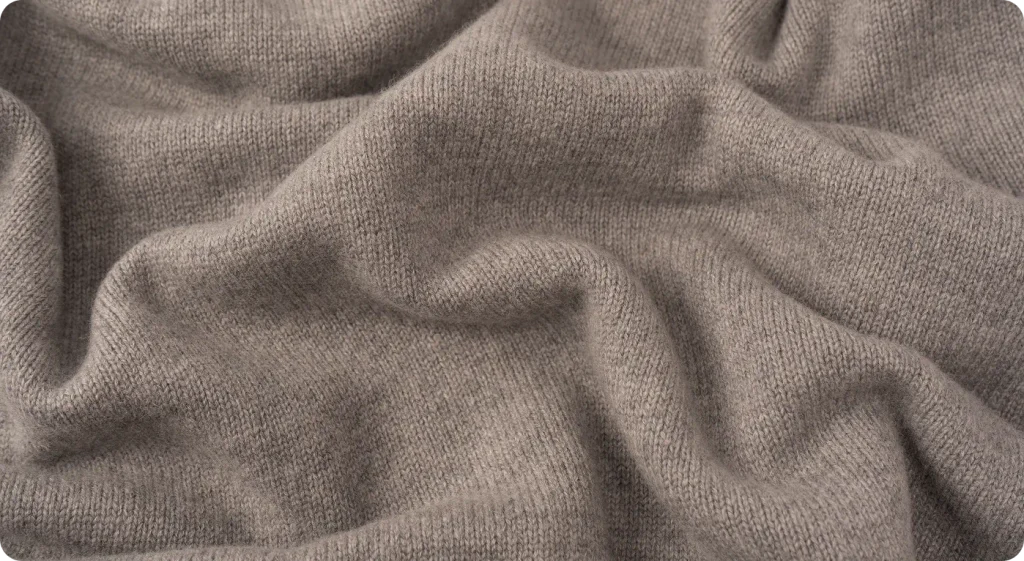
Wool Carpet
- Regular vacuuming essential.
- Periodic professional cleaning.
- Treatment around carpet edges if activity found.
- Consider replacement in severely damaged areas.
Wool Area Rugs
- Regular rotation to prevent concentrated damage.
- Storage between seasons for ornamental pieces.
- Professional cleaning annually.
Wool Clothing
- Clean before long-term storage.
- Sealed containers for off-season storage.
- Regular wear prevents long-term undisturbed conditions.
Oriental and Antique Rugs
- Valuable items warrant professional attention.
- Climate-controlled storage.
- Periodic professional assessment.
- Restoration for damaged pieces.
Taxidermy and Natural History Specimens
- Particularly vulnerable to carpet beetles.
- Specialized storage.
- Professional conservation consultation.
Upholstered Furniture
- Regular vacuuming.
- Professional cleaning periodically.
- Address any visible damage promptly.
- Consider reupholstering with less vulnerable materials.
Professional Treatment
When to Call
- Significant damage discovered.
- Multiple rooms affected.
- Valuable items at risk.
- DIY approaches not controlling.
- Repeated recurrence.
What Professional Treatment Includes
- Thorough inspection.
- Species identification.
- Targeted treatment of affected areas.
- Storage area treatment.
- Follow-up monitoring.
- Recommendations for ongoing prevention.
Treatment Timeline
- Initial intensive treatment.
- Follow-up at appropriate intervals.
- Ongoing monitoring through year.
- May require months for complete resolution.
Integration with Cleaning
- Professional carpet cleaning often valuable.
- Coordinated with pest treatment.
- Restoration of affected carpet areas.
After Treatment Prevention

Vacuum Schedule
- Weekly minimum.
- Include difficult areas regularly.
- HEPA vacuum preferred.
Storage Protocols
- Sealed containers for seasonal textiles.
- Regular inspection.
- Clean before storing.
Monitoring
- Sticky traps in storage areas.
- Pheromone traps for early detection.
- Annual inspection of wool items.
Address Contributing Conditions
- Dead insect accumulation.
- Moisture issues.
- Structural issues producing harborage.
San Diego vs. Sacramento
In San Diego, mild climate produces year-round carpet beetle pressure. Outdoor-to-indoor movement occurs through more of the year. Beach-area and coastal properties with humidity and abundant outdoor vegetation see more pressure. Year-round treatment often appropriate.
In Sacramento, seasonal patterns more pronounced with spring adult emergence. Winter is peak damage-visibility time as stored textiles are accessed. Older homes with more wool textiles see heavier pressure. Foothill properties with abundant outdoor flowering plants experience more adult introduction.
When Professional Work Is Worth It
For early-stage damage in limited areas, thorough cleaning and DIY measures handle the issue. Professional work earns its keep when damage is significant, when multiple rooms are affected, when valuable items are at risk, when storage areas require comprehensive attention, or when DIY approaches haven’t resolved the issue.
The Tri-Zone™ Defense System addresses outdoor conditions at the fence line, yard, and foundation that support adult carpet beetle populations and affect indoor entry. Simple Pest handles carpet beetle work across San Diego and Sacramento with inspection, targeted treatment, and follow-up that addresses both current damage and ongoing prevention.