Brown marmorated stink bugs and their relatives don’t damage homes. They don’t bite, don’t contaminate food the way other pests do, and don’t reproduce indoors. But they show up in October and November in numbers large enough to overwhelm homeowners — gathering on sun-warmed exterior walls, creeping into wall voids and attics, and then emerging inside the home throughout winter and early spring.
The sealing work that addresses stink bugs is largely the same sealing work that addresses rodents, spiders, and other cold-weather intruders. What makes stink bugs distinctive is the sheer volume — hundreds or thousands of individuals actively seeking shelter during a narrow autumn window. Late October is the last chance to address entry before the main arrival.
At Simple Pest we handle stink bug work across San Diego and Sacramento. Here’s what the fall invasion actually looks like and what works to reduce it.
What Stink Bugs Actually Are
Common Species in California
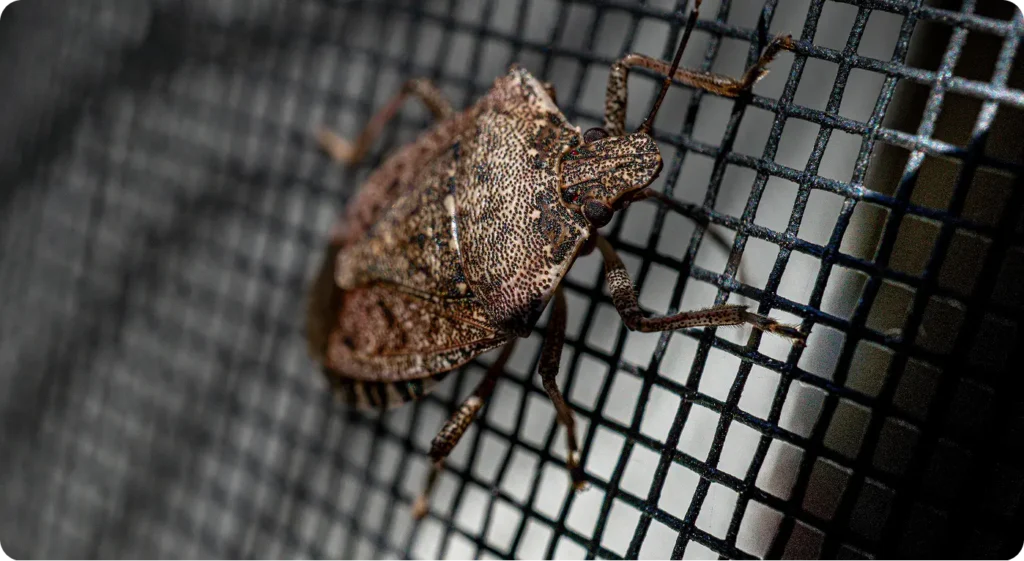
Brown Marmorated Stink Bug (Halyomorpha halys)
- Invasive species in California (originally from East Asia).
- Expanding range in California since first detection.
- Mottled brown, shield-shaped body.
- Primary fall home invasion species.
- Agricultural pest also (fruit trees, vegetables).
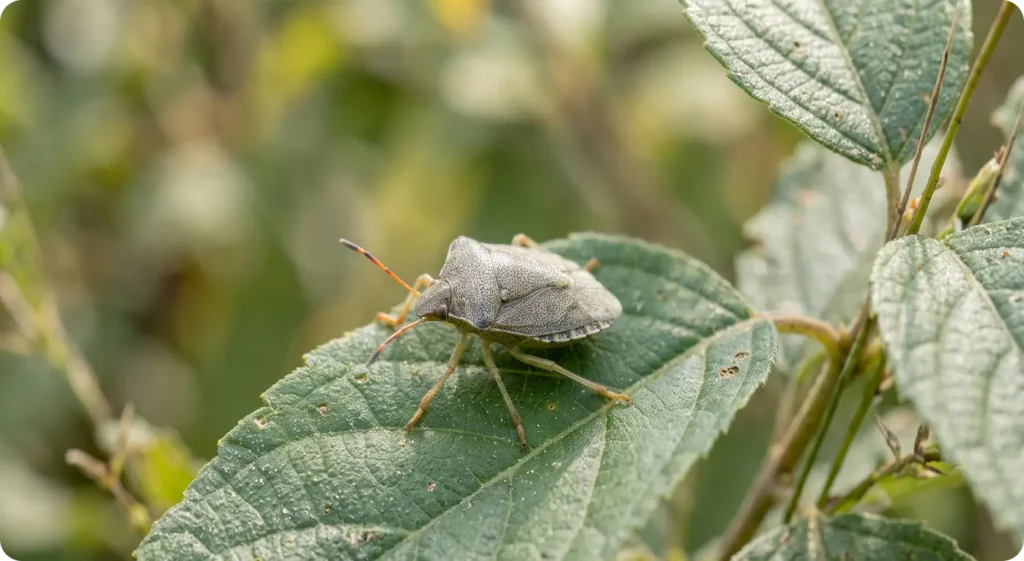
Consperse Stink Bug
- Native California species.
- Less dramatic home invasion behavior.
- Primarily agricultural pest.
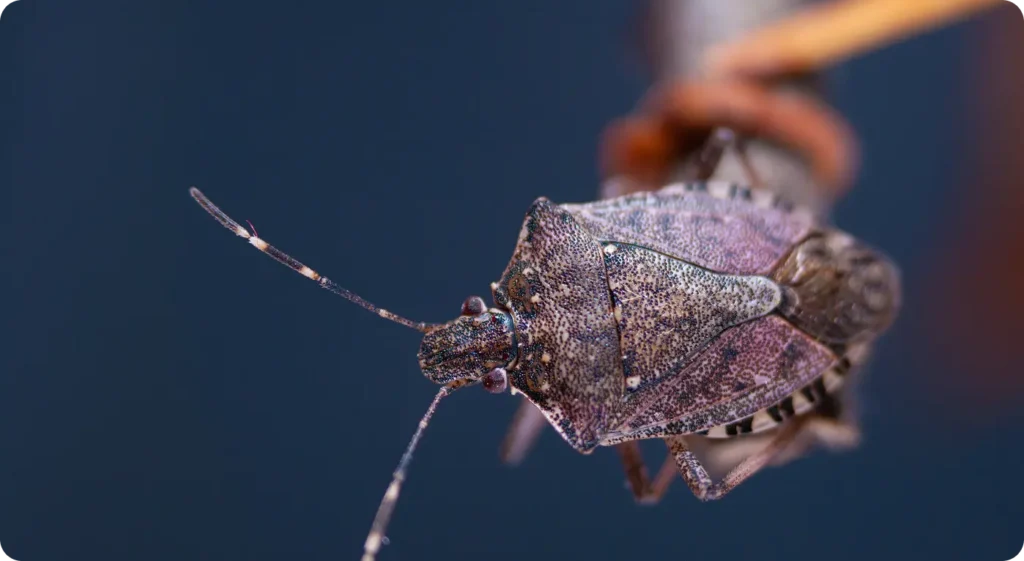
Rough Stink Bug
- Another native species.
- Occasional home invader.
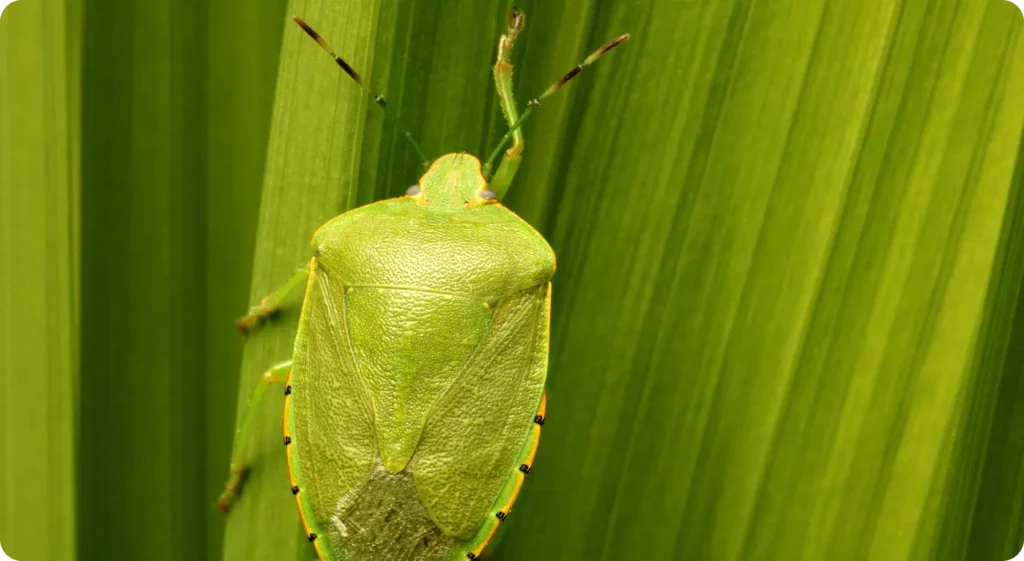
Green Stink Bugs
- Agricultural focus.
- Less home invasion activity.
Identification Characteristics
- Shield-shaped bodies (pentagonal).
- 1/2 to 3/4 inch in adults.
- Brown marmorated: mottled brown and cream pattern, alternating dark and light bands on antennae.
- Distinctive shield shape distinguishes from most other household pests.
Defensive Odor
- Produce pungent odor when disturbed, crushed, or killed.
- Gives the family its name (Pentatomidae, the stink bug family).
- Most noticeable indoors when insects are handled or vacuumed.
Why They Invade Homes in Fall
Overwintering Behavior
- Adults seek sheltered locations for winter dormancy.
- Outdoor overwintering sites: under bark, in leaf litter, in rock crevices.
- Structural overwintering sites: attics, wall voids, garages, sheds.
- Homes provide stable temperatures and protection.
Triggering Conditions
- Shorter day length in late September.
- Temperature drops below 50°F at night.
- First strong temperature drops of fall.
Assembly Behavior
- Pheromone-mediated aggregation.
- One stink bug finds a site, more follow.
- Numbers build quickly once aggregation begins.
Sun-Warmed Walls
- South and west-facing walls warmed by fall sun.
- Stink bugs gather on warm surfaces.
- Enter through any available gap.
Timing in California
- Late September through November in most regions.
- Can extend into December in mild areas.
- Invasion behavior peaks in weeks-long window.
How They Enter Structures
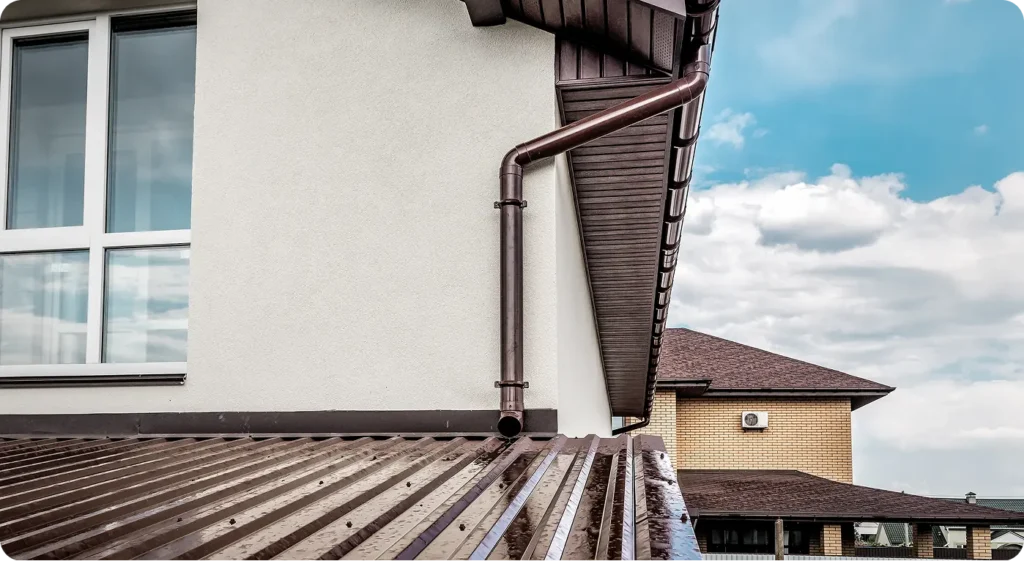
Primary Entry Routes
- Gaps around windows (particularly upper floors).
- Window AC unit edges.
- Gaps in siding.
- Vents without adequate screening.
- Soffit gaps.
- Chimney caps missing or damaged.
- Roof-level utility penetrations.
- Garage door seals.
- Door weatherstripping gaps.
Preferred Entry Zones
- Upper parts of homes (they climb walls).
- Roof-wall junctions.
- Dormer intersections.
- Chimney exteriors.
- Attic vent areas.
Interior Distribution Once Inside
- Wall voids.
- Attic spaces.
- Basement and crawl space (less commonly).
- Drop ceilings.
- Behind siding.
What Happens Over Winter
Dormancy
- Adults enter diapause (winter dormancy).
- Metabolic activity reduced.
- Can remain inactive for months.
- Don’t feed or reproduce during dormancy.
Warm-Period Activity
- Warm winter days produce some activity.
- Bugs may emerge into interior living spaces.
- Slow movement and disorientation.
- Homeowners notice individual bugs during warm spells.
Spring Emergence
- Temperature rising triggers emergence.
- Heavy emergence in February, March, and April.
- Bugs move from wall voids and attics into interior rooms.
- Seek exit to return outdoors.
The Indoor Problem
- Individual bugs found on windows, walls, ceilings.
- Attempting to exit the home.
- Produce odor when handled.
- Don’t damage the home but become persistent nuisance.
Why Sealing Works (and Doesn’t)
What Sealing Accomplishes
- Reduces number of stink bugs that enter.
- Limits population building inside.
- Reduces spring emergence into living spaces.
What Sealing Can’t Do
- Completely prevent entry in heavily pressured years.
- Eliminate all overwintering insects inside existing population.
- Replace need for ongoing monitoring.
Why Perfect Sealing Is Impossible
- Homes have many small gaps.
- Stink bugs use very small openings.
- New gaps develop through settling and weather.
- Cost-benefit favors substantial but not perfect sealing.
Focus Areas That Pay Off Most
- Roof line and soffit gaps.
- Window and door seals.
- Utility penetrations.
- Vent screens.
- Attic access.
Pre-Winter Sealing Priorities
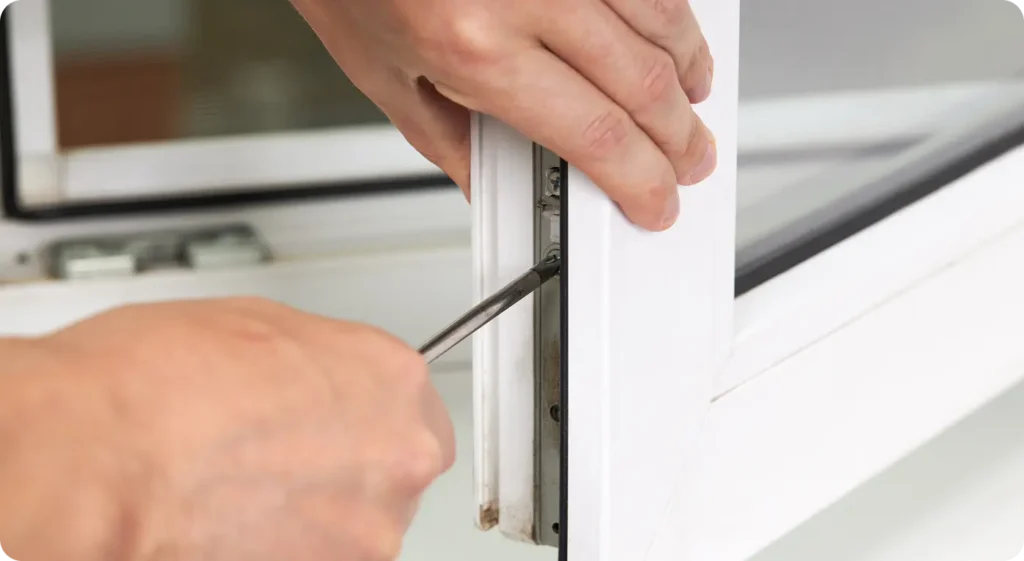
Exterior Assessment
Walk the exterior with eyes toward small gaps:
- Window frames and sashes.
- Door weatherstripping.
- Siding edges and corners.
- Flashing around chimneys and roof penetrations.
- Eave and soffit junctions.
- Vent screens (dryer, bathroom, kitchen, attic).
- Garage door seals.
Interior Assessment
- Attic vents from inside.
- Wall-ceiling junctions.
- Plumbing and electrical penetrations.
- Fireplace seals.
Sealing Materials
- Caulk (silicone or polyurethane) for small gaps.
- Expandable foam for medium gaps.
- Hardware cloth and caulk for screen repair.
- Door sweeps and weatherstripping for doors.
- Flashing for larger architectural gaps.
Priority Order
- Visible large gaps first.
- Vent screens second.
- Weatherstripping and door sweeps third.
- Smaller detail sealing after primary work.
Exterior Treatment
Residual Insecticide
Professional residual treatment on exterior walls during peak invasion period:
- Targets stink bugs before they enter walls.
- Best timing: mid-September through early November in California.
- Multiple applications through peak window.
- Focus on sun-warmed walls where aggregation occurs.
Application Zones
- Siding (particularly south and west-facing).
- Window and door frames.
- Eaves and soffits.
- Foundation and lower wall areas.
Product Selection
- Products labeled for brown marmorated stink bug.
- Appropriate for exterior residential application.
- Effective residual length.
Limitations
- Doesn’t address bugs already inside walls.
- Requires re-application through season.
- Weather affects effectiveness.
Interior Management
Don’t Spray Indoors
- Stink bugs don’t breed indoors.
- Interior insecticide doesn’t reduce next year’s population.
- Kills current individuals but creates dead-bug accumulation.
- Vacuuming is better indoor strategy.
Vacuum Management
- Use bagged vacuum or remove and empty canister immediately.
- Stink bugs produce odor when crushed or disturbed.
- Dispose of collected bugs outdoors.
- Consider dedicated shop-vac for stink bug work.
Physical Capture
- Paper cup and cardboard method: trap against window or wall.
- Slide cardboard to enclose bug.
- Release outdoors (if you want to) or kill humanely.
Water and Soap Trap
- Bowl with soapy water positioned under active area.
- Stink bugs drown when they fall in.
- Works with overhead light trapping behavior.
Sticky Traps
- Pheromone-baited stink bug traps available commercially.
- Can reduce population in specific areas.
- More useful for monitoring than elimination.
Structural Considerations
Homes with High Stink Bug Activity
Some homes have distinctive features that amplify stink bug issues:
- Historic or older construction with many gaps.
- Complex rooflines with multiple junction points.
- Cedar shake siding or other varied surfaces.
- Large south-facing wall expanses.
- Proximity to woodlands or orchards.
Newer Construction
Generally less stink bug pressure due to tighter construction, but not immune. Still requires attention to sealing.
Agricultural Adjacency
Properties near fruit orchards, vegetable crops, or ornamental agriculture experience heavier pressure. Outdoor populations larger and more sustained.
Timing the Response
October Window
Late October is the last widely effective time to:
- Complete exterior sealing.
- Apply residual treatment.
- Address remaining gaps before peak entry.
November
Invasion typically ongoing in California. Treatment still useful but fewer days of pre-entry window.
December and January
- Invasion window mostly closed.
- Remaining bugs already inside.
- Interior management only.
Spring Emergence Preparation
- Address interior emergence as it occurs.
- Vacuum accumulations.
- Plan fall sealing for next year if this year was heavy.
Agricultural and Landscape Considerations
Reducing Local Populations
- Fruit trees harboring stink bugs.
- Ornamental plantings with fruit (maples, sweet gum, tree of heaven).
- Vegetable gardens with fall produce still in ground.
- Manage or remove attractants in heavily affected areas.
Trap Crops
Some agricultural situations use trap crops to concentrate stink bugs for treatment. Less applicable to residential, but relevant for properties with gardens.
Integrated Pest Management
Commercial orchards and farms have coordinated programs. Residential properties borrow practices: monitoring, targeted treatment, and timing.
Common Mistakes
Waiting Until Bugs Appear Indoors
By the time interior bugs are visible, entry has already occurred. Sealing before invasion window is the high-value work.
Spraying Indoor Populations
Doesn’t reduce next year’s population. Focus on exclusion and exterior treatment.
Crushing Indoor Stink Bugs
Produces odor. Vacuum or capture instead.
Ignoring Upper Floor Entry
Most entry is at upper levels. Ground-level focus misses the main entry zones.
Incomplete Sealing
Addressing some gaps but not others leaves entry routes. Systematic approach necessary.
San Diego vs. Sacramento
In San Diego, brown marmorated stink bug populations are established but less dramatic than in some California regions. Inland areas with cooler winters have more pronounced fall invasion behavior. Coastal areas with mild winters see less dramatic aggregation. Ornamental vegetation drives population pressure.
In Sacramento, brown marmorated stink bug populations are substantial and fall invasion is pronounced. Central Valley agricultural adjacency contributes. Older neighborhoods with complex architecture experience heavier indoor emergence in spring. Foothill properties see heavy populations.
When Professional Work Is Worth It
For motivated homeowners, DIY sealing handles much of the work. Professional work earns its keep when exterior residual treatment is wanted, when complex architecture makes systematic sealing difficult, when heavy agricultural pressure overwhelms DIY exclusion, when roof-level work is needed, or when coordinating with broader fall pest management makes sense.
The Tri-Zone™ Defense System addresses stink bug pressure at the fence line, yard, and foundation with residual treatments timed to invasion periods. Simple Pest Management handles stink bug work across San Diego and Sacramento with fall-timed exterior treatment and exclusion consultation that reduces both current-season indoor bugs and next year’s population.