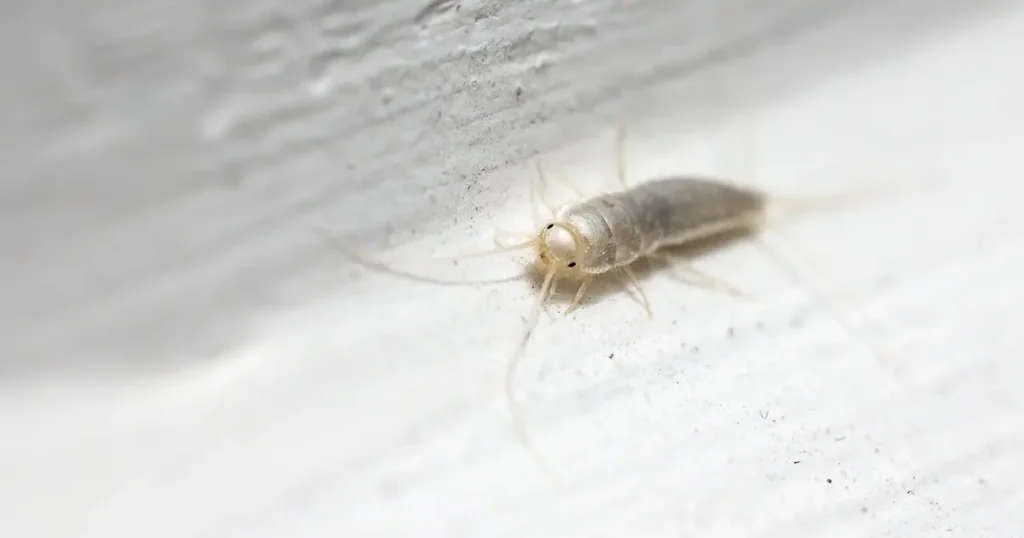
Basement silverfish don’t respond to spray treatments the way most people expect. You can treat surfaces, kill visible silverfish, and see the same population back within weeks. The reason is simple: silverfish are a symptom of basement humidity, and humidity is the actual problem to solve. Fix the moisture and the silverfish go away. Leave the moisture alone and no treatment holds.
The basement-specific work isn’t dramatic. It’s dehumidifiers, ventilation, grading and drainage improvements, and selective treatment. Done right, basements become uncomfortable for silverfish and the population drops off naturally. Done wrong, pest control becomes a recurring expense that doesn’t resolve the underlying issue.
At Simple Pest we handle silverfish work across San Diego and Sacramento, where basements are less common than in many regions but do appear in older properties and foothill communities. Here’s the approach that actually works.
Why Basements Favor Silverfish
Humidity
Silverfish thrive at 75%+ relative humidity. Most basements hit or exceed this naturally:
- Groundwater proximity.
- Cool concrete surfaces produce condensation.
- Poor ventilation traps moisture.
- Finished basements with HVAC may have lower humidity but often still above optimal levels.
Temperature
- Cool, stable temperatures.
- Moderate range year-round.
- Comfortable for silverfish activity and reproduction.
Darkness
- Limited light.
- Undisturbed storage areas.
- Ideal silverfish habitat.
Food Sources
- Cardboard boxes.
- Stored paper.
- Book collections.
- Photo albums and archives.
- Fabric and clothing stored in basement.
- Starchy materials (wallpaper, book bindings).
Hiding Places
- Storage clutter.
- Cracks in walls and floors.
- Behind shelving and stored items.
- In building materials (drywall, insulation).
Moisture Sources in Basements
Groundwater Intrusion
- Below-grade walls absorbing moisture.
- Hydrostatic pressure pushing water through minor cracks.
- Efflorescence (white mineral deposits) indicating water movement.
- Particularly common in older block or stone foundations.
Surface Water Infiltration
- Poor grading directing water toward foundation.
- Downspouts discharging near foundation.
- Window well issues.
- Exterior areaway drainage problems.
Condensation
- Cool basement walls meeting warm humid air.
- Summer condensation particularly significant.
- Cold water pipes with condensation.
- HVAC equipment condensation issues.
Plumbing Leaks
- Supply line drips.
- Drain line leaks.
- Water heater issues.
- Washing machine connection problems.
- Often slow and undetected.
High Indoor Humidity
- From daily activities (showering, cooking, laundry).
- Inadequate ventilation allowing humidity to concentrate in basement.
- Dryer venting improperly routed.
Assessing the Moisture Situation
Measure Humidity
- Hygrometer in basement space.
- Readings over multiple days and seasons.
- Target: under 60% relative humidity for silverfish control.
- Under 50% ideal.
Visual Assessment
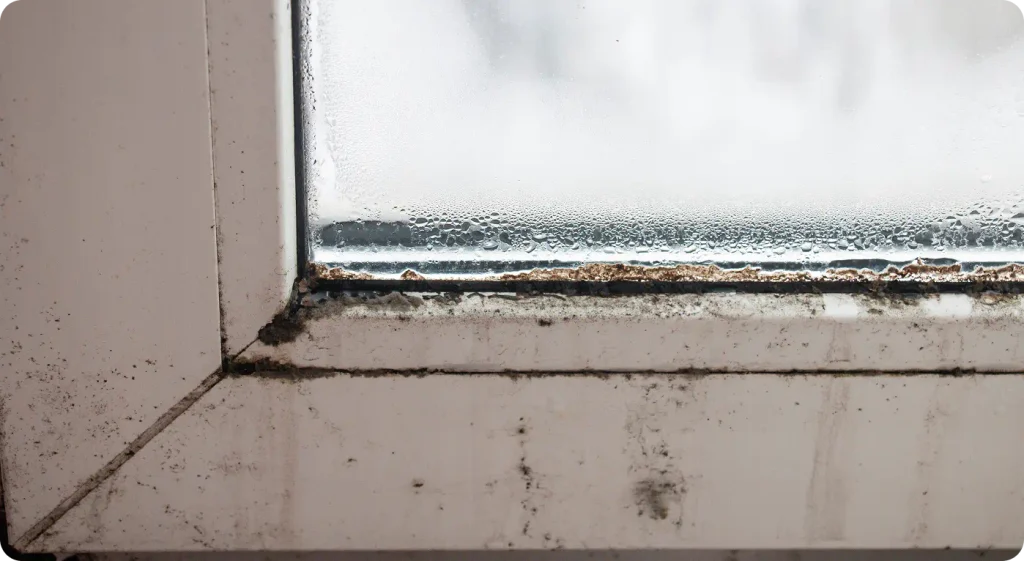
- Staining on walls or floors.
- Efflorescence.
- Condensation visible on pipes or walls.
- Mold growth.
- Musty odor.
- Rust on metal surfaces.
- Peeling paint or finishes.
Professional Assessment
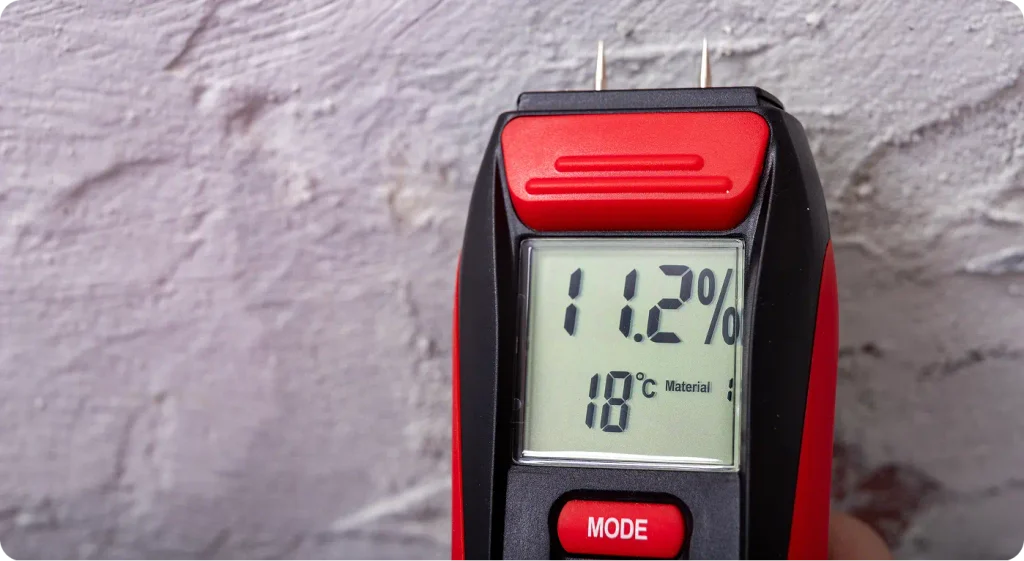
- Moisture meter readings.
- Exterior grading evaluation.
- Drainage assessment.
- Structural assessment for significant intrusion.
Seasonal Patterns
- Summer humidity typically highest.
- After rain events, check for infiltration.
- Winter condensation on warm water pipes.
- Track patterns over time.
The Moisture Fix
Dehumidification
Most basements benefit from dedicated dehumidifier:
- Sized appropriately for square footage (capacity in pints per 24 hours).
- Automatic drain if possible (avoid manual emptying).
- Running continuously during humid seasons.
- Target 45-55% relative humidity.
Ventilation
- Exhaust fan to exterior if basement has exterior wall access.
- Transfer air circulation to conditioned spaces above.
- Dehumidifier + conditioned air both useful.
Exterior Water Management
- Grading directing water away from foundation.
- Downspouts discharging 5+ feet from foundation.
- Window well drainage maintained.
- French drains for persistent issues.
- Professional waterproofing for significant intrusion.
Interior Waterproofing
- Interior drainage systems for persistent ground water.
- Sump pump if appropriate.
- Vapor barrier on foundation walls.
- Professional installation for significant projects.
Plumbing Repair
- Address all leaks promptly.
- Insulate cold water pipes to reduce condensation.
- Maintain plumbing equipment (water heater, washer connections).
Appliance Venting
- Dryer vented to exterior, not into basement.
- Proper exhaust on other appliances.
- Verify vent paths aren’t damaged or blocked.
Clean-Up and Storage Reorganization
Remove Cardboard
- Cardboard storage boxes are ideal silverfish habitat.
- Replace with sealed plastic bins.
- Process mail and shipping boxes promptly.
Address Stored Materials
- Paper goods in archival containers.
- Books on shelving with ventilation space, not in boxes.
- Fabric in sealed plastic rather than cardboard.
- Review what’s truly worth storing.
Reduce Clutter
- Less material means less harborage.
- Easier inspection and monitoring.
- Faster moisture drying on surfaces.
Elevate Stored Items
- Shelving rather than floor storage.
- 4+ inches off floor minimum.
- Prevents moisture wicking from floor.
Clean Thoroughly
- Vacuum all surfaces.
- Address dust and debris that provides food substrate.
- Address any existing fungal growth on surfaces.
Targeted Treatment
With moisture under control, treatment addresses residual population:
Diatomaceous Earth
- Food-grade DE in cracks, along baseboards, behind storage.
- Effective against silverfish.
- Safe in non-food storage areas.
- Reapply after cleaning or moisture events.
Boric Acid
- In wall voids and cracks.
- Effective but slower-acting than DE.
- Keep out of reach of children and pets.
Targeted Residual Sprays
- Professional application in crack and crevice treatment.
- Along wall-floor junctions.
- Around potential harborage.
- Avoid broadcast application.
Monitoring
- Sticky traps along walls.
- In closet and storage corners.
- Track population changes over time.
Specific Basement Scenarios
Finished Basements
- Moisture management still essential.
- Dehumidifier.
- Address any visible moisture issues.
- Treatment focuses on utility areas and storage rooms.
Unfinished Basements
- Direct treatment of wall and floor surfaces.
- Storage area focus.
- Often higher humidity without active climate control.
Cellars and Root Cellars
- Often intentionally humid for food storage.
- Silverfish accept conditions.
- Management limited if moisture is intended.
- Storage protection for any non-food items.
Crawl Spaces
- Many characteristics of basements.
- Lower ceilings make treatment more difficult.
- Vapor barrier installation critical.
- Ventilation management.
Older Homes
- Stone or block foundations allow more moisture movement.
- Historical building characteristics.
- Professional assessment often valuable.
Newer Homes with Basements
- Engineered moisture systems (sump, drain tile).
- Verify systems functioning correctly.
- Newer basements shouldn’t have chronic moisture if systems are working.
Book and Paper Collections in Basements

If basements hold books, archives, or paper collections:
Ideally, Relocate
- Basements aren’t ideal for paper.
- Conditioned, humidity-controlled indoor spaces preferred.
- Accept the storage change for preservation value.
If Basement Storage Necessary
- Tight humidity control (45-55%).
- Sealed archival containers.
- Elevated storage.
- Regular inspection.
- Temperature moderation.
Already-Damaged Items
- Freeze treatment for silverfish elimination (sealed bag, 0°F for 2 weeks).
- Clean after freezing.
- Evaluate each item for preservation value and condition.
Prevention After Initial Remediation
Ongoing Humidity Monitoring
- Hygrometer readings periodically.
- Seasonal checks.
- Address any rising trends.
Dehumidifier Maintenance
- Empty or verify drainage regularly.
- Clean coils and filters.
- Replace as needed.
Seasonal Inspection
- Check for new moisture issues.
- Verify ventilation functioning.
- Check stored items for any issues.
Pest Monitoring
- Sticky traps in persistent problem areas.
- Visual inspection during seasonal storage changes.
- Address any rebuilding population promptly.
When Moisture Issues Can’t Be Fully Resolved
Relocate Vulnerable Items
- Move stored materials out of chronically moist areas.
- Store in conditioned spaces upstairs.
- Accept basement as unsuitable for vulnerable storage.
Ongoing Treatment
- Regular pest service in persistent moisture situations.
- Maintenance approach rather than elimination.
- Professional assessment to identify any unresolved issues.
Structural Solutions
- Exterior waterproofing for significant groundwater issues.
- Major projects requiring contractor coordination.
- Significant investment but sometimes the right answer.
California Basement Characteristics
Not Common Statewide
- Most California construction doesn’t include full basements.
- Climate and slab-on-grade construction dominant.
- Where basements exist, often older homes or specific regions.
Older Urban Neighborhoods
- Craftsman, Victorian, and early-20th-century homes with partial or full basements.
- Stone or brick foundations.
- Moisture management typically needed.
Foothill and Mountain Properties
- More basements in hilly terrain.
- Slope-related moisture considerations.
- Varied construction styles.
New Custom Construction
- Some newer homes with basements in various regions.
- Engineered moisture control typically.
- Issues often from construction problems rather than inherent basement issues.
San Diego vs. Sacramento
In San Diego, basements are uncommon. Where present, they’re often older homes in Hillcrest, North Park, or similar early-development neighborhoods. Moisture issues typically relate to groundwater in specific zones or older construction lacking modern waterproofing.
In Sacramento, basements are more common in older central neighborhoods (East Sacramento, Land Park, Midtown). High seasonal groundwater in valley locations can produce moisture issues. Summer humidity less extreme than some regions but still enough to support silverfish. Foothill properties have varied basement situations.
When Professional Work Is Worth It
For moderate basement silverfish issues in manageable moisture conditions, homeowner dehumidification and treatment handle the problem. Professional work earns its keep when moisture sources are structural and require diagnosis, when chronic issues persist despite efforts, when valuable collections require protection, when waterproofing coordination is needed, or when integration with broader pest management serves the property.
The Tri-Zone™ Defense System addresses exterior moisture conditions at the fence line, yard, and foundation — including grading, drainage, and perimeter issues that drive silverfish pressure indoors. Simple Pest handles silverfish work across San Diego and Sacramento in coordination with moisture remediation, because silverfish return as soon as moisture returns regardless of treatment applied.