
A restaurant health inspection has two categories of pest-related findings: evidence of current pest activity (live pests, droppings, damaged packaging) and conditions that support pest activity (sanitation, structural issues, storage problems). The first category produces immediate major violations. The second produces repeat-offense patterns that escalate over time.
Both categories have clear standards. Operations that meet the standards pass inspections consistently. Operations that treat pest control as reactive incur recurring findings, citations, and eventually the specific kind of customer-facing problems that damage brands permanently.
At Simple Pest, we work with commercial food service clients across San Diego and Sacramento. Here’s what inspectors actually look for and what compliance looks like operationally.
The Regulatory Framework
California Retail Food Code (Cal Code)
California’s Cal Code (Chapter 5 of the Health and Safety Code) governs food safety in retail food operations. Pest control provisions include:
- Requirement to protect food, utensils, and equipment from contamination by pests.
- Requirement to exclude pests from food facilities.
- Requirement to eliminate pests found.
- Requirement to store food and equipment in ways that prevent pest contamination.
- Requirement that pest control measures comply with applicable law.
County Environmental Health Departments
County-level environmental health departments conduct inspections and enforce Cal Code locally. San Diego County Environmental Health and Sacramento County Environmental Management Department operate similar programs.
FDA Food Code Influence
Cal Code aligns substantially with FDA Food Code model regulations. Many requirements are consistent nationwide.
HACCP and Food Safety Management Systems
Some operations have HACCP plans or similar food safety management systems that include pest management provisions. Certified operations have documented pest management as part of the broader program.
What Inspectors Actually Look For

Evidence of Pest Activity
- Live pests (rodents, cockroaches, flies, stored product pests).
- Dead pests on premises.
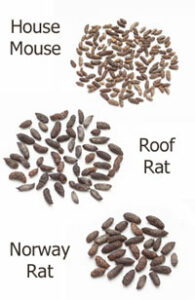
- Droppings in food storage, prep, or service areas.
- Urine stains.
- Gnawing damage on food packaging.
- Nesting materials.
- Fecal staining or smear marks.
- Live or dead pests in food containers or equipment.
Any of these typically results in immediate major violation and sometimes closure.
Conditions Supporting Pests
- Food debris on floors, walls, or equipment.
- Grease accumulation in kitchen or exterior.
- Standing water or moisture.
- Unsealed openings in walls, floors, or ceilings.
- Damaged door sweeps or window screens.
- Accumulation of unused equipment or materials providing harborage.
- Improper food storage (items on floor, open containers).
- Neglected drain lines or grease traps.
- Poor waste management.
These findings don’t always result in immediate closure but accumulate into repeat-offender status with escalating consequences.
Pest Control Documentation
- Service reports for recent pest control visits.
- Pest logbook showing sightings and corrective actions.
- Licensed pest control operator information.
- Product labels and SDS for products in use on premises.
- Evidence of responsive action to findings.
Missing or inadequate documentation is itself a finding in many jurisdictions.
The Compliance Standards
Sanitation

Cleaning Schedule
Documented cleaning schedules for:
- Daily cleaning tasks.
- Weekly deep cleaning.
- Monthly or periodic heavy cleaning.
- Assigned responsibility.
Kitchen Cleaning
- All food contact surfaces cleaned and sanitized.
- Equipment cleaned behind and underneath.
- Floor drains cleaned regularly.
- Grease accumulation addressed.
- Hood and ventilation cleaning on appropriate schedule.
- Wall-floor junctions cleaned.
Dish Area
- Dish machine operation verified (temperature, sanitizer concentration).
- Drain cleaning.
- Cleaning of dish storage shelving.
Storage Areas
- Dry storage organized with items off the floor.
- Cooler and freezer interiors cleaned regularly.
- Shelving cleaned under and behind stored items.
- FIFO rotation with cleaning as items are rotated.
Service Areas
- Counter and beverage station cleaning.
- Ice machine cleaning and maintenance.
- Condiment station cleaning.
Exterior
- Dumpster area cleaned and organized.
- Grease containment maintained.
- Delivery area cleaning.
Structural Standards
Exclusion
- Tight-fitting doors with intact weather stripping and door sweeps.
- Intact window screens.
- Sealed utility penetrations.
- No gaps between walls and floors, or walls and ceilings.
- Sealed penetrations around pipes and electrical runs.
- Tight-fitting delivery doors.
Building Integrity
- No damaged drywall or ceiling tiles.
- No gaps where wall components meet.
- Intact floor surfaces without cracks.
- Proper coved base at wall-floor junctions.
Storage and Prep Areas

- Shelving at appropriate height off floor (6 inches minimum typical).
- No items stored in ways that prevent cleaning.
- No unused or broken equipment stored in food areas.
Pest Management Program
Licensed Provider
- Contract with licensed pest control operator.
- Regular scheduled service (weekly, bi-weekly, or monthly depending on operation).
- Responsive service for between-visit issues.
IPM Approach
- Integrated pest management combining sanitation, exclusion, monitoring, and targeted treatment.
- Written IPM plan ideal for larger operations.
- Consultation on conditions and corrective actions.
Monitoring
- Sticky monitoring traps in key locations.
- Pest sighting log maintained on premises.
- Regular review of monitoring data.
Treatment
- Gel bait for cockroaches rather than broadcast spray.
- Exterior perimeter treatment with appropriate products.
- Interior treatment only when justified and with appropriate products.
- No pesticide use in food preparation or service areas during operation.
Documentation
- Service reports for every visit.
- Pest logbook current.
- Corrective action documentation tied to findings.
- Annual review of program effectiveness.
Common Findings and What to Do About Them
Droppings Discovered
- Identify species (rodent, cockroach, or other).
- Clean and sanitize the area.
- Report to pest control provider immediately.
- Implement corrective action (exclusion, treatment, sanitation).
- Document the finding and response.
Live Pests Discovered During Service Hours
- Contain if possible (close off area).
- Call pest control provider.
- Document the incident.
- Review monitoring data for prior warning.
- Implement treatment response.
Cockroaches in Food Prep Area
Immediate action required:
- Shut down affected area until treated.
- Deep clean the area.
- Emergency service call.
- Document incident.
- Review contributing factors (sanitation, moisture, food storage, entry points).
Flies in Service Area
- Identify source (drain, trash, broken screen, open door).
- Address source.
- Install fly control devices (UV traps, air curtains).
- Review pest control provider response.
Rodent Evidence in Storage
- Remove contaminated food.
- Clean and sanitize.
- Service for exclusion and trapping.
- Review entry points and food storage practices.
- Increase monitoring frequency.
Preparing for Inspections

Daily Readiness
Operations with good daily sanitation and exclusion practices pass inspections without special preparation. Operations that try to prepare for inspections reactively show the pattern clearly.
Pre-Inspection Walk-Through
Before expected inspection windows (some operations conduct monthly self-inspection):
- Walk the full operation from storage to service.
- Look for evidence of pest activity.
- Check cleaning completeness.
- Review pest logbook.
- Confirm service reports available.
During Inspection
- Cooperate fully.
- Don’t try to conceal findings.
- Take notes of inspector observations.
- Request explanation of any finding you don’t understand.
- Document the inspection.
After Inspection
- Address findings promptly.
- Document corrective actions.
- Coordinate with pest control provider on structural and treatment issues.
- Prepare for follow-up inspection.
Training Staff
Food Handler Training
All food service staff should understand:
- Basics of pest identification.
- Reporting pest sightings.
- Food storage and handling practices that prevent pests.
- Cleaning responsibilities.
Manager Training
Managers should understand:
- Regulatory requirements.
- Pest management program structure.
- Working with pest control providers.
- Inspection procedures and expectations.
- Corrective action protocols.
Documentation Training
Staff responsible for logs should know:
- What to record.
- When to record.
- How to follow up on entries.
Common Program Gaps
Reactive Rather Than Preventive
Operations that only address pest issues when they become visible have higher inspection risk than operations with preventive monitoring.
Inadequate Monitoring
Without monitoring data, operations can’t see populations building before they become visible. Sticky traps with regular inspection are foundational.
Poor Documentation
Service reports, pest logbook, and corrective action records support the program and provide inspector-facing evidence of due diligence.
Inconsistent Sanitation
Cleaning that drifts as staff turnover occurs, holiday periods create disruption, or busy periods overwhelm the schedule produces recurring pest conditions.
Inexperienced Pest Control Provider
Providers who don’t understand food service specifics produce inadequate programs. Commercial food service requires providers with relevant experience.
Limited Coordination Between Operations and Pest Control
Pest control providers can only address what they see. Operations that don’t communicate observations, concerns, and facility changes limit program effectiveness.
Specific Operation Types
Restaurants
Standard restaurant programs include weekly or bi-weekly service, exterior perimeter treatment, interior monitoring, and rapid response to any sightings.
Hotels with Food Service
Food service areas are inspected under Cal Code. Hotel-wide pest management often covers food areas plus guest rooms on coordinated programs.
Institutional Food Service
Hospitals, schools, senior care, and government food service have additional regulatory layers. Pest management programs often require stricter documentation and coordination.
Catering Operations
Central production kitchens inspected under Cal Code. Mobile catering equipment requires attention to pest exclusion during transport and setup.
Food Trucks
Inspected as mobile food facilities. Compact size makes exclusion critical. Commissary relationships often include pest control coverage.
San Diego vs. Sacramento
In San Diego, high volume of food service operations creates sustained inspection activity. San Diego County Environmental Health maintains consistent standards across jurisdictions. Tourism-adjacent operations (beach districts, Gaslamp, convention adjacent) experience high volume pressure on pest programs.
In Sacramento, downtown food service, State Capitol and government facility food service, and the growing restaurant scene all operate under Sacramento County Environmental Management oversight. Older downtown buildings often have structural challenges that require sustained pest management attention.
When Professional Work Is Worth It
For commercial food service, professional pest management is essentially required both operationally and by regulation. The question is program structure and provider quality, not whether to have a program at all.
Simple Pest works with commercial food service clients across San Diego and Sacramento on IPM-based programs combining sanitation consultation, monitoring, targeted treatment, documentation, and inspection support. The Tri-Zone™ Defense System addresses exterior pressure at the fence line, yard, and foundation — dumpster areas, delivery zones, loading docks — where much of the indoor pest pressure originates.
For operators with concerns about current program effectiveness or preparing for expected inspection cycles, an audit visit identifying current conditions and program gaps is typically the right starting point.