Earwigs have a reputation that overstates their actual threat. They don’t crawl into ears. They don’t cause the dramatic damage people sometimes attribute to them. But they do eat some garden plants, and dense earwig populations can produce real damage on tender seedlings, certain flowers, and specific vegetable crops. Understanding what they actually do — and what they don’t — makes the response proportional to the real problem.
Earwigs are also beneficial in gardens more often than homeowners realize. They eat aphids, scale insects, and other soft-bodied pests. The garden impact is mixed, and management should weigh both sides rather than treating every earwig as a threat.
At Simple Pest we handle earwig work across San Diego and Sacramento. Here’s what the actual situation looks like and how to manage it.
What Earwigs Actually Look Like

Physical Features
- Elongated brown bodies (1/2 to 1 inch).
- Distinctive pincers at the rear (cerci).
- Males have curved pincers; females have straighter pincers.
- Wings present but rarely used for flight.
The Pincers
Earwig pincers look menacing but:
- Not strong enough to break human skin in typical handling.
- Used for defense, prey capture, and mating.
- Cannot “pinch into ears” despite the name origin.
Life Stages
- Eggs laid in underground chambers.
- Females guard eggs and young nymphs (unusual maternal behavior).
- Nymphs resemble small adults, develop through molts.
- Mature in weeks to months depending on conditions.
What Earwigs Actually Eat
Plant Material
On the garden impact side:
- Tender seedling leaves and stems.
- Soft fruit (strawberries, ripe peaches, corn silks).
- Flower petals (particularly dahlias, zinnias, marigolds).
- Soft vegetable material (lettuce, beans, young corn).
- Sprouts and newly emerged growth.
Insects and Other Arthropods
On the beneficial side:
- Aphids (significant consumption by earwigs).
- Scale insects.
- Mites.
- Other small soft-bodied insects.
- Insect eggs.
Decaying Material
- Decaying plant matter.
- Dead insects.
- Fungi and mosses.
- Organic debris.
Not Primarily Destructive
Earwigs feed opportunistically on many things. In a well-functioning garden with diverse populations, they contribute to pest control. In certain conditions, they damage specific plants.
When Earwigs Are a Problem
High Population Density
- Earwig populations build up during wet springs and mild summers.
- Dense populations produce more feeding pressure than any plant can absorb.
- Specific conditions favor population booms.
Vulnerable Plants
Specific plants that earwigs preferentially damage:
- Dahlias (flowers and leaves).
- Zinnias and marigolds.
- Corn silks (can affect pollination).
- Strawberries (on the soil surface).
- Seedlings of many species.
- Young lettuce.
- Beans at bean stage.
Specific Damage Patterns
- Holes in leaves (irregular, often at edges).
- Shredded petals on flowers.
- Damage on ripe fruit touching ground.
- Feeding damage on seedlings that can kill young plants outright.
Indoor Intrusion
- Earwigs sometimes enter homes.
- Don’t damage indoor items typically.
- Nuisance issue primarily.
- Indicator of high outdoor populations and moisture issues.
When They’re Not a Problem
Established Plants
Mature, healthy plants absorb earwig feeding with little visible impact. The damage profile changes with plant size and vigor.
Balanced Populations
Gardens with diverse insect populations see earwigs contributing to aphid control more than they damage plants.
Specific Garden Types
Most vegetable gardens and ornamental beds experience earwigs as part of the background insect population without noticeable damage.
Habitat and Behavior
Where Earwigs Live
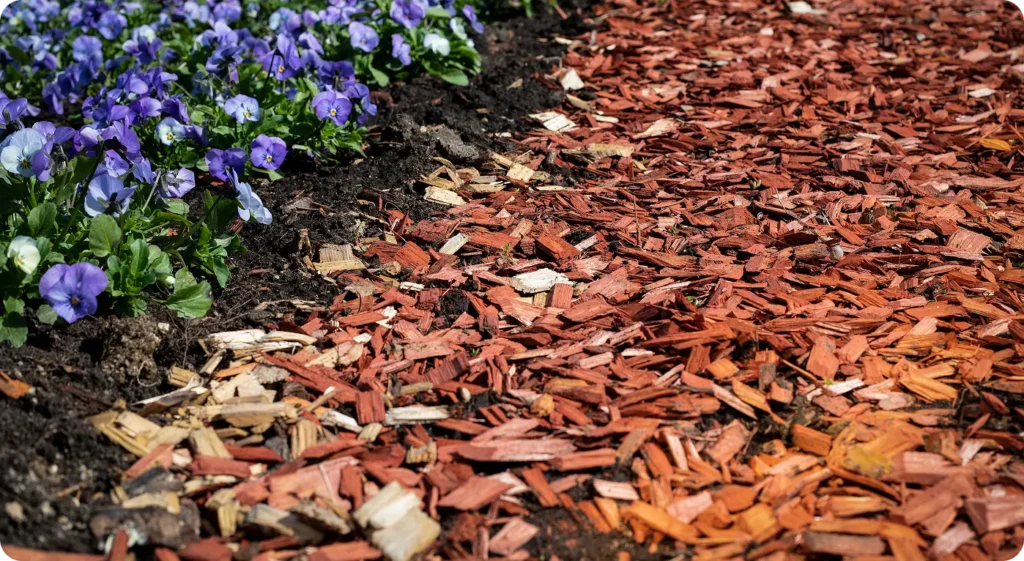
- Under mulch.
- Under boards, stones, and debris.
- In dense vegetation.
- In cracks and crevices.
- Under flower pots.
- In compost piles.
Activity Pattern
- Nocturnal feeders.
- Hide during daylight in moist, sheltered locations.
- Most active at temperatures 50-80°F.
- Dormant in cold weather.
Moisture Dependence
- Require humid harborage.
- Populations build in wet, mulched, cluttered garden areas.
- Dry gardens with minimal harborage have lower populations.
Population Cycles
- Spring egg hatch produces nymph peak.
- Summer sees maximum population.
- Fall decline.
- Winter hibernation.
Identifying Earwig Damage
Distinguishing from Other Pests
- Slug damage: similar hole patterns but slime trails present.
- Caterpillar damage: often larger, more continuous, with frass present.
- Earwig damage: irregular holes on leaf margins, petal damage, often without immediate pest visible.
Night Inspection
- Check plants at night with a flashlight.
- Earwigs visible on plants during feeding.
- Confirms species responsible for damage.
Trapping to Confirm
- Rolled newspaper traps placed near damaged plants overnight.
- Earwigs harbor inside by morning.
- Confirms presence and abundance.
Cultural Management
For most gardens, cultural practices handle earwig pressure without chemicals.
Reduce Harborage
- Remove decorative bark, deep mulch, and debris near vulnerable plants.
- Clear boards, pots, and other objects that provide daytime shelter.
- Maintain clean borders between mulched areas and cultivated beds.
- Reduce dense vegetation that stays consistently moist.
Modify Irrigation
- Water in morning rather than evening (allows soil surface to dry by night).
- Drip irrigation rather than overhead watering where practical.
- Fix leaks and adjust sprinklers that produce consistently wet conditions.
Raise Vulnerable Fruit
- Straw or supports under strawberries to keep fruit off soil.
- Staking or tying up plants with drooping fruit.
- Mulch that doesn’t contact fruit directly.
Plant Selection
- Established plants resist earwig pressure better than seedlings.
- Some plants (tough-leaved varieties) are less attractive than soft tender plants.
- Replacement selections possible for areas with chronic earwig issues.
Trapping Approaches
Rolled Newspaper Traps
- Roll 2-3 sheets of newspaper into a loose tube.
- Moisten slightly.
- Place near affected plants at evening.
- Collect in morning — earwigs harbor inside overnight.
- Dispose in sealed bag or submerge in soapy water.
Oil Traps
- Shallow container (tuna can or similar) partially buried at soil level.
- Fill with vegetable oil and a few drops of soy sauce or fish oil.
- Earwigs attracted to oil, fall in.
- Empty and replace every few days.
Corrugated Cardboard
- Rolled cardboard sections.
- Placed at ground level near affected areas.
- Check and empty daily.
Trap Placement
- Near damaged plants.
- In shaded, moist garden areas.
- Multiple traps for larger gardens.
- Rotate placement based on which traps catch most.
Chemical Options
For situations requiring chemical intervention:
Diatomaceous Earth
- Food-grade diatomaceous earth around plant bases.
- Effective in dry conditions.
- Reapply after rain or irrigation.
- Safe for beneficial insects when applied to soil surface.
Iron Phosphate
- Labeled for earwigs in some formulations.
- Organic-approved.
- Safe around pets and wildlife.
Spinosad
- Organic-approved insecticide.
- Effective on earwigs and other garden pests.
- Follow label carefully on bee-attractive plants.
Pyrethroid Products
- Broader-spectrum insecticides.
- Effective but kill beneficials.
- Use as spot treatment for severe cases rather than routine.
Indoor Earwig Management
Why They Come Indoors
- Seeking moisture during dry spells.
- Displaced by irrigation or rainfall events.
- Attracted to indoor plants with moist soil.
- Accessing through door sweeps, gaps, and utility penetrations.
Indoor Control
- Exclusion: seal gaps around foundation, doors, and utility penetrations.
- Reduce moisture: address plumbing issues, improve ventilation.
- Houseplants: check pot bottoms and repot as needed.
- Vacuum visible earwigs for disposal.
Outdoor Perimeter
- Reduce mulch directly against foundation.
- Address moisture against foundation.
- Perimeter insecticide treatment in some cases.
Earwig Species in California

European Earwig (Forficula auricularia)
- Most common species in California gardens.
- The focus of most earwig management discussion.

Ring-Legged Earwig
- Less common but present.
- Similar management approach.
Predatory Earwigs
- Some species are primarily predators and beneficial.
- Identification requires attention to species-level differences.
Garden Balance Considerations
Don’t Overreact
Most earwig sightings don’t warrant response. Gardens with visible earwigs but no visible damage are often seeing beneficial predation without negative impact.
Decide Based on Damage
- Damage to specific plants triggers response.
- No damage means no response needed.
- Threshold varies by gardener — some tolerate some damage, others don’t.
Consider the Whole Garden
- Elimination of earwigs removes their contribution to aphid control.
- Integrated approach maintains balance.
- Spot treatment of specific issues rather than garden-wide elimination.
When to Act
Seedling Damage
- Young plants are vulnerable.
- High earwig populations can decimate seedlings.
- Action warranted during seedling establishment.
Ornamental Flower Damage
- Dahlia growers face specific earwig pressure.
- Flower damage affects plant value.
- Targeted management around flower beds appropriate.
Ripe Fruit Damage
- Strawberries, low-hanging fruit.
- Action warranted to protect fruit production.
Indoor Intrusion
- Nuisance level indoor populations warrant exclusion and moisture management.
- Not usually a treatment priority.
When Not to Act
Minimal Damage
- A few chewed leaves doesn’t warrant action.
- Normal background activity.
Established Gardens in Season
- Mid-summer gardens with healthy established plants tolerate earwig activity.
- No treatment needed.
Gardens With Active Aphid or Scale Issues
- Earwigs helping control other pests are net positive.
- Preserving the population makes sense.
San Diego vs. Sacramento
In San Diego, earwig activity is year-round with peaks following wet periods. Coastal and irrigated residential areas have persistent populations. Canyon-adjacent properties and those with dense landscaping see higher populations.
In Sacramento, earwig season peaks in spring and early summer. Dry summer conditions reduce populations significantly. Irrigated gardens maintain populations through summer. Fall brings resurgence as temperatures moderate and moisture returns.
When Professional Work Is Worth It
For typical garden earwig management, homeowner cultural practices and occasional trapping handle the issue. Professional work earns its keep when indoor intrusion is persistent, when populations are producing significant damage across multiple garden areas, when moisture source problems require professional diagnosis, or when integration with broader pest management is appropriate.
The Tri-Zone™ Defense System addresses moisture and harborage conditions at the fence line, yard, and foundation that support earwig populations and affect indoor intrusion. Simple Pest handles earwig work across San Diego and Sacramento with emphasis on perimeter conditions rather than garden-wide treatment that would disrupt beneficial insect populations.