
Mosquito pressure drops off sharply as temperatures cool, but October isn’t the end of the season in most of California. Warm afternoons still produce adult activity. Standing water from irrigation, fall rains, and landscape features still supports larval development. And the overwintering populations that produce next year’s first activity are establishing now.
The final mosquito service of the year isn’t about this week’s mosquitoes. It’s about setting conditions for a lower-pressure spring — and about catching the last adult population before they seek overwintering shelter in structures and landscape features.
At Simple Pest we handle mosquito work across San Diego and Sacramento. Here’s what the October service targets and why it matters.
What Changes in Fall
Temperature Decline
- Mosquito activity slows below 60°F.
- Development slows.
- Adult mosquitoes less active, more defensive.
- Still active on warm days.
Day Length
- Shorter days trigger overwintering behavior in some species.
- Females seek shelter rather than feeding.
- Last blood meals before winter dormancy.
Species Transitions
- Summer species (Aedes, Culex populations) decline.
- Overwintering species (certain Culex and Anopheles) prepare for winter.
- Composition of active mosquitoes shifts.
Breeding Sites
- Summer breeding sites dry up.
- Fall rains create new sites.
- Irrigation patterns shift.
- Deciduous leaves clog drains and catchments.
What October Service Targets
Remaining Larval Sites
- Standing water in depressions.
- Blocked drains and gutters with leaf debris.
- Tarps and covers holding water.
- Containers that filled from fall rains.
- Swimming pool skimmer issues.
- Birdbaths and decorative features.
Adult Population
- Residual treatment on resting sites (foliage, under eaves, exterior walls).
- Catches adults seeking blood meals or resting.
- Reduces population attempting to overwinter on property.
Overwintering Sites
- Shed interiors.
- Crawl spaces.
- Utility rooms.
- Attics (less common but occurs).
- Treatment of these sites reduces spring emergence.
Property-Wide Assessment
- Review of what worked through summer.
- Identification of persistent problem sites.
- Planning for next year’s approach.
Fall Mosquito Behavior Changes
Aggressive Feeding
- Females preparing for winter take larger or more frequent blood meals.
- Biting activity can feel intense despite lower overall population.
- Warm afternoons produce heavy activity.
Resting Behavior
- Lower temperatures mean mosquitoes rest on sheltered surfaces more.
- Resting sites more predictable and treatable.
- Residual applications more effective.
Reduced Flight Range
- Lower activity means mosquitoes stay closer to breeding sites.
- Localized problems rather than yard-wide.
- Treatment focus can be more targeted.
Where Mosquitoes Overwinter
Adult Female Overwintering
Certain species (particularly Culex) overwinter as adult females:
- Hiding in sheltered locations.
- Stored garden tools or equipment.
- Inside sheds and outbuildings.
- Crawl spaces and basements.
- Utility rooms.
- Occasionally inside homes.
- Emerge in spring ready to produce first generation.
Egg Overwintering
Some species overwinter as eggs:
- Drought-resistant eggs in dry containers and natural tree holes.
- Eggs hatch when flooded by spring rains.
- Source of early-season populations.
Larval Overwintering
- Some species’ larvae survive in deep water features.
- Pools, ponds, and large containers.
- Emerge as adults in spring.
Site Assessment for Fall Service

Gutters and Downspouts
- Fall leaves clog gutters.
- Clogged gutters pool water.
- Water becomes mosquito breeding site.
- Clean before heavy fall rains.
Landscape Features
- Bird baths: empty for winter or maintain with weekly water changes.
- Decorative fountains: run or empty for winter.
- Rain barrels: screen inlets, treat contents if keeping operational.
- Pond features: fish-maintained ponds self-manage; others need treatment.
Storage Areas
- Stored tarps and covers holding water.
- Overturned containers that accumulated water.
- Unused pots and planters.
- Trash cans without lids.
Structural
- Clogged drain lines.
- Air conditioning condensate pooling.
- Irrigation leaks.
- Sprinkler head issues creating consistent wet spots.
Natural Features
- Tree holes holding water.
- Depressions in landscape.
- Dense vegetation retaining moisture.
Treatment Approaches
Source Reduction
- Eliminate standing water.
- Clean gutters.
- Empty containers.
- Address drainage issues.
Larvicide
- Bti (Bacillus thuringiensis israelensis) products for standing water that can’t be eliminated.
- Safe for fish, birds, and beneficial insects.
- Effective on mosquito larvae specifically.
Adulticide
- Residual treatment on resting surfaces.
- Liquid or granular applications.
- Targets harborage rather than broadcast application.
Fogging
- ULV (ultra-low volume) fogging for quick knockdown of adults.
- Temporary effect — doesn’t persist.
- Useful for events or immediate reduction.
Barrier Treatment
- Residual perimeter treatment on vegetation and landscape.
- Lasts weeks.
- Suppresses population through late fall.
Vector Control District Coordination
County Programs
California has local mosquito and vector control districts that handle public mosquito management:
- San Diego County: Department of Environmental Health Vector Control Program.
- Sacramento-Yolo Mosquito and Vector Control District.
- Services include surveillance, larviciding of public waterways, and response to service requests.
Reporting Issues
- Standing water issues beyond property.
- Large nuisance populations.
- Suspected disease vector species.
Coordination
- Public programs address regional pressure.
- Private pest control addresses property-specific issues.
- Both approaches complement each other.
Disease Considerations
West Nile Virus
- Transmitted primarily by Culex mosquitoes.
- Fall is elevated transmission season in California.
- Late season treatment addresses this risk specifically.
St. Louis Encephalitis
- Similar vector profile.
- Lower-frequency but persistent concern.
Dengue and Other Aedes-Borne Diseases
- Aedes aegypti and Aedes albopictus have expanded in California.
- Fall management addresses their populations before next year’s peak.
Heartworm (Dogs)
- Mosquito-transmitted.
- Year-round preventive medication for dogs per veterinary guidance.
- Fall mosquito management reduces transmission pressure.
Property-Specific Considerations
Swimming Pools
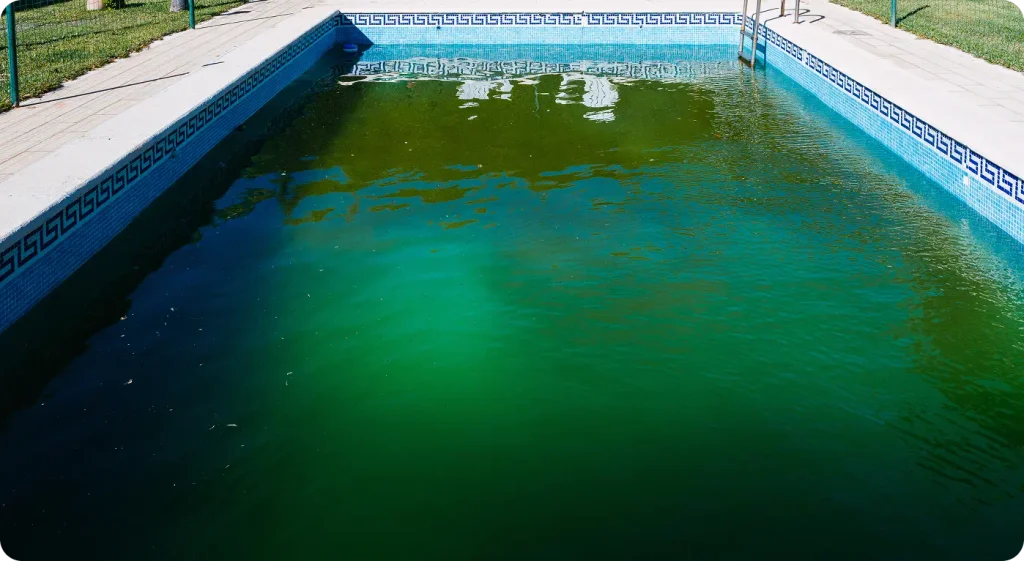
- Active pools with chlorine maintenance don’t breed mosquitoes.
- Pools shut down for winter need covering or draining.
- Rain accumulation on winter covers can breed mosquitoes.
Properties With Water Features
- Maintained features with circulation and fish resist mosquito breeding.
- Stagnant features need management.
- Winterizing strategies vary by feature type.
Wooded or Natural Landscapes
- Tree holes, natural depressions, leaf litter.
- Harder to address completely.
- Professional work often appropriate.
Rural Properties
- Irrigation infrastructure.
- Natural water features.
- Livestock water sources.
- Broader assessment and management approach.
Preparing for Spring
Documentation
- Note what worked through the season.
- Identify persistent problem sites.
- Plan spring interventions.
Winter Monitoring
- Winter isn’t zero risk in mild California areas.
- Occasional warm periods can produce mosquito activity.
- Continued site management appropriate.
Early Season Service Planning
- Schedule first service of next year.
- March-April typically appropriate in California.
- Addresses overwintering populations before they produce new generations.
Homeowner Responsibilities
Between Service Visits
- Weekly walk-through checking for standing water.
- Empty birdbaths, replace water frequently.
- Clean gutters as leaves fall.
- Address any visible issues promptly.
Observation
- Note times and locations of mosquito activity.
- Report pattern changes to pest control provider.
- Photograph suspected breeding sites.
Coordination
- Follow through on recommendations.
- Address landscape and drainage issues identified.
- Maintain exclusion on rain barrels and features.
Common Fall Mosquito Scenarios
Persistent Activity Despite Cool Temperatures
- Check for protected breeding sites on property.
- Consider neighbor property contributions.
- Review recent irrigation or rain events.
Indoor Mosquitoes in Fall
- Possibly overwintering females seeking shelter.
- Check for entry points and seal.
- Address humid indoor locations where they might breed.
Stagnant Swimming Pool Issues
- Green or mosquito-active pool water.
- Shock treatment or professional pool service.
- Cover or drain based on season plans.
Standing Water in Unreachable Areas
- Clogged interior drains.
- Wall cavity issues.
- Professional diagnosis needed.
San Diego vs. Sacramento
In San Diego, mosquito season is effectively year-round with seasonal variation. Fall treatment addresses peak populations as summer vegetation holds moisture. Mild winter means populations never fully crash. Ongoing winter monitoring recommended.
In Sacramento, fall mosquito activity declines sharply as temperatures drop. First cold snaps bring dramatic population reduction. October service catches the last substantial population. Winter is genuinely low-activity for most property-level concerns.
When Professional Work Is Worth It
For homeowners managing basic mosquito pressure on typical residential properties, seasonal service through a provider and attention to source reduction handle most situations. Professional work earns its keep when populations persist despite homeowner efforts, when properties have complex features requiring specialized treatment, when disease vector concerns warrant professional response, or when large properties require scaled treatment capability.
The Tri-Zone™ Defense System addresses mosquito pressure at the fence line, yard, and foundation with residual treatments on harborage and landscape edges. Simple Pest handles mosquito work across San Diego and Sacramento with seasonal programs that include spring start-up, summer maintenance, and fall final treatment — the cycle that keeps pressure low through the year.


