
Most homeowners assume fleas are a summer problem. Outdoor yards, warm weather, peak pet activity — that’s the mental model. And it’s right for outdoor flea pressure. But indoor flea populations often peak in winter, driven by central heating, stable indoor conditions, and the reality that once fleas establish indoors, seasonal outdoor cycles matter less than household environment.
The winter flea call is distinctive. Pet owners report bites, pets are scratching, and flea eggs and larvae have been developing in carpets for weeks while nobody noticed. Treatment has to address pets, environment, and ongoing prevention — not just one of these. The homes that treat pets but skip environment, or treat carpets but skip pet medications, produce the kind of failed-treatment frustration that defines DIY flea work.
At Simple Pest Management we handle flea work across San Diego and Sacramento. Here’s what actually works against established populations.
Why Fleas Peak Indoors in Winter
Central Heating
- Indoor temperatures in heated homes support flea activity year-round.
- Fleas develop and reproduce at rates typical of summer.
- Cool exterior doesn’t affect indoor populations once established.
Reduced Disturbance
- Pets spend more time indoors.
- Activity concentrated on indoor surfaces.
- Fleas reach pets consistently.
Dry Air, But Controlled Humidity
- Modern heated homes have moderate humidity.
- Not too dry for flea eggs to develop.
- Sometimes supplemental humidification creates ideal flea conditions.
Developmental Speed
- Flea life cycle completes in 2-3 weeks in warm indoor conditions.
- Generation after generation through winter.
- Population builds if not interrupted.
No Winter Crash
- Outdoor populations crash in hard freezes.
- Indoor populations don’t experience this reset.
- Cycle continues uninterrupted.
The Flea Life Cycle
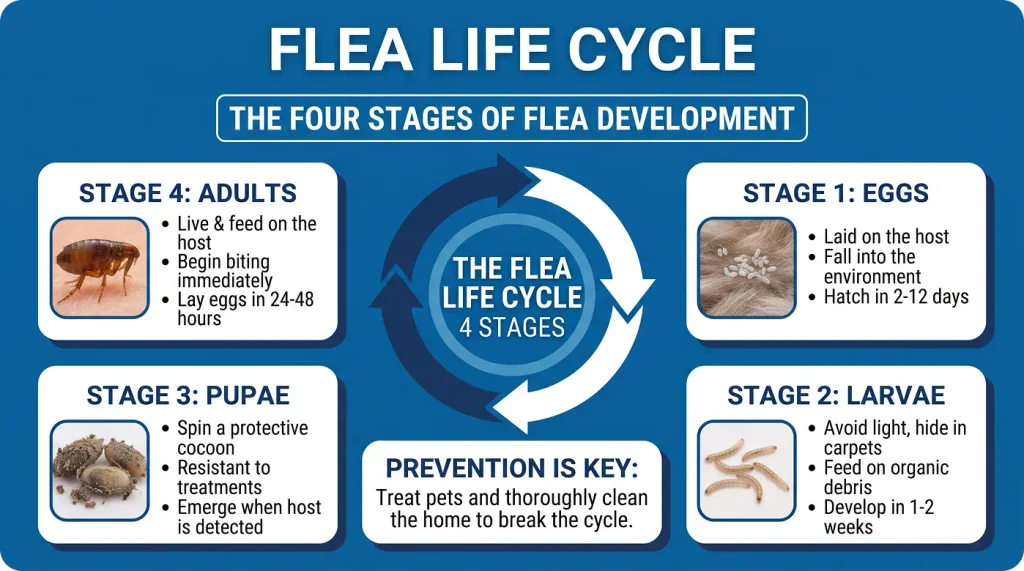
Understanding the cycle is essential for treatment:
Eggs
- Laid on host or in environment.
- Fall off host into carpeting, bedding, furniture.
- Hatch in 2-5 days in warm conditions.
- Make up roughly 50% of flea population at any time.
Larvae
- Tiny, worm-like.
- Develop in carpet fibers, under furniture, in cracks.
- Feed on flea dirt (dried blood excrement from adult fleas) and organic debris.
- Avoid light.
- Development takes 1-2 weeks typically.
Pupae
- Cocoon stage.
- Can remain dormant for weeks to months.
- Emerge when triggered by vibration, carbon dioxide, or heat.
- Most resistant life stage — most treatments don’t affect pupae.
- Make up roughly 10% of population at any time.
Adults
- Emerge from cocoons.
- Jump onto host within hours.
- Feed on blood.
- Reproduce within days.
- Live weeks on host.
- Make up roughly 5% of population at any time.
Environmental Population
At any point, 95% of a flea infestation is in environment (eggs, larvae, pupae) and only 5% is adult fleas on pets or in view. This is why treating only pets fails.
Signs of Infestation
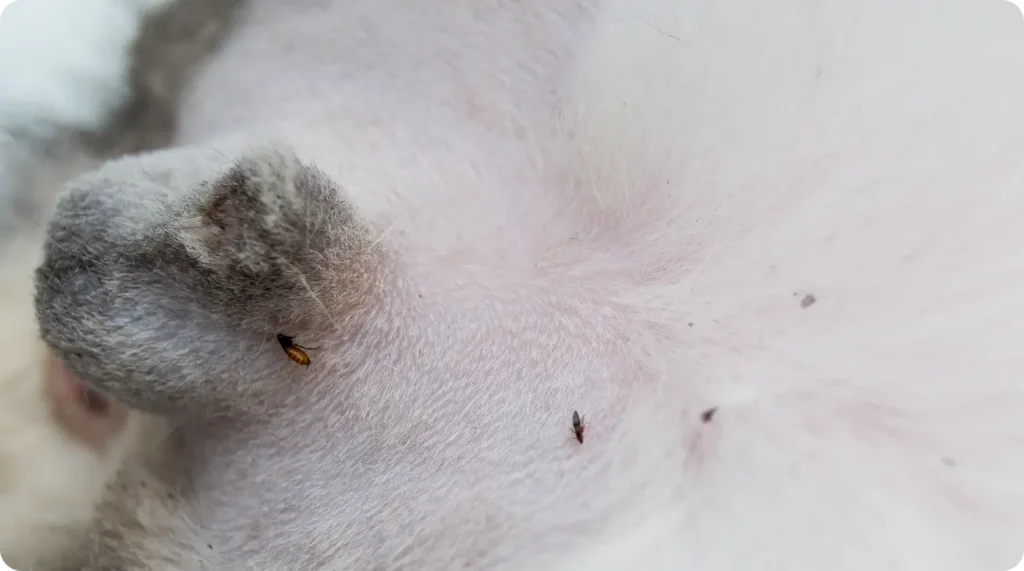
On Pets
- Scratching and biting.
- Visible fleas in fur.
- Flea dirt (small dark specks) in fur.
- Hair loss in allergic pets.
- Restlessness.
In Environment
- Flea dirt on pet bedding.
- Flea dirt on light-colored carpet (appears as dark specks).
- Flea dirt on furniture where pets rest.
- Visible fleas (quick-moving on light surfaces).
On People
- Bites, often on lower legs (flea jump height).
- Red itchy spots, sometimes in clusters.
- Often worse at night or after being on floor.
White Sock Test
- Wear white knee socks.
- Walk through suspected area.
- Fleas visible as dark spots on socks.
- Quick indicator of environmental population.
Why DIY Often Fails
Environment Ignored
- Pet-only treatment kills adult fleas but eggs, larvae, and pupae continue.
- New adults emerge within days.
- Cycle continues.
Pupae Resistance
- Most treatments don’t penetrate cocoons.
- Pupae emerge after treatment, producing new adult population.
- Treatment appears to fail when actually emerging from pupae.
Incomplete Area Treatment
- Fleas distribute broadly.
- Treating living room but not bedroom leaves reservoir.
- Pet sleeping areas often missed.
Wrong Products
- Consumer products less effective than professional.
- Some products don’t kill all life stages.
- Incomplete residual effect.
Pet Medication Compliance
- Missed doses interrupt protection.
- Some medications more effective than others.
- Older “flea dips” and topical treatments less effective than modern systemic products.
Insufficient Duration
- Treatment stopped too soon.
- Need to continue through entire life cycle resolution.
- 6-8 weeks minimum for complete control.
The Effective Approach
Simultaneous Treatment
Effective flea work treats three things at once:
- Pets.
- Environment.
- Ongoing prevention.
Missing any of the three produces failure.
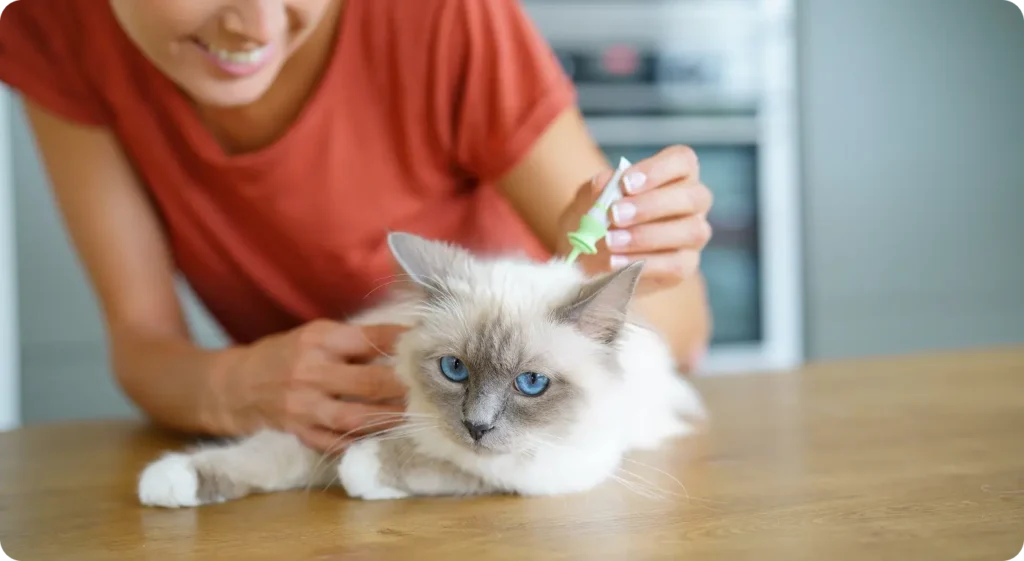
Pet Treatment
Work with veterinarian on appropriate product:
- Systemic oral medications (Bravecto, NexGard, Simparica, Credelio).
- Topical spot-on treatments (Frontline, Advantage, Revolution).
- Flea and tick combination products.
- Species and weight-appropriate dosing.
- Monthly or longer-interval dosing depending on product.
Environmental Treatment
Professional or DIY treatment covering:
- All carpeting in affected rooms.
- Area rugs.
- Upholstered furniture.
- Pet bedding.
- Floor cracks and crevices.
- Under furniture.
Product Options
- Pyrethroid-based sprays (fast adult knockdown, limited residual).
- Insect growth regulators (IGRs) like methoprene or pyriproxyfen (break reproductive cycle).
- Combination products addressing multiple life stages.
- Professional applications often superior to consumer products.
Vacuuming Protocol
Daily vacuuming during treatment period:
- Fleas emerge from pupae with vibration.
- Vacuum collects adults and triggers emergence.
- Empty vacuum canister immediately into sealed bag, disposed outdoors.
- Continue for 2-3 weeks minimum.
Laundry
- Wash pet bedding in hot water.
- Wash throw rugs.
- Launder affected clothing and bedding.
- High heat drying.
Treatment Timeline
Week 1
- Pet treatment starts.
- Initial environmental treatment.
- Daily vacuuming begins.
- Visible adult flea population should drop.
Weeks 2-3
- Egg and larval populations affected by IGRs.
- Some pupae emerging and caught by continued treatment.
- Continued vacuuming.
Weeks 4-6
- Second environmental treatment typically.
- Population should be substantially reduced.
- Pet protection continues.
Weeks 6-8
- Verification of control.
- Ongoing pet protection.
- Reduced vacuuming frequency if appropriate.
Long-Term
- Maintained pet protection.
- Environmental vigilance.
- Prevention protocol.
Specific Situations
Multiple Pets
- All pets on protection simultaneously.
- Different products may suit different species.
- Coordinated approach.
New Pet in Home
- Check for fleas before bringing new pet home.
- Immediate protection starts.
- Bathing before introduction to existing pet areas.
Cats vs. Dogs
- Dog-specific products can be toxic to cats (particularly permethrin-based).
- Always verify species appropriateness.
- Veterinary consultation for multi-species households.
Outdoor-Only Pets
- Still require flea protection to prevent carrying into home.
- Yard treatment may be appropriate.
- Environmental treatment if pets access indoor areas.
Indoor-Only Cats
- Can still get fleas through visitors, other pets, or human transport.
- Protection still appropriate in flea-heavy regions.
Heavy Infestations
- Professional treatment typically necessary.
- Possibly multiple environmental applications.
- Extended timeline.
- Veterinary attention for flea-related conditions.
Flea Allergy in Pets
- Flea allergy dermatitis produces severe reaction from single bite.
- Aggressive protection required.
- Veterinary management of allergic symptoms.
Carpet Removal Scenarios
Sometimes carpet replacement is appropriate:
- Heavy infestation in old carpet.
- Significant flea dirt accumulation.
- Pet odor issues compounding.
- Post-treatment replacement with hard flooring.
Environmental Details Often Missed
Pet Beds
- Flea egg accumulation in pet beds.
- Wash or replace during treatment.
- Monitor for flea dirt after treatment.
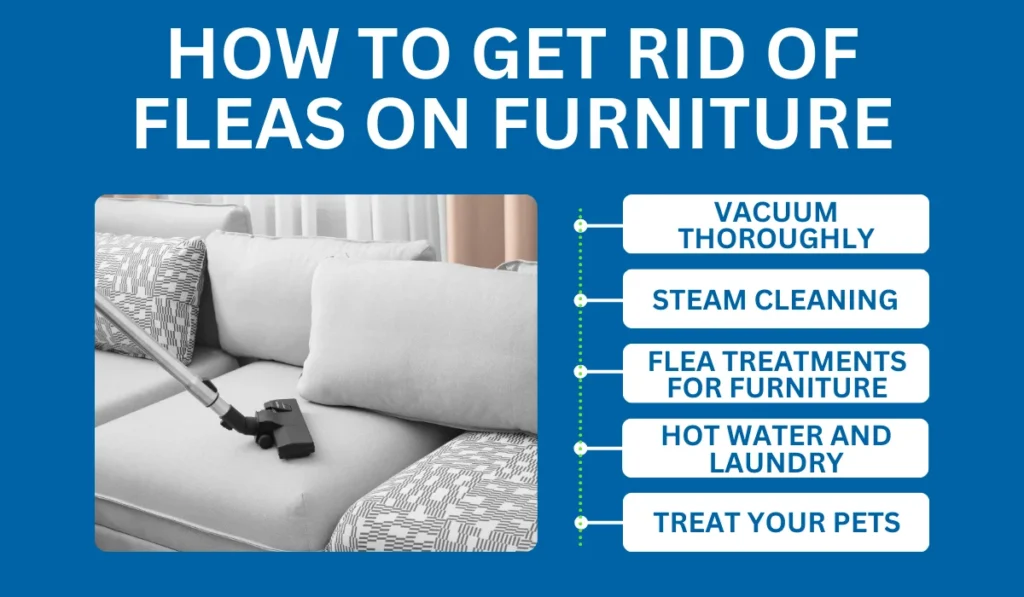
Furniture
- Fleas harbor in upholstery.
- Treat with appropriate products.
- Vacuum thoroughly.
- Pet-accessible furniture particularly important.
Cars
- If pets ride in car, fleas establish there.
- Vehicle treatment may be needed.
- Removable pet covers cleaned regularly.
Outdoor Resting Areas
- Shaded yard spots where pets rest.
- Flea pressure outdoors affects indoor population.
- Yard treatment for persistent issues.
Crawl Spaces and Under Decks
- Feral cats and wildlife produce flea populations that affect pets.
- Exclusion and treatment may be needed.
Prevention After Treatment
Continuous Pet Protection
- Year-round rather than seasonal in California climate.
- Consistent dosing.
- Annual veterinary reassessment.
Environmental Awareness
- Notice any renewed activity promptly.
- Early response prevents re-establishment.
- Quarterly inspection of pet bedding and floor areas.
Limit Outdoor Exposure to Wildlife
- Don’t feed wildlife (raccoons, opossums carry fleas).
- Address wildlife issues producing flea pressure.
- Yard maintenance reducing wildlife attraction.
Visitor Management
- Visiting pets treated before bringing into home.
- Awareness of people visiting from flea-infested homes.
Disease and Health Considerations
Tapeworms
- Fleas transmit tapeworms to pets.
- Pet treatment should include deworming if infestation was significant.
Flea Allergy Dermatitis
- Common pet skin condition.
- Treated medically.
- Flea prevention essential.
Cat Scratch Disease
- Bartonella bacteria transmitted through flea dirt.
- Generally mild but documented.
- Reason for prevention.
Murine Typhus
- Fleas can transmit murine typhus from rats to humans.
- California cases occur (particularly Southern California).
- Reason for integrated rodent and flea management.
Pet Anemia
- Heavy flea burden in small or young pets.
- Medical emergency.
- Veterinary attention.
San Diego vs. Sacramento
In San Diego, year-round flea pressure with minimal seasonal variation. Coastal and canyon-adjacent properties with wildlife populations see heavy exterior pressure. Indoor populations common year-round. Warm climate favors continuous cycle.
In Sacramento, flea pressure varies more seasonally. Summer outdoor peaks translate to fall and winter indoor peaks once established. Foothill and semi-rural properties with wildlife exposure see heavier pressure. Central heating creates year-round indoor conditions.
When Professional Work Is Worth It
For moderate infestations caught early, coordinated pet treatment, vacuuming, and consumer environmental products handle the situation. Professional work earns its keep when infestations are heavy or long-established, when DIY approaches have already failed, when pet allergy or health concerns elevate stakes, when wildlife pressure complicates the picture, or when integrated coordination with other pest services makes sense.
The Tri-Zone™ Defense System addresses flea pressure at the fence line, yard, and foundation — reducing external populations that affect indoor issues. Simple Pest Management handles flea work across San Diego and Sacramento coordinating with veterinary care for pet treatment and environmental treatment that addresses the 95% of flea populations homeowners don’t see.


