
Most cockroach species that appear in California homes are manageable with moderate effort. German cockroaches are not. Their biology produces a reproduction curve steep enough that a dozen roaches in a kitchen becomes hundreds within months — and thousands inside a year — without intervention. The species that homeowners often dismiss as “a few bugs” is the one that warrants immediate response.
Understanding how this works changes the response. Germans aren’t a seasonal pest or a passing visitor. Once established, they multiply at rates that outpace casual treatment. The work has to be systematic and complete.
At Simple Pest Management we handle German cockroach work across San Diego and Sacramento, and the species accounts for most serious kitchen cockroach cases. Here’s why, and what effective response looks like.
Identifying German Cockroaches
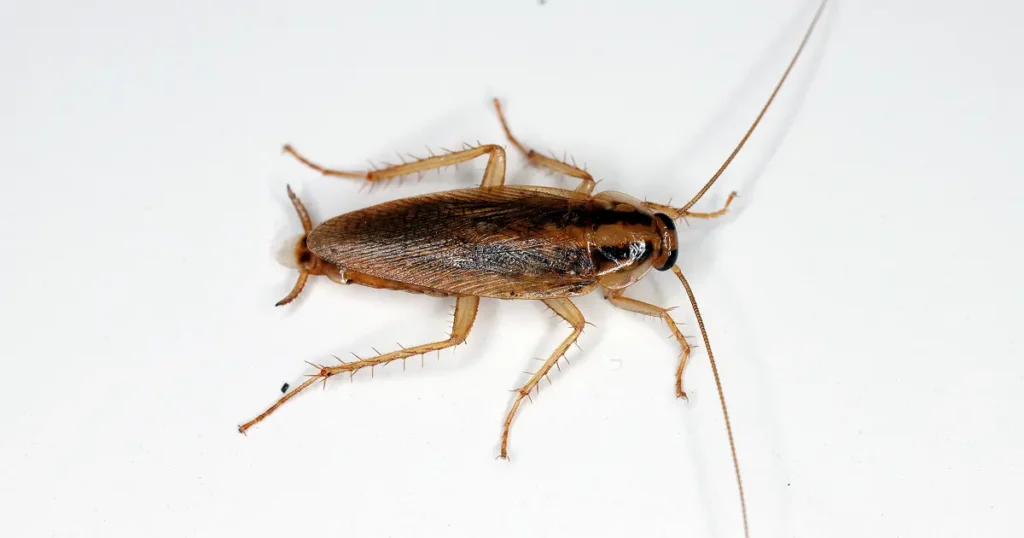
Physical Description
- Small (1/2 to 5/8 inch as adults).
- Light tan to brown with two distinct dark stripes running lengthwise behind the head.
- Adults have wings but rarely fly.
- Nymphs are darker with less distinct markings.
Distinguishing from Other Species
- American cockroaches are much larger (1.5 inches) and reddish brown.
- Oriental cockroaches are medium-sized and dark brown to black.
- Brown-banded cockroaches are similar in size with a different stripe pattern.
Correct identification matters because treatment approaches differ. German cockroach infestations specifically require the intensive response this article describes.
Location Preferences
- Kitchens (around appliances, under sinks, in cabinets).
- Bathrooms.
- Utility areas near water and food.
- Indoors exclusively — don’t survive outside homes long-term in California climate.
- Warm, humid locations near food and water sources.
The Reproduction Math
Egg Cases
- Female produces an egg case (ootheca) every 3-4 weeks.
- Each case contains 30-40 eggs.
- Female carries the case until near hatching (unlike many other cockroaches that drop them).
- Eggs hatch in 20-28 days.
Development Speed
- Nymphs mature to breeding adults in 50-60 days under favorable conditions.
- Warm kitchens accelerate development.
- New females breed within days of maturity.
Single Pair Math
Starting with one breeding pair in optimal conditions:
- Generation 1: 35 offspring in roughly 2 months.
- Generation 2: 35 x 17 breeding females = ~600 offspring in roughly 4 months.
- Generation 3: thousands in roughly 6 months.
- Generation 4: tens of thousands by 8-10 months.
Real-world conditions slow this somewhat, but the pattern holds. German cockroach populations grow at exponential rates.
Why Other Species Don’t Match This
- American cockroach: 1 egg case per month with 12-16 eggs, development 300+ days.
- Oriental cockroach: similar slower pattern.
- Only German cockroaches combine small egg cases produced monthly with rapid development.
How They Enter Homes
Transport
Most German cockroach infestations start with introduction:
- Used appliances (particularly used refrigerators, microwaves, dishwashers).
- Cardboard boxes from infested warehouses or businesses.
- Grocery bags from markets with problems.
- Moving boxes from infested homes.
- Restaurant or food service take-home containers.
- Infested multifamily housing units (neighbor-to-neighbor spread).
Multifamily Spread
In apartments and condos:
- Shared walls, plumbing, and utility penetrations.
- Common trash rooms.
- Shared laundry areas.
- HVAC systems in some building types.
One infested unit becomes multiple infested units quickly.
Commercial Origins
Many residential infestations trace to:
- Grocery store bags and deliveries.
- Restaurants where residents work.
- Other commercial food establishments.
- Exterminator-resistant populations that spread from commercial to residential.
Early Warning Signs

Visual Sightings
- Any sighting of a small, light-brown striped cockroach in a kitchen or bathroom.
- Live cockroaches during daylight hours indicate a substantial population (they normally hide during daylight).
- Multiple sightings in a short period.
Droppings
- Small (pepper-flake sized) dark droppings.
- Clustered in cabinet corners, behind appliances, in drawer runners.
- Accumulation increases with population size.
Egg Cases
- Brown capsule-shaped cases (about 1/4 inch).
- Found in sheltered locations or carried by females.
- Presence confirms breeding population.
Odor
- Heavy infestations produce a musty, oily odor.
- Detectable in enclosed spaces.
- Indicates established, substantial population.
Shed Skins
- Nymph shed skins accumulate near harborages.
- Indicate active breeding.
Why DIY Approaches Often Fail
Scope of Problem
- Consumer sprays treat visible cockroaches, not hidden populations.
- Populations develop in wall voids, appliance mechanisms, and inaccessible areas.
- Visible roaches are a small percentage of total population.
Resistance
- German cockroach populations have developed resistance to many common consumer products.
- Pyrethroid resistance is well-documented in the species.
- Bait aversion has developed in some populations (refusing standard glucose-based baits).
Reinfestation Speed
- Even partial kills are quickly replaced.
- Survivors reproduce and rebuild population.
- DIY that kills 80% isn’t enough — the remaining 20% rebuilds the population in weeks.
Behavioral Response
- Sprays can scatter populations into new areas.
- Roaches avoid treated surfaces and move to untreated harborage.
- Wrong products can worsen the distribution.
Inconsistent Application
- Homeowners often treat kitchens but miss bathrooms, utility rooms, or appliance interiors.
- Partial treatment leaves reservoirs that rebuild.
Effective Treatment Approach
Inspection First
- Identify all harborages.
- Map population distribution.
- Identify entry routes (for multifamily situations).
- Identify food and water sources supporting the population.
Integrated Approach
Modern German cockroach treatment combines:
- Gel bait (correctly formulated for the resident population).
- Insect growth regulators to disrupt reproduction.
- Residual products in appropriate locations (not sprayed in kitchens).
- Dusts in wall voids where accessible.
- Monitoring via sticky traps.
- Sanitation improvements.
- Exclusion to prevent spread.
Gel Bait Application
- Small placements in many locations rather than large placements.
- Cabinet hinges, behind appliance corners, drawer runners, pipe penetrations.
- Replace as consumed.
- Different bait formulations for bait-averse populations.
Timeline
- Initial treatment reduces visible population quickly.
- Eggs hatching over subsequent weeks produce new nymphs.
- Second generation of treatment targets hatched nymphs.
- Full control typically requires 8-12 weeks of integrated treatment.
- Monitoring continues beyond that.
Follow-Up
- Service visits at intervals that match the reproduction cycle.
- Monitoring data drives continued treatment.
- Premature declaration of success is common and leads to rebound.
Sanitation and Harborage Reduction
Treatment without conditions change often fails. The conditions:
Food Sources
- Dishes washed immediately rather than stored in sink.
- Food stored in sealed containers.
- Pet food managed (not left out overnight).
- Grease and food debris cleaned from appliances.
- Crumbs and spills addressed promptly.
Water Sources
- Plumbing leaks fixed.
- Standing water in sinks eliminated overnight.
- Pet water bowls managed.
- Condensation on pipes addressed.
- Refrigerator drip pans cleaned.
Harborage
- Cardboard removed where possible (roaches harbor in cardboard and eat starches in glues).
- Clutter reduced in kitchen and utility areas.
- Appliances cleaned behind and underneath.
- Gaps around pipes and wiring sealed.
Trash Management
- Kitchen trash with tight lids.
- Daily outdoor trash removal.
- Clean trash containers.
Multifamily Housing Considerations
Building-Wide Issues
Single-unit treatment in multifamily housing often fails:
- Adjacent units reinfest.
- Shared infrastructure allows travel.
- Coordinated treatment across affected units is more effective.
- Management involvement may be necessary.
Tenant Responsibilities
- Report sightings promptly.
- Coordinate access for treatment.
- Follow sanitation guidance.
- Avoid DIY that interferes with professional treatment.
Landlord Responsibilities
- Coordinate treatment across units.
- Address shared-space issues (trash rooms, laundry, utility chases).
- Follow through on treatment plans.
- Document activity for HOA or management.
Legal Context
California has implied warranty of habitability provisions that address pest issues in rental housing. The California Civil Code requires landlords to maintain rental units in habitable condition, which includes freedom from serious pest infestations. Tenants should document issues and communicate in writing. This article provides general information, not legal advice — tenants with habitability concerns should consult local resources or legal counsel for specific situations.
Preventing Reintroduction
Inspection of Incoming Items
- Used appliances inspected before bringing home (ideally not purchased used).
- Cardboard boxes broken down and discarded outdoors promptly.
- Grocery bags and deliveries handled awarely.
- Restaurant takeout containers disposed of promptly.
Monitoring
- Sticky traps maintained in kitchen and bathroom areas after treatment.
- Regular inspection continues for months after treatment.
- New sightings addressed immediately rather than waiting.
Coordination with Professional
- Ongoing relationship with pest control provider.
- Follow-up service visits as recommended.
- Rapid response to any recurrence.
What Treatment Actually Looks Like Over Time
Weeks 1-2
- Initial treatment and baiting.
- Visible population begins to drop.
- Droppings may accumulate from dying roaches.
- Active cleaning of dead insects.
Weeks 3-6
- Secondary generation hatches from existing egg cases.
- New nymphs appear; bait placements continue to work.
- Follow-up treatment targets newly hatched population.
- Sightings should be declining substantially.
Weeks 6-12
- Third generation largely prevented by IGR exposure and ongoing bait.
- Sightings rare to nonexistent.
- Monitoring traps show declining catches.
Months 3-6
- Population essentially eliminated if treatment was comprehensive.
- Monitoring continues.
- Sanitation practices maintained.
Long Term
- Ongoing monitoring.
- Any new sightings addressed immediately.
- Maintenance service frequency adjusted to risk level.
San Diego vs. Sacramento
In San Diego, German cockroach infestations occur year-round in homes, apartments, and commercial food establishments. High-density housing, restaurant density, and transient populations all contribute. Older multifamily properties and beach-area apartments see significant activity.
In Sacramento, German cockroach activity is similar year-round because infestations are indoor-only. Downtown apartments, Midtown multifamily housing, and areas with older building stock see substantial volume. Commercial food service establishments are a common source of residential infestations.
When Professional Work Is Worth It
For any confirmed German cockroach activity, professional work earns its keep almost immediately. DIY approaches extend timelines, risk resistance development, and often fail to address the scope of the problem. The math of reproduction means delay is expensive in terms of population growth.
The Tri-Zone™ Defense System addresses exterior pest pressure at the fence line, yard, and foundation — important for most pest species but less directly relevant to German cockroaches, which are an indoor species. Simple Pest handles German cockroach work across San Diego and Sacramento with integrated programs that combine baiting, IGRs, residual treatment, sanitation consultation, and the follow-up schedule that actually ends infestations rather than suppressing them.


