
The first time homeowners see an American cockroach, they remember it. At 1.5 to 2 inches long, reddish-brown, with wings capable of flight, these aren’t the small roaches most people picture. They move fast, they look alarming, and seeing one in a kitchen typically produces an immediate call for help.
The good news is that American cockroach infestations are generally more manageable than German cockroach problems. Different biology, different habitat preferences, and different control approach. The bad news is that treating American cockroaches with German cockroach tactics — gel bait in the kitchen, sustained interior treatment — often misses the point entirely. These roaches live in different places and respond to different work.
At Simple Pest we handle cockroach work across San Diego and Sacramento. Here’s what American cockroach work actually looks like.
Identifying American Cockroaches

Physical Description
- Large (1.5 to 2 inches).
- Reddish-brown to mahogany color.
- Yellow-edged pattern behind the head.
- Fully developed wings (both sexes) — can fly short distances, particularly in warm weather.
- Distinctive antennae longer than body.
Species Name and Origin
- Scientific name: Periplaneta americana.
- Despite the name, not native to the Americas — likely African origin.
- Established worldwide in warm climates.
Distinguishing from Similar Species
- Oriental cockroach: darker (nearly black), shorter wings, less active.
- Smoky brown cockroach: similar size but uniformly dark brown, common outdoors in Southern California.
- German cockroach: dramatically smaller, light tan with dark stripes.
Life Stages
- Egg case (ootheca) contains 14-16 eggs.
- Nymphs develop through 10-13 molts over 6-12 months.
- Adults can live over a year.
- Slower reproduction than German cockroaches.
Where American Cockroaches Actually Live
Outdoor Habitat
American cockroaches are primarily outdoor insects:
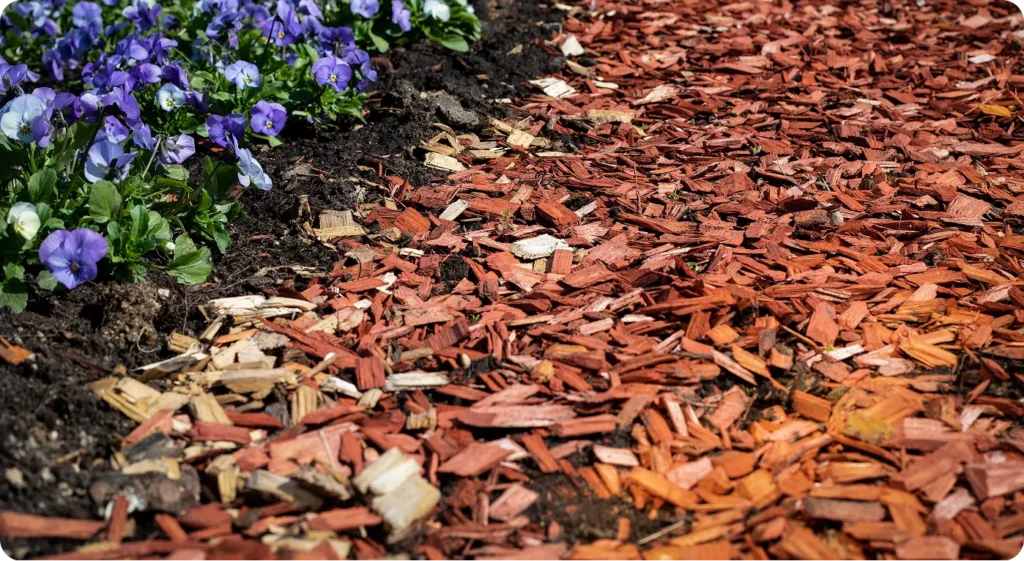
- Mulch beds.
- Under debris and wood piles.
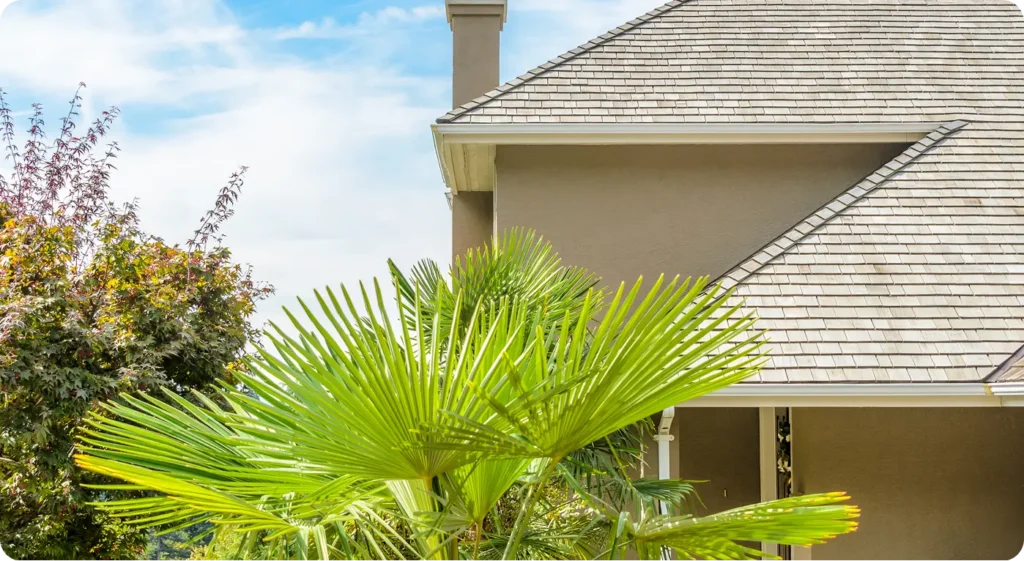
- Palm trees (particularly palm fronds).
- Ornamental vegetation.
- Tree hollows.
- Storm drains and sewer systems.
- Landscape mulch.
Structural Entry
They enter structures for:
- Food and water when outdoor sources are limited.
- Shelter during weather extremes.
- Through utility penetrations.
- Through sewer pipes and floor drains.
Indoor Habitat When Established
Indoors they prefer:
- Moist, warm locations.
- Basements and crawl spaces.
- Utility rooms.
- Around plumbing.
- Behind large appliances.
- Drop ceilings in commercial settings.
Commercial Settings
- Restaurants with floor drains.
- Grocery stores with humid back areas.
- Hotels with complex plumbing.
- Hospitals with warm utility rooms.
- Multi-family buildings with shared utilities.
Why American Cockroaches Are Different
Outdoor Focus
Unlike German cockroaches (indoor-exclusive), American cockroaches live primarily outdoors. Indoor sightings often represent wanderers from nearby outdoor populations rather than established indoor breeding.
Sewer Connection
American cockroaches thrive in sewer systems. They travel through plumbing and emerge through floor drains, toilets, and sink drains. A single cockroach emerging from a drain doesn’t necessarily indicate indoor infestation.
Slower Reproduction
One egg case per month with 14-16 eggs, 6-12 month development — much slower than German cockroaches. Population dynamics are less explosive.
Lower Density
Typical infestations involve fewer insects at any given moment, though total territorial presence can be substantial outdoors.
Flight Capability
Adults fly short distances, particularly in warm, humid conditions. This changes how they enter and distribute through structures.
Signs of American Cockroach Activity
Visual Sightings
- Large reddish-brown roaches.
- Often in basements, utility rooms, or near floor drains.
- Indoor sightings at night.
- Outdoor sightings in landscape and mulch.
Droppings
- Larger than German cockroach droppings (ridged, cylindrical).
- Found in utility areas, under appliances, in cabinets near plumbing.
Egg Cases
- Brown capsules roughly 3/8 inch long.
- Often attached to surfaces near harborage.
Odor
- Heavier infestations produce musty odor.
- Particularly in enclosed utility spaces.
Inspection Strategy
Exterior Assessment
- Mulch depth and condition.
- Landscape debris and wood piles.
- Palm trees and dense plantings.
- Outdoor storage.
- Roof line and eave conditions.
Entry Points
- Door sweeps and weatherstripping.
- Utility penetrations.
- Foundation cracks.
- Vent screens.
- Garage-to-house transitions.
Interior Focus
- Basements and crawl spaces.
- Utility rooms.
- Bathroom and kitchen plumbing.
- Floor drains.
- Wall voids near plumbing.
Sewer System
- Floor drain conditions.
- Sewer vent integrity.
- Main line access points.
- Sewer gas seals.
Treatment Approach
Exterior-First Strategy
Because American cockroaches are primarily outdoor insects, effective treatment starts outside:
- Reduce outdoor harborage.
- Landscape modification.
- Perimeter treatment.
- Exclusion at entry points.
Landscape and Mulch
- Reduce mulch depth (2 inches maximum typically).
- Keep mulch off foundation.
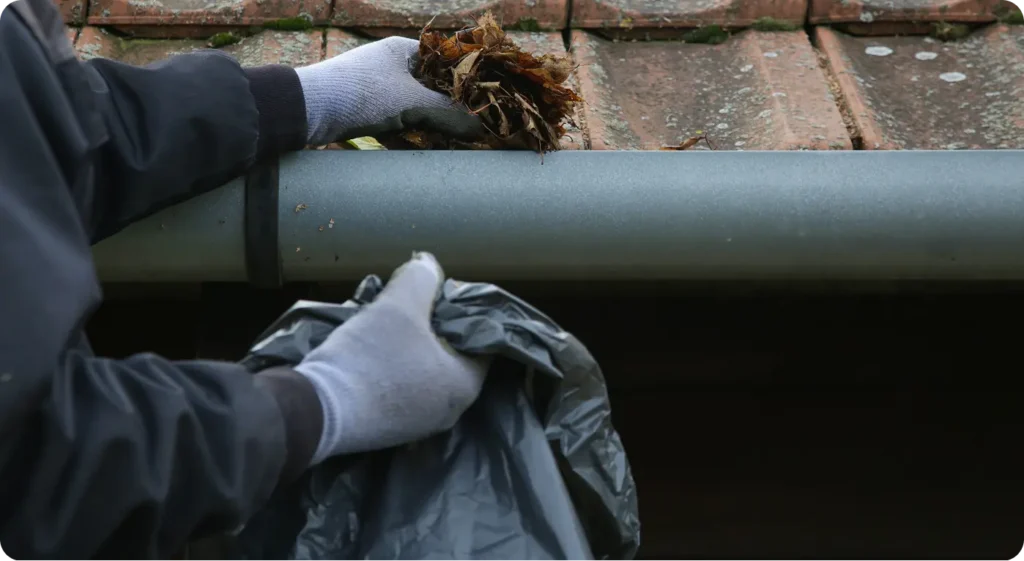
- Clean up leaf and debris accumulation.
- Manage palm frond cleanup.
Perimeter Treatment
- Residual insecticide at foundation.
- Landscape-edge applications.
- Crack and crevice treatment at entry points.
- Regular maintenance applications.
Exclusion
- Door sweeps and threshold seals.
- Weather stripping on exterior doors.
- Seal utility penetrations.
- Repair damaged vent screens.
- Seal foundation cracks.
Drain and Plumbing
- Address drain issues.
- Maintain P-traps (water barrier in drains).
- Service floor drains.
- Fix plumbing leaks.
Interior Treatment When Warranted
- Crack and crevice treatment in utility rooms.
- Dust application in wall voids.
- Glue monitors in suspected harborage.
- Targeted rather than broadcast.
Sewer System Approaches
- Sewer-line treatment in commercial or severe situations.
- Municipal coordination for sewer system pressure.
- Professional work required.
Treatment Differences from German Cockroach Work
German Cockroach Work
- Gel bait-focused.
- Kitchen and bathroom focus.
- Indoor emphasis.
- IGR incorporation.
- Intensive follow-up schedule.
- Multi-month treatment timeline.
American Cockroach Work
- Perimeter and exterior focus.
- Exclusion emphasis.
- Landscape modification.
- Less intensive interior treatment.
- Generally shorter treatment timeline.
- Long-term prevention through environmental conditions.
Why the Approach Differs
- Different habitat.
- Different reproduction patterns.
- Different behavior.
- Treatment matches biology rather than applying one-size-fits-all approach.
Homeowner Prevention Practices
Landscape
- Minimize dense mulch.
- Clear debris and fallen leaves.
- Manage dense vegetation.
- Address palm trees with regular frond cleanup.
- Firewood stored away from structure.
Moisture
- Repair plumbing leaks.
- Address exterior drainage issues.
- Irrigation management (avoid oversaturation near foundation).
- Gutters and downspouts directing water away from foundation.
Food Sources
- Secured trash.
- Pet food managed.
- No accessible organic debris.
Exclusion
- Door sweeps maintained.
- Weather stripping intact.
- Window screens.
- Vent screens.
- Utility penetrations sealed.
Drain Maintenance
- Run water through floor drains periodically.
- Maintain P-traps.
- Clean accessible drains.
Common Scenarios
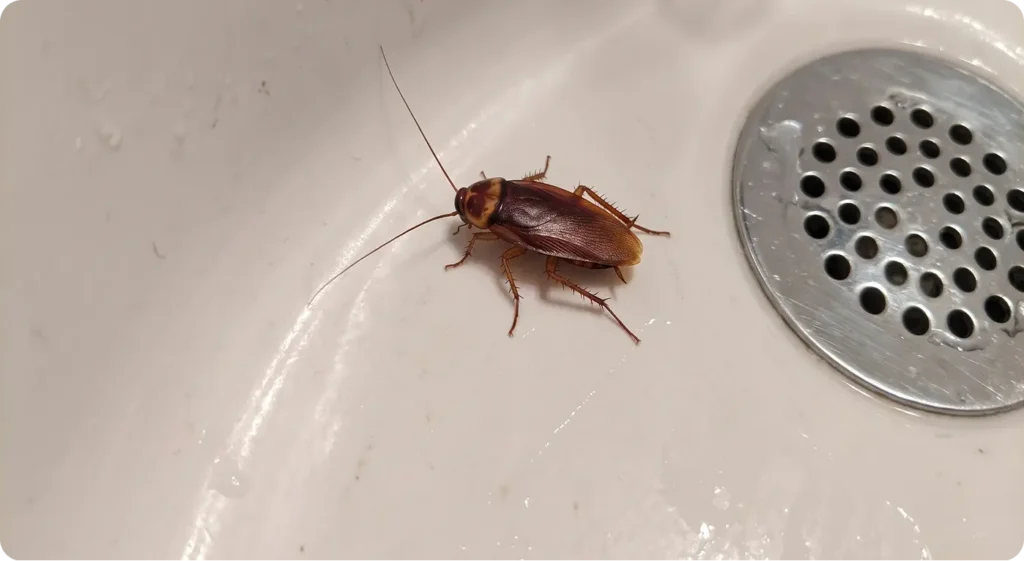
One Large Roach in the Bathtub
Often an American cockroach that emerged from a drain. Likely a wanderer rather than indicator of heavy infestation. Check drain, maintain P-traps, monitor for additional activity.
Roaches in Basement
Can indicate established interior population. Treatment approach appropriate for basement environment. Address moisture and utility room conditions.
Roaches on Porch at Night
Often outdoor population feeding on organic material. Landscape and exterior treatment focus. Limited indoor concern if exclusion is sound.
Roaches in Mulch
Expected in certain conditions. Landscape assessment and exterior treatment. Reduce mulch depth and harborage.
Roaches in Multi-Family Housing
Shared utility spaces and sewer systems. Building-wide coordination often necessary. Landlord and property management involvement.
Roaches in Commercial Floor Drains
Common in restaurants and food service. Drain treatment and sanitation. Professional commercial pest management.
Palm Tree Considerations
Palm-Specific Habitat
- Palm fronds harbor American cockroaches.
- Dead fronds particularly attractive.
- Nesting in crowns of palms.
- Large populations possible in mature palms.
Management
- Regular frond cleanup and pruning.
- Arborist involvement for larger palms.
- Integrated with pest treatment.
Prevention
- Select non-palm alternatives in problem areas.
- Maintain existing palms with regular service.
- Limit palm adjacency to structures.
San Diego vs. Sacramento
In San Diego, American cockroaches are abundant and year-round. Palm trees drive significant population. Coastal and canyon-adjacent properties with dense landscaping have heavy activity. Storm drain systems support substantial populations. Indoor sightings common particularly in utility spaces.
In Sacramento, American cockroaches occur but less abundantly than in Southern California. Lower palm density and different landscape composition produce different pressure. Seasonal patterns more pronounced. Still a common species in older urban neighborhoods and commercial settings.
When Professional Work Is Worth It
For occasional American cockroach sightings with good exclusion, homeowner attention to exterior conditions handles most situations. Professional work earns its keep when populations are established, when palm trees create ongoing pressure, when indoor sightings are persistent, when commercial or multi-family coordination is needed, or when comprehensive landscape and exclusion work is warranted.
The Tri-Zone™ Defense System is specifically designed for exterior pest pressure at the fence line, yard, and foundation — which is exactly where American cockroach work belongs. Simple Pest handles American cockroach work across San Diego and Sacramento with emphasis on exterior conditions, landscape management, and perimeter exclusion that addresses the actual source of indoor sightings.


