

← All Services
Ant Control
Dealing With Ants?
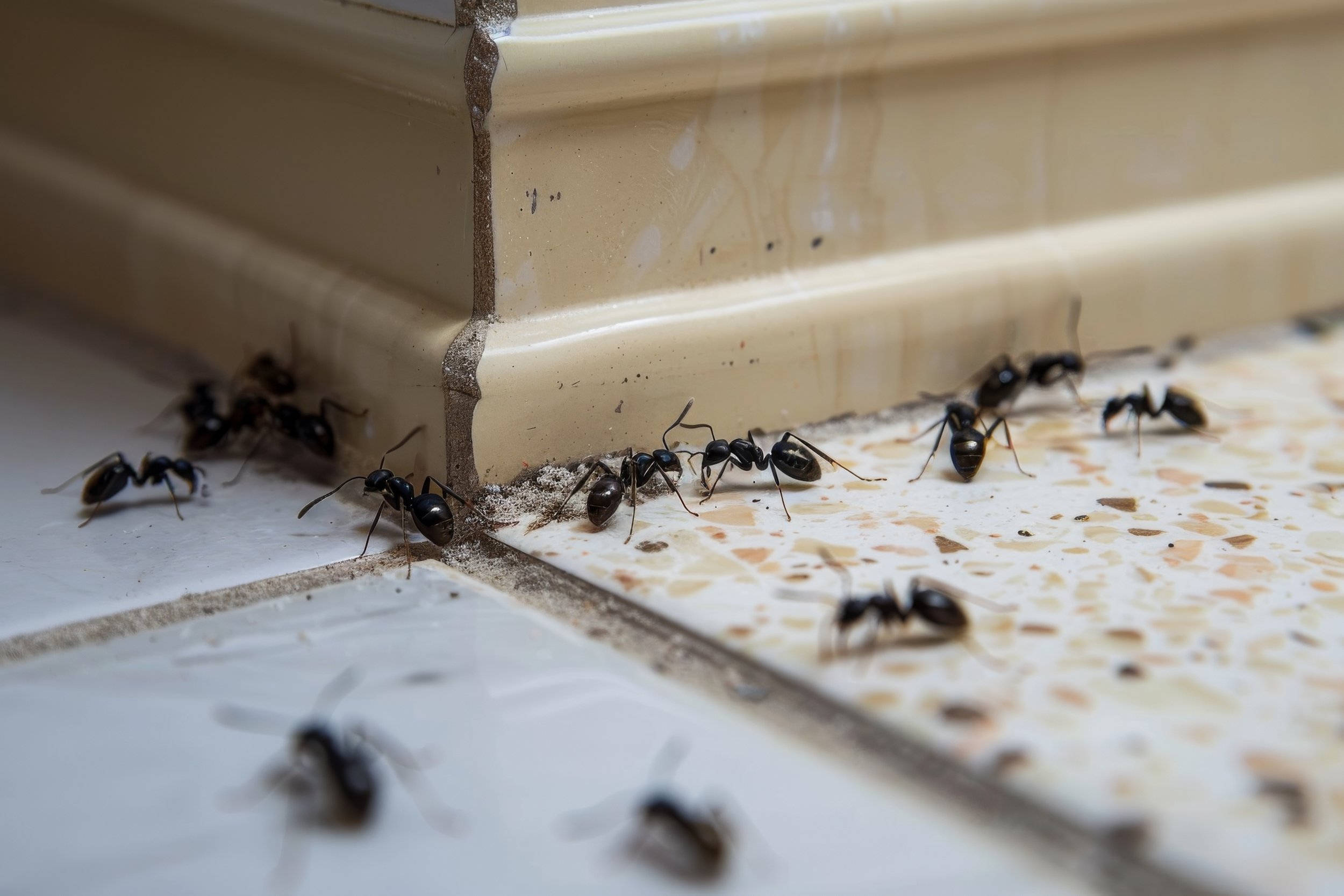
Ant trails usually point to a bigger source. We’ll identify what’s attracting them, target the activity, and help protect your property from repeat visits.
Call for same-day service
Ants We Treat
Go Pest-Free Today
Call for same-day service
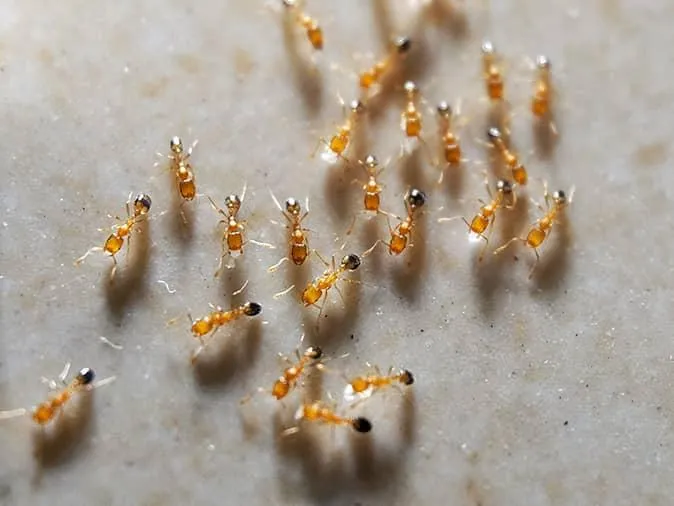
Pharaoh ants
Pharaoh ants are yellowish-brown and difficult to spot, measuring less than a tenth of an inch (about 2mm). Their colony structure consists of multiple scattered nests, complicating eradication efforts. Although their bites are typically mild, these ants are known to spread diseases.
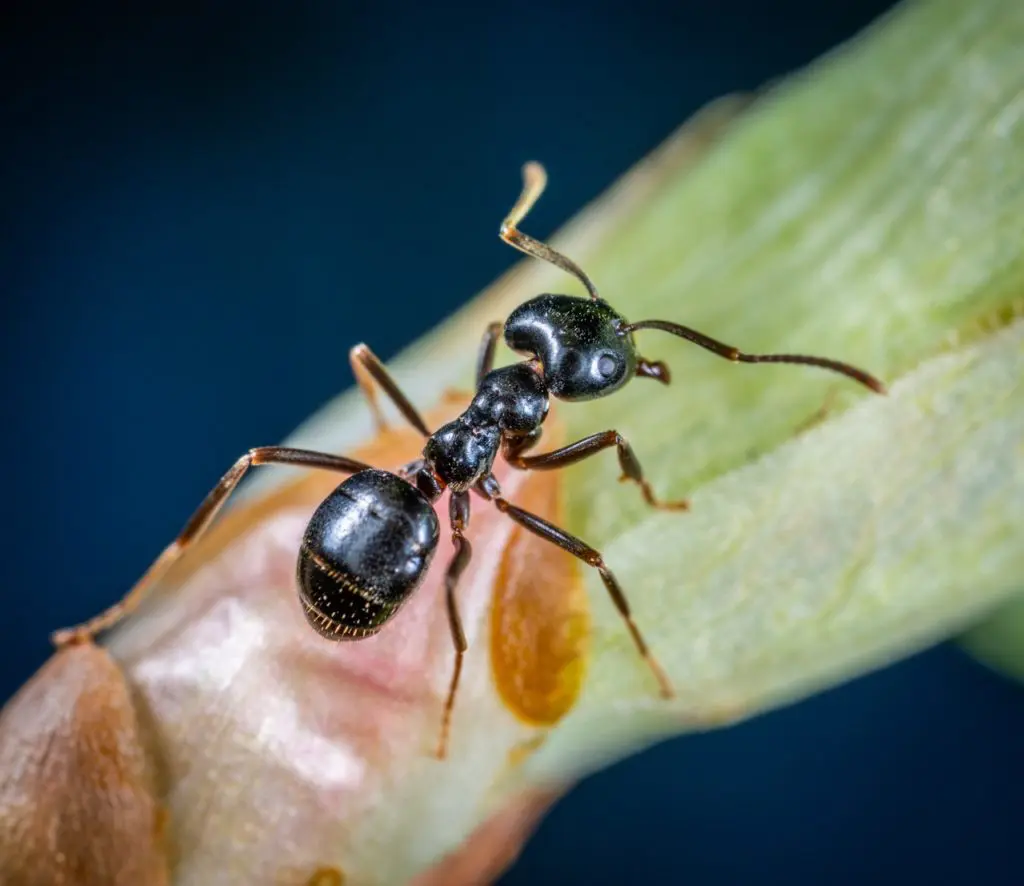
Pavement ants
Pavement ants are tiny, brownish-black ants (about 3mm long) named for their tendency to nest in pavement and sidewalk cracks. While they typically live outdoors, they enter cracks in foundations for food. Pavement ants can sting, but they are docile and unlikely to do so unless provoked. These stings are generally harmless, but some people may be allergic.
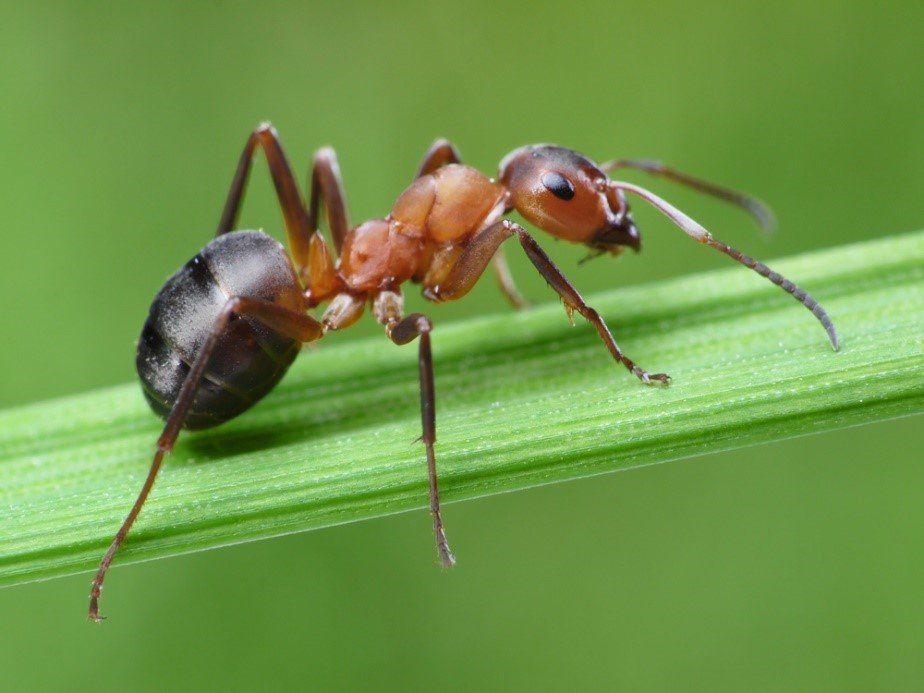
Carpenter ants
Carpenter ants are dark brown or black and measure a quarter of an inch to half an inch long. While most reside in decaying tree stumps and logs, weak building material in the home is also a perfect spot for them. Since they tunnel through wood to create their nests, they can damage your house over time. This species protects its nest and will bite if its home is threatened. Due to their size, these bites can potentially damage the skin. If the ant also uses a defensive chemical, the pain from the bite will last longer.
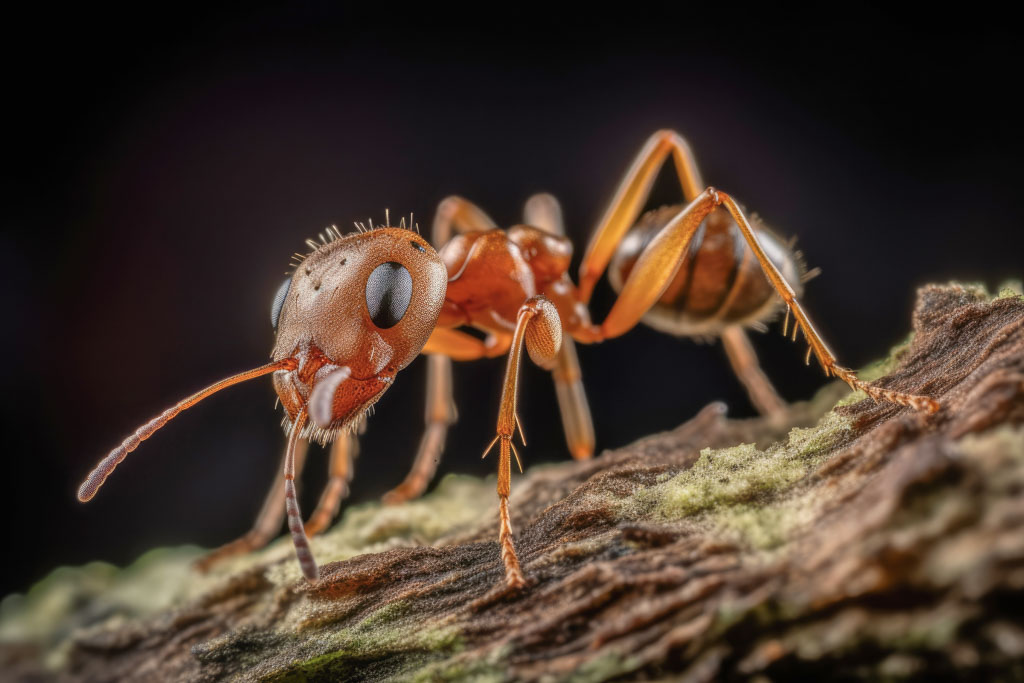
Argentine ants
Argentine ants are dark brown and about 3mm long. They thrive in moist areas such as mulch piles or water pipes. Despite not causing significant structural damage, this species is territorial and will bite if provoked. What makes Argentine ants so challenging to exterminate is that they work together with other ant species to create “super colonies,” the only way to get rid of them is by killing the queen.
Our Ant Control Process
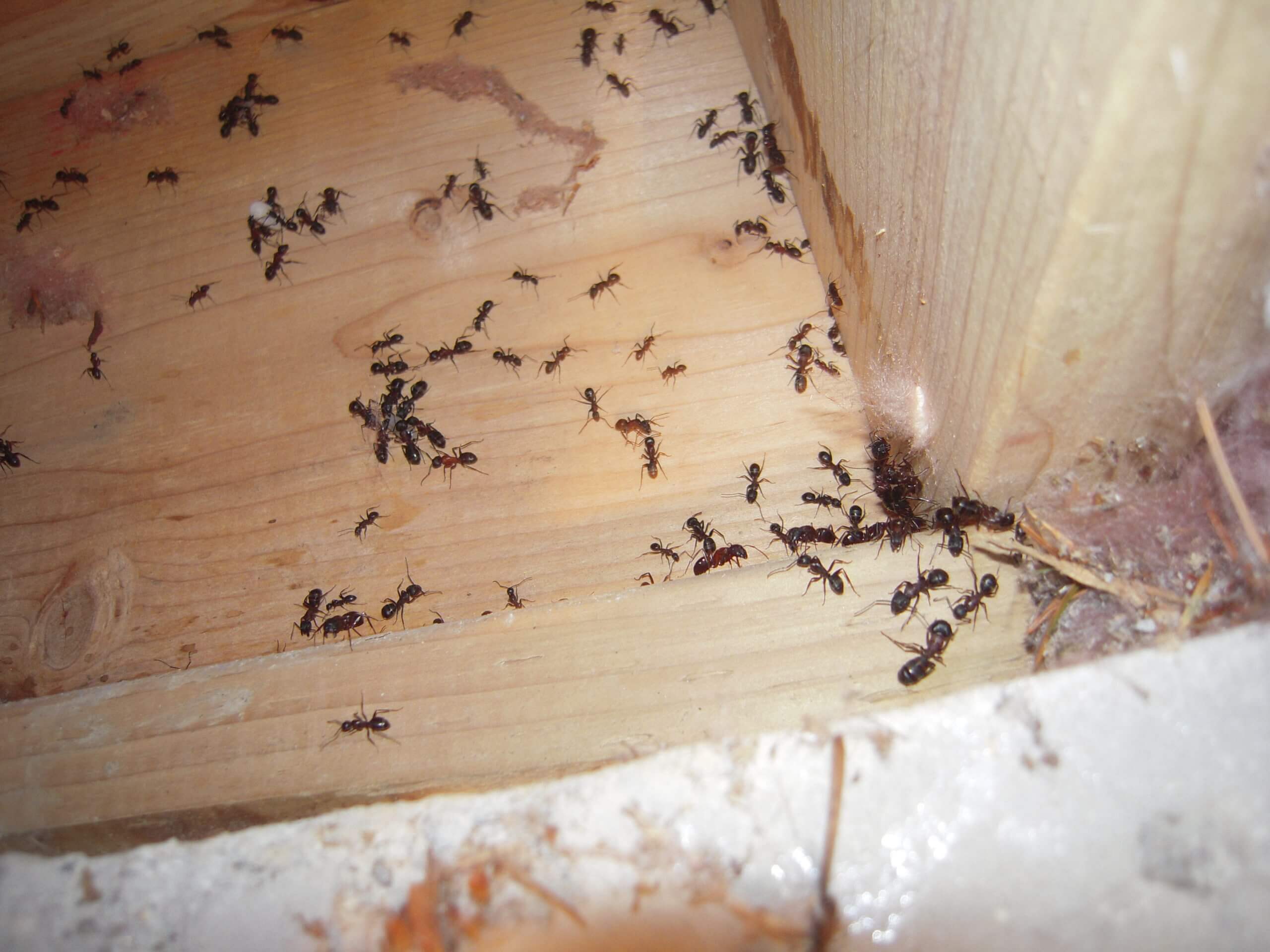
Ant inspection
Effective ant control begins with a thorough inspection. Our trained professionals identify active ant colonies, entry points, and the factors contributing to the infestation. We also check kitchens, bathrooms, and outdoor spaces. This inspection allows us to develop a custom treatment plan to target the specific ant species and address the root cause of the infestation.
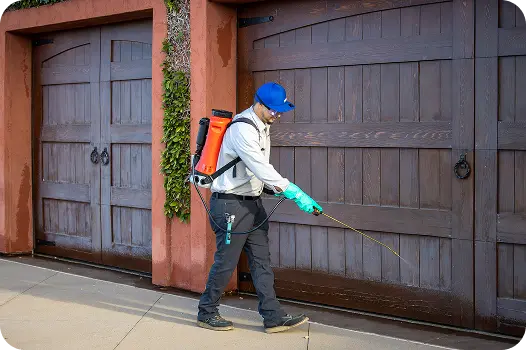
Initial ant treatment
Our initial treatment focuses on eliminating the active ant population. We use eco-friendly, safe products to target ants where they nest and breed. The treatment kills the ants you see and reaches the colony to prevent future outbreaks. We tailor the treatment to the specific type of ant species and the layout of your property to address areas where ants are thriving.
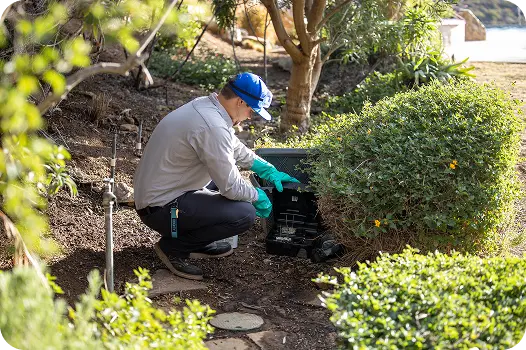
Follow-up barrier treatment
For long-term protection, we apply a follow-up barrier treatment around your property. This treatment creates a protective barrier to deter ants from returning and helps eliminate ants that survived the initial treatment. Our follow-up visits allow us to monitor the situation and adjust the treatment plan.
Call for same-day service
How much does pest control cost for ants?
The cost of professional pest control for ants can vary depending on the size of the infestation and the area to be treated. Generally, the average cost for a professional ant control service is between $150 to $300. For more accurate pricing, please contact us for a free quote tailored to your needs.
Should you call an exterminator if you see ants?
Yes. Since queens can produce up to 800 eggs daily, your ant population could increase quickly. Calling an exterminator like Simple Pest early can help prevent a full-blown infestation.
What are the signs of an ant infestation?
The most common sign of an ant infestation is seeing several crawling around your home. Other signs include spotting sawdust trails, ant mounds of soil and dirt, and discarded insect wings on the floors and windowsills.
Are ants harmful?
Yes. Most ant bites only cause mild discomfort, but those who are allergic may experience significantly worse symptoms. Whether you're allergic or not, exercise caution with these pests and call on the professionals to help with infestations.
What should you do if ants come into your home?
If you see many ants in your home or suspect that you have an ant problem, call a professional pest control service like Simple Pest. We will help identify the extent of the infestation, eliminate the current population, and take measures to prevent future infestations. In the meantime, keep your house clean by vacuuming crumbs and cleaning up spills.