

← Carmel Mountain Pest Control

Carmel Mountain Termite Control

Dealing With Termites?

Termites cause structural damage to California homes and most of it happens before anyone notices. Whether you’re buying or selling a property, protecting an existing home, or already seeing signs of damage, Simple Pest handles the full picture. Licensed inspections, written reports, and treatment coordinated start to finish.


What we cover:

• WDO Inspections (real estate + homeowner)
• Local & Spot Treatments
• Tent Fumigation
• Wood Repair & Replacement
Call for same-day service
TESTIMONIALS

Hear from our San Diego County customers

From families to local businesses — see why our community trusts Simple Pest to keep the pests out, for good.

Termites We Treat in Carmel Mountain
Go Pest-Free Today
Call for same-day service

Drywood Termites

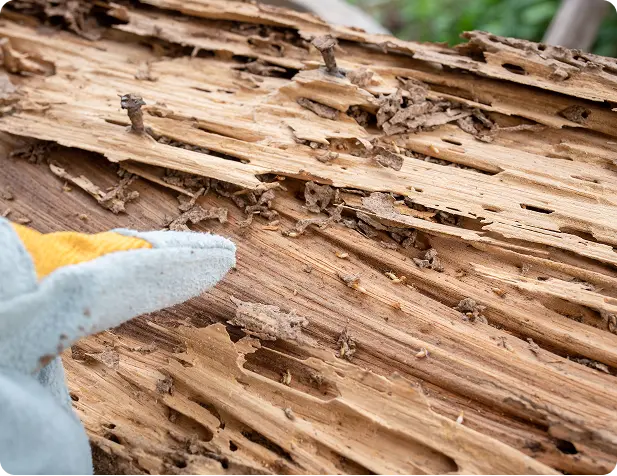
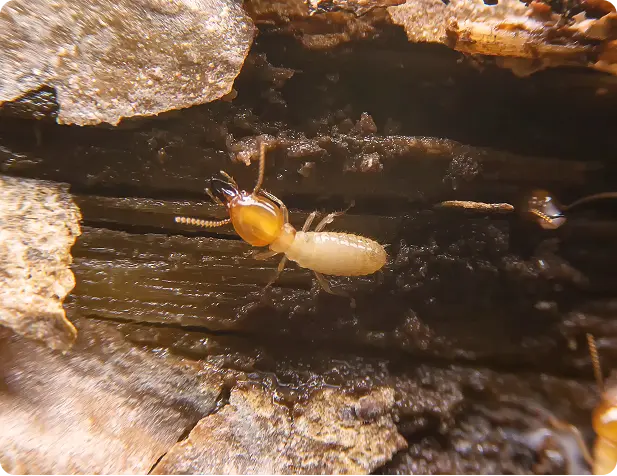
Drywood termites live entirely inside the wood they infest — no soil contact needed. They’re most common in coastal San Diego and can go undetected for years. The first signs are usually frass (fine sawdust-like droppings) near windowsills or door frames, or hollow-sounding wood. Widespread drywood infestations typically require whole-structure fumigation.
Subterranean Termites

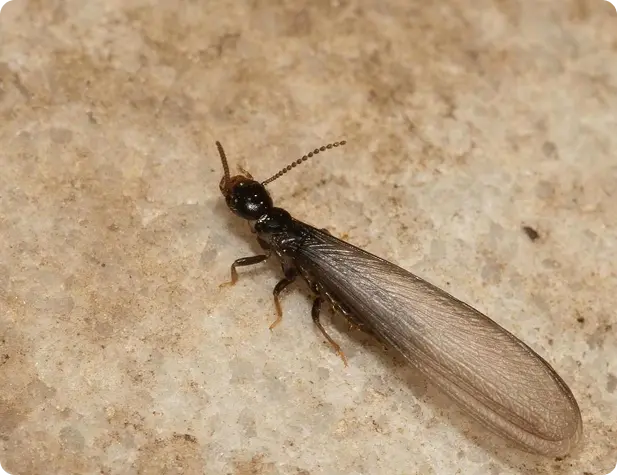
Subterranean termites live in the soil and travel to wood through mud tubes built along foundations and interior walls. They’re the most destructive termite species in California and are prevalent throughout Sacramento and inland San Diego. Because they stay hidden beneath surfaces, structural damage can be severe before any visible signs appear.

Why choose Simple Pest?

Clear Communication

We keep you informed every step of the way so you always know what to expect.

High Standards

Every technician arrives prepared and professional, committed to doing the job right.

Quick Responses

Our team is here to walk you through every step of the process, from start to finish.

Call for same-day service

Our Termite Control Process

1. Inspection

A licensed inspector walks the property and checks all accessible areas: subarea, attic, interior walls, window frames, eaves, and any areas with prior moisture history. Most inspections take 45 to 90 minutes.

2. Report

You get a clear written report with findings, recommendations, and pricing. No pressure, no upsell games.

3. Treatment

We schedule the right treatment for the situation. Local treatment, fumigation, or repair handled start to finish.

Why Choose Us?

Licensed & Insured

California Branches 2 & 3, fully insured for termite work


Real Estate Ready

NPMA-33 and 43M-41 reports for escrow, HUD, and VA transactions


Local Experts

San Diego and Sacramento crews who know the regional pest pressure

Call for same-day service
FAQ Center

Termite Control FAQs

Go Pest-Free Today
How do I know if I have termites?
The most common signs are hollow-sounding wood, small piles of frass near windowsills or doors, discarded wings along baseboards, and mud tubes running along your foundation or interior walls. Drywood termites tend to stay hidden inside wood, so frass and hollow wood are often the first clues. Subterranean termites build mud tubes to travel between soil and structure. If you're seeing any of these, get an inspection scheduled. The damage compounds over time.
What's the difference between subterranean and drywood termites?
Subterranean termites live in the soil and need ground contact to survive. They're the most destructive species in California and are common throughout Sacramento and inland San Diego. Drywood termites live entirely inside the wood they eat, don't need soil contact, and are more prevalent in coastal areas like San Diego. Each species requires a different inspection approach and treatment method, which is why the inspection always comes first.
Do I need to tent my house?
Not always. Whole-structure fumigation is the most effective treatment for widespread drywood termite infestations, but localized activity can often be addressed with targeted spot treatments. During the inspection we assess the species, the extent of the infestation, and the accessibility of affected areas. If a spot treatment will solve the problem, that's what we'll recommend.
How long does a termite inspection take?
Most residential inspections take between 45 and 90 minutes depending on the size of the property and how accessible the attic, subarea, and other inspection areas are. Larger or more complex properties may take longer. We won't rush the inspection. A thorough walkthrough is the whole point.
What's an NPMA-33 and when do I need one?
The NPMA-33 is the standard Wood Destroying Organism inspection report required in most real estate transactions. It documents findings from a licensed inspection and is required by most lenders including FHA, VA, and HUD as part of the escrow process. In California, the 43M-41 is the state-specific version. We issue both.
How much does termite treatment cost?
It depends on the type and extent of the infestation. A spot treatment costs significantly less than whole-structure fumigation, and wood repair scope varies by how much structural damage has occurred. We don't quote treatment costs over the phone because an accurate number requires an inspection first. We do provide a written report with specific recommendations and associated costs before any work is scheduled. No surprise invoices.

LIMITED TIME

First service only $97

SMS Consent(Required)