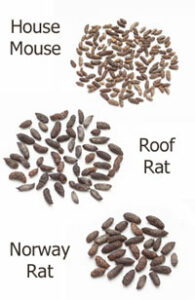


If you’re a California homeowner, you’ve likely heard scratching in the walls, found mysterious droppings in your garage, or discovered chewed wires behind your appliances. You’re not alone. Rodents are one of the most common pest problems across the Golden State, from the coastal communities of San Diego County to the agricultural heartland of Sacramento and beyond. The good news? With the right knowledge and techniques, you can rodent-proof your home and keep these unwanted guests outside where they belong.
At Simple Pest Management, we’ve helped thousands of California families protect their homes from rodent infestations. In this comprehensive guide, we’ll share everything you need to know about rodent-proofing your home, from identifying common entry points to choosing the right materials and knowing when it’s time to call in the professionals.
Why Rodent-Proofing Your California Home Matters
Rodent-proofing isn’t just about avoiding the unpleasant sight of a mouse scurrying across your kitchen floor. It’s about protecting your family’s health, safeguarding your property, and maintaining the value of your home. Here’s why taking proactive steps to exclude rodents is so important:
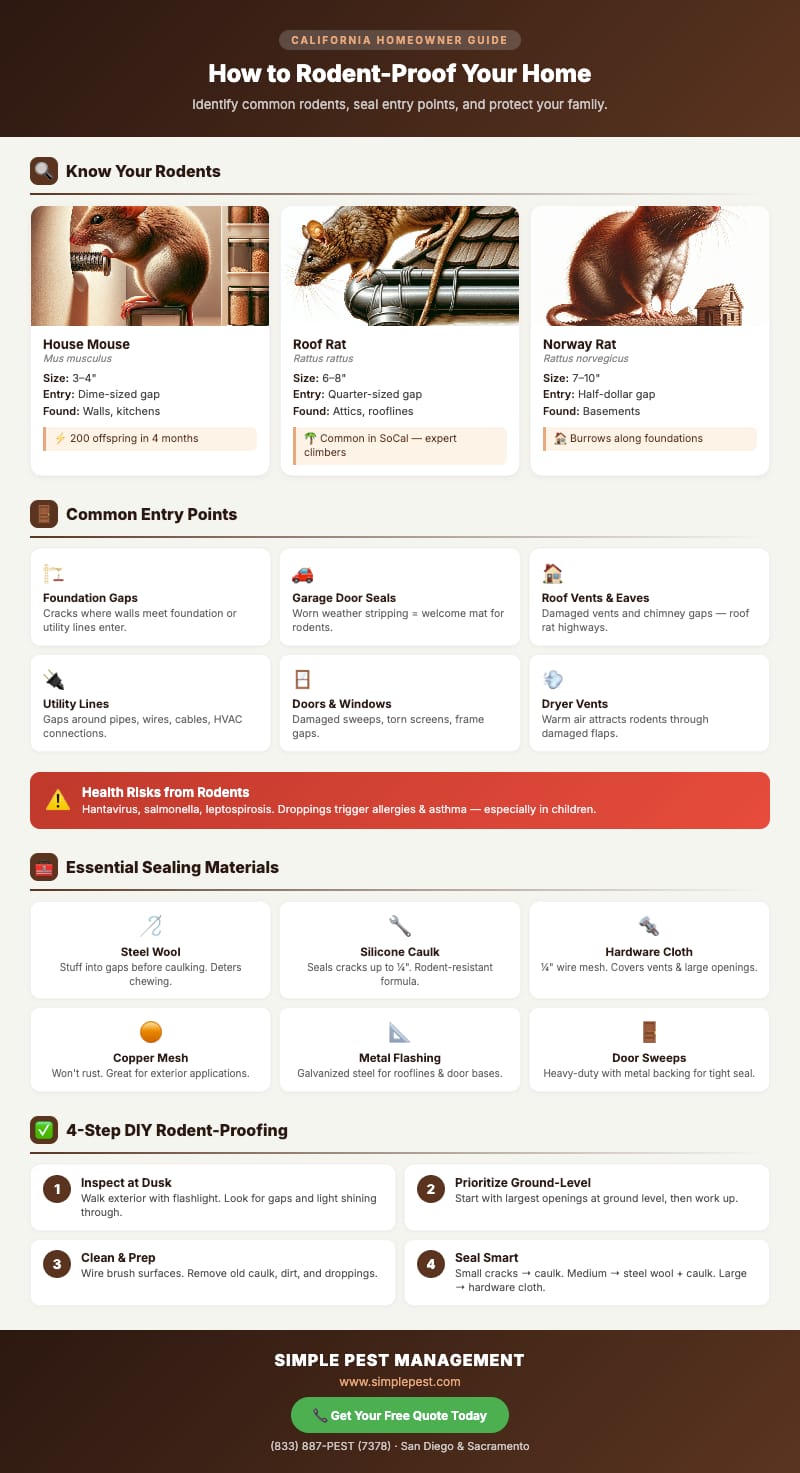
Health Risks: Mice and rats carry numerous diseases that can be transmitted to humans, including hantavirus, salmonella, and leptospirosis. Their droppings, urine, and dander can also trigger allergies and asthma symptoms, particularly in children. In areas like Riverside County, where warm temperatures allow rodent populations to thrive year-round, these health concerns are especially relevant.
Property Damage: Rodents have teeth that never stop growing, which means they must constantly gnaw on materials to keep them worn down. Unfortunately, this often means your electrical wiring, insulation, wooden structures, and even PVC pipes become their chewing targets. The damage can range from minor cosmetic issues to serious fire hazards caused by exposed wires.
Food Contamination: Once inside your home, rodents will seek out food sources. They can chew through cardboard boxes, plastic containers, and even thin metal to access stored food. Any food they contact becomes contaminated and must be discarded, leading to waste and additional grocery expenses.
Rapid Reproduction: A single pair of mice can produce up to 200 offspring in just four months under ideal conditions. What starts as a minor problem can quickly become a full-blown infestation if not addressed promptly. This is why prevention through rodent-proofing is always more effective than dealing with an established population.
Common Entry Points: Where Rodents Get Into California Homes
Understanding how rodents enter your home is the first step toward keeping them out. These clever creatures can squeeze through surprisingly small openings—mice can fit through gaps as small as a dime, while rats can enter through holes the size of a quarter. Here are the most common entry points we encounter in California homes:
Foundation Gaps and Cracks: Over time, concrete foundations can develop cracks and gaps where they meet the walls or where utility lines enter the home. These are prime entry points for rodents, especially in older homes throughout San Diego and Sacramento counties.
Garage Door Seals: Worn or damaged weather stripping around garage doors creates easy access for rodents. Many homeowners don’t realize that the gap between their garage door and the ground provides a welcome mat for mice and rats.
Roof Vents and Eaves: Roof rats, which are particularly common in Southern California, are excellent climbers. They often enter homes through damaged roof vents, gaps in eaves, or openings around chimneys. In Placer County’s foothill communities, where homes often border natural areas, roof rats frequently use overhanging tree branches as highways to access rooftops.
Utility Penetrations: Anywhere pipes, wires, or cables enter your home is a potential entry point. This includes electrical conduits, plumbing pipes, cable and internet lines, and HVAC connections. Even small gaps around these penetrations can allow rodents inside.
Doors and Windows: Damaged door sweeps, torn screens, and gaps around window frames all provide opportunities for rodent entry. This is especially common in homes with older or poorly maintained doors and windows.
Dryer Vents: Dryer vents that lack proper covers or have damaged flaps are common entry points. The warm air escaping from dryers can actually attract rodents, especially during cooler months.
DIY Sealing Techniques: How to Rodent-Proof Your Home Yourself
Many rodent-proofing tasks can be accomplished by handy homeowners with the right materials and techniques. Here’s a step-by-step approach to sealing your home against rodent intrusion:
Step 1: Conduct a Thorough Inspection
Walk around your home’s exterior and interior, looking for any gaps, cracks, or holes. Pay special attention to the areas mentioned above. It helps to do this inspection at dusk with a flashlight—you may be able to see light shining through gaps from inside your garage or basement. Take notes or photos of every potential entry point you find.
Step 2: Prioritize Your Repairs
Start with the largest and most accessible openings, then work your way to smaller gaps. Ground-level entry points should typically be addressed first, as these are the most commonly used by mice. Roof-level openings can be addressed next if you’re comfortable working at heights.
Step 3: Clean and Prepare Surfaces
Before sealing any gap, clean the area thoroughly. Remove dirt, debris, old caulk, and any rodent droppings. Use a wire brush to clean rough surfaces like concrete or brick. Proper surface preparation ensures that sealants and other materials adhere properly and create a lasting barrier.
Step 4: Apply Appropriate Materials
Different gaps require different sealing approaches. Small cracks can be filled with caulk alone, while larger openings need to be stuffed with steel wool or covered with hardware cloth before being sealed. We’ll cover specific materials in detail in the next section.
Essential Materials for Rodent-Proofing
Using the right materials is crucial for effective rodent exclusion. Here are the most effective products for keeping rodents out of your California home:
Steel Wool: Steel wool is one of the most effective materials for blocking rodent entry points. Rodents dislike chewing through it because the metal fibers irritate their mouths and can cause injury. Use coarse or medium-grade steel wool to stuff into gaps before sealing with caulk. For best results, pack the steel wool tightly so rodents can’t push it aside. Note that steel wool can rust over time, so it’s best used in areas protected from moisture or in combination with other materials.
Caulk and Sealant: Silicone caulk is excellent for sealing small cracks and gaps up to about a quarter inch wide. For larger gaps, use an expanding foam sealant first, then cover with caulk. Some manufacturers make rodent-resistant caulk that contains materials rodents find unpleasant to chew. These products are particularly useful around utility penetrations and along foundation lines.
Hardware Cloth: Hardware cloth is a welded wire mesh that comes in various gauges and opening sizes. For rodent exclusion, use hardware cloth with openings no larger than one-quarter inch. This material is ideal for covering vents, screening foundation openings, and creating barriers over larger gaps. Unlike regular window screening, hardware cloth is sturdy enough that rodents cannot chew through it. Secure hardware cloth with screws and washers rather than staples for a more permanent installation.
Copper Mesh: Copper mesh works similarly to steel wool but doesn’t rust, making it ideal for exterior applications and areas exposed to moisture. It’s also more visually appealing than steel wool, which matters for gaps in visible areas. Stuff copper mesh into gaps and seal over it with caulk or foam.
Metal Flashing: For larger gaps, particularly along rooflines and at the base of doors, metal flashing provides a durable, rodent-proof barrier. Galvanized steel or aluminum flashing can be cut to size and secured over openings that are too large for caulk or mesh alone.
Door Sweeps and Weather Stripping: Replace worn door sweeps with heavy-duty versions that create a tight seal against the threshold. For garage doors, consider installing rubber or vinyl weather stripping along the bottom and sides. Some door sweeps are specifically designed for rodent exclusion and feature metal backing or brush bristles.
Professional Rodent Exclusion Services: What the Pros Offer
While many rodent-proofing tasks can be DIY projects, professional exclusion services offer several advantages that make them worth considering, especially for complex situations or when dealing with an active infestation.
Comprehensive Inspection: Professional pest control technicians are trained to identify entry points that homeowners often miss. They know where to look and can spot subtle signs of rodent activity, such as rub marks, gnaw marks, and droppings that indicate specific entry and travel routes.
Specialized Equipment: Professionals have access to specialized tools and materials that aren’t readily available to consumers. This includes commercial-grade sealants, professional exclusion devices, and equipment for safely accessing difficult areas like attics, crawl spaces, and rooflines.
Warranty and Follow-Up: Reputable pest control companies back their exclusion work with warranties. If rodents find a way back in through an area that was sealed, the company will return to address the issue at no additional cost. This peace of mind is valuable, especially for homeowners who’ve struggled with recurring rodent problems.
Integrated Approach: Professional services typically combine exclusion with other pest management strategies, including trapping, baiting, and sanitation recommendations. This integrated approach addresses both the immediate problem and helps prevent future infestations.
When to Call a Professional: Signs You Need Expert Help
While DIY rodent-proofing can be effective for prevention and minor issues, certain situations call for professional intervention. Here are the signs that it’s time to pick up the phone:
Active Infestation: If you’re seeing rodents regularly, finding fresh droppings daily, or hearing noises in your walls or attic, you likely have an active infestation that requires professional treatment. Sealing entry points while rodents are still inside can trap them in your home, making the problem worse.
Recurring Problems: If you’ve attempted DIY rodent-proofing but continue to have issues, professionals can identify entry points you may have missed and implement more effective exclusion measures.
Difficult Access Areas: Entry points in attics, crawl spaces, or high on rooflines can be dangerous to access without proper equipment and training. Professional technicians have the safety gear and experience to work in these areas safely.
Structural Damage: If rodents have caused significant damage to your home’s structure, wiring, or insulation, you’ll need professional assessment and repair beyond simple exclusion work.
Health Concerns: Large accumulations of rodent droppings, especially in enclosed spaces like attics, can pose serious health risks. Professional remediation may be necessary to safely clean and sanitize affected areas.
New Home Purchase: If you’re buying a home, especially an older property, a professional rodent inspection and exclusion service can identify and address potential issues before they become your problem.
Protect Your California Home Today
Rodent-proofing your home is one of the most effective ways to protect your family’s health, preserve your property, and maintain peace of mind. Whether you tackle the project yourself or enlist professional help, the investment in exclusion pays dividends for years to come.
At Simple Pest Management, we’ve been helping California homeowners keep rodents out for over two decades. Our team serves communities throughout San Diego, Sacramento, Riverside, and Placer counties, providing thorough inspections, expert exclusion services, and ongoing protection plans.