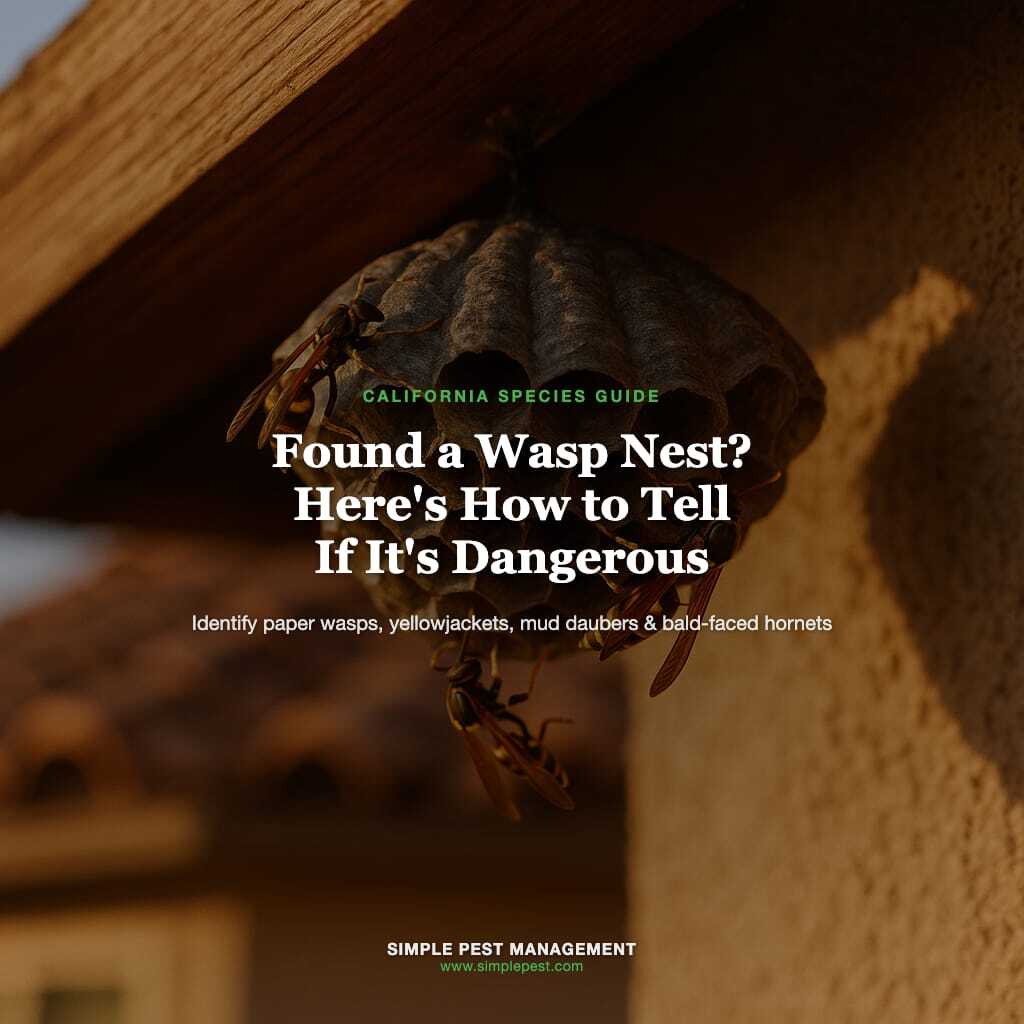






As winter’s grip loosens and temperatures begin to rise across California, homeowners face a familiar challenge: the annual emergence of spring pests. From San Diego’s coastal communities to Sacramento’s valley homes, Riverside’s inland properties to Placer County’s foothill residences, spring signals the start of increased pest activity. Understanding what pests emerge during this season and how to prepare your home can mean the difference between a peaceful spring and months of frustrating infestations.
Why Spring Is the Critical Season for Pest Prevention
Spring in California represents a perfect storm of conditions that favor pest proliferation. After months of cooler temperatures and winter rains, the warming weather triggers biological responses in countless insect and rodent species. Pests that have been dormant or hiding in protected areas suddenly become active, seeking food, water, and new nesting sites.
The timing couldn’t be more important for homeowners. Pest populations that go unchecked in spring can explode into major infestations by summer. A single ant colony that establishes itself in March can produce thousands of workers by June. Similarly, a few overwintering spiders can lay egg sacs containing hundreds of offspring that will hatch as temperatures climb.
California’s Mediterranean climate makes spring pest prevention particularly crucial. Unlike regions with harsh winters that naturally reduce pest populations, our mild temperatures allow many species to survive year-round. This means that spring doesn’t just bring new pests—it activates existing populations that have been waiting for optimal conditions.
Common Spring Pests in California
Ants: The Springtime Invaders
Argentine ants are perhaps the most notorious spring pest in California. These tiny, persistent insects form massive colonies that can stretch for miles. As spring rains saturate the soil, these ants are driven toward higher ground—often directly into your home. Sacramento and Riverside homeowners frequently report sudden ant invasions following early spring showers.
Carpenter ants also become increasingly active in spring. Unlike Argentine ants, carpenter ants don’t just forage for food—they excavate wood to create their nests. Spring is their prime mating season, and you may notice large, winged carpenter ants emerging from established colonies. Seeing these swarmers indoors is a strong indicator of an existing infestation that requires immediate attention.
Termites: Silent Spring Destroyers
Subterranean termites launch their annual mating flights in spring, typically after warm rain events. These swarms can number in the thousands and are often the first sign homeowners notice of a termite presence. In San Diego and Riverside counties, termite swarms are common from February through May.
Drywood termites, more prevalent in coastal areas, also increase their activity as temperatures rise. Unlike their subterranean cousins, drywood termites don’t need soil contact and can establish colonies directly in wooden structures. Spring inspections are essential for catching these destructive pests before they cause significant damage.
Spiders: Web Builders Emerge
California is home to numerous spider species, including the potentially dangerous black widow and brown recluse. Spring warmth brings spiders out of their winter hiding spots in search of prey. As insect populations boom, spider populations follow suit. You’ll notice increased web-building activity around your home’s exterior, in garages, and in undisturbed indoor areas.
While most spiders are beneficial predators, their presence can indicate broader pest issues. An abundance of spiders typically means an abundance of the insects they feed upon. Addressing the underlying pest population often naturally reduces spider numbers.
Rodents: Spring Breeding Season
Mice and rats that sought shelter in homes during winter become more active in spring. This is prime breeding season for rodents, and a single pair of mice can produce dozens of offspring within months. In Placer County’s rural areas and Sacramento’s suburban neighborhoods, roof rats and Norway rats pose significant spring challenges.
Spring is when rodents begin expanding their territories and establishing new nesting sites. They’re also more likely to venture into new areas of your home searching for food and materials for nest building. Early intervention is crucial to prevent population explosions.
Mosquitoes: Early Season Emergence
California’s spring rains create countless breeding opportunities for mosquitoes. Standing water in gutters, plant saucers, birdbaths, and low-lying areas becomes prime mosquito habitat. In San Diego’s coastal areas and Sacramento’s delta region, mosquito populations can surge dramatically following wet spring weather.
Spring mosquito prevention is essential not just for comfort but for health. California mosquitoes can transmit West Nile virus and other diseases. Eliminating breeding sites before summer arrives significantly reduces mosquito pressure throughout the warmer months.
How to Prepare Your Home for Spring Pests
Exterior Inspection and Maintenance
Begin your spring pest prevention by thoroughly inspecting your home’s exterior. Walk around the perimeter and look for potential entry points. Pay special attention to:
● Foundation cracks and gaps where pipes or wires enter the home
● Damaged or missing weather stripping around doors and windows
● Torn or missing screens on windows, vents, and doors
● Gaps around utility penetrations such as air conditioning lines
● Damaged soffit and fascia that could allow pest entry
Seal any openings you find using appropriate materials. Caulk works well for small gaps, while steel wool combined with caulk is effective for larger openings that need to exclude rodents. Expanding foam can fill irregular gaps but should be trimmed and painted to prevent degradation.
Yard and Landscape Management
Your yard can either attract pests or discourage them—proper spring maintenance makes the difference. Start by removing leaf litter, fallen branches, and debris that accumulated over winter. These materials provide shelter for countless pests and should be cleared away from your foundation.
Trim vegetation so that it doesn’t contact your home’s exterior. Branches and shrubs touching the house create pest highways directly to your walls and roof. Maintain a vegetation-free zone of at least 18 inches around your foundation.
Address drainage issues that create standing water. Clean gutters and downspouts to ensure proper water flow. Grade soil away from your foundation to prevent water accumulation. Eliminate any containers, old tires, or debris that could collect rainwater and become mosquito breeding sites.
Interior Preparation
Spring cleaning isn’t just about appearance—it’s about pest prevention. Deep clean kitchens and pantries, paying special attention to areas where crumbs and spills accumulate. Clean behind and under appliances where food debris often collects unnoticed.
Organize storage areas, particularly garages, basements, and attics. Replace cardboard boxes with plastic containers that pests cannot easily penetrate. Eliminate clutter that provides hiding spots for spiders, rodents, and insects.
Inspect stored items that have been undisturbed over winter. Look for signs of pest activity including droppings, gnaw marks, shed skins, and damaged materials. Address any infestations immediately before they spread.
Moisture Control
Many pests are attracted to moisture, making water management a key component of spring pest prevention. Repair any leaking pipes, faucets, or fixtures promptly. Ensure proper ventilation in bathrooms, kitchens, and laundry areas to prevent condensation.
In crawl spaces and basements, check for moisture intrusion following spring rains. Consider installing or upgrading vapor barriers and ensuring adequate ventilation. Dehumidifiers can help maintain appropriate moisture levels in problem areas.
Food Storage and Sanitation
Proper food storage denies pests the resources they need to thrive. Store pantry items in sealed glass or plastic containers rather than original packaging. Keep fruit in the refrigerator rather than on counters where it attracts fruit flies and ants.
Don’t forget about pet food, which is highly attractive to ants, roaches, and rodents. Store pet food in sealed containers and avoid leaving food bowls out overnight. Clean feeding areas regularly to remove spilled food and crumbs.
Professional Inspection: Your Best Defense
While DIY prevention measures are valuable, professional inspection provides a level of expertise and thoroughness that’s difficult to achieve on your own. Trained pest management professionals know where to look, what to look for, and how to identify early warning signs that homeowners often miss.
A professional spring inspection can identify termite damage, rodent entry points, and conducive conditions before they become costly problems. Professionals also have access to specialized tools and treatments that aren’t available to consumers.
For homeowners across California’s diverse regions—from San Diego’s coastal properties to Sacramento’s suburban homes, Riverside’s desert-edge communities to Placer County’s mountain-adjacent residences—spring represents both a challenge and an opportunity. By taking proactive steps now, you can protect your home from the pest pressures that intensify throughout the warmer months.