


Ants can be a major nuisance in your home, but before you can get rid of them, you need to figure out where they’re coming from. Determining the source of an ant infestation is key to effective ant control.
In this guide, we’ll walk you through the steps to identify the root cause of your ant problem and how to stop these pests at the source.
Key Takeaways
- Finding the source of an ant infestation is the first step to removing ants and keeping them from returning.
- Following ant trails and locating their nest helps identify entry points and stop ants from spreading indoors.
- Eliminating food, sealing entry points, and using baits are key steps to controlling and preventing infestations.
- Monitoring for new activity and calling a professional if needed ensures long-term ant control and protection.
1. Identify the Type of Ant
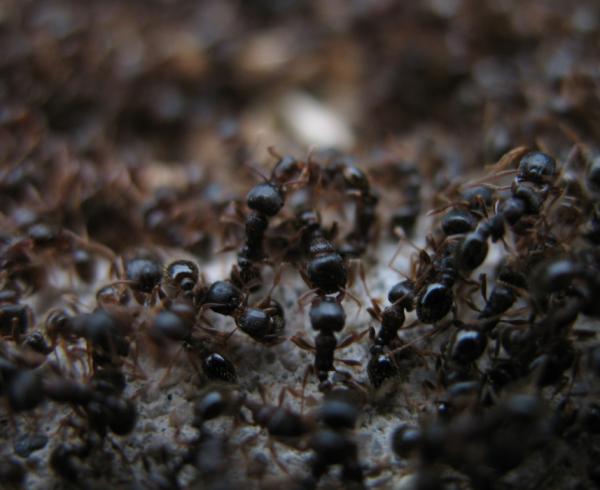
Different species of ants have different behaviors and nesting preferences. Common ant species in homes include:
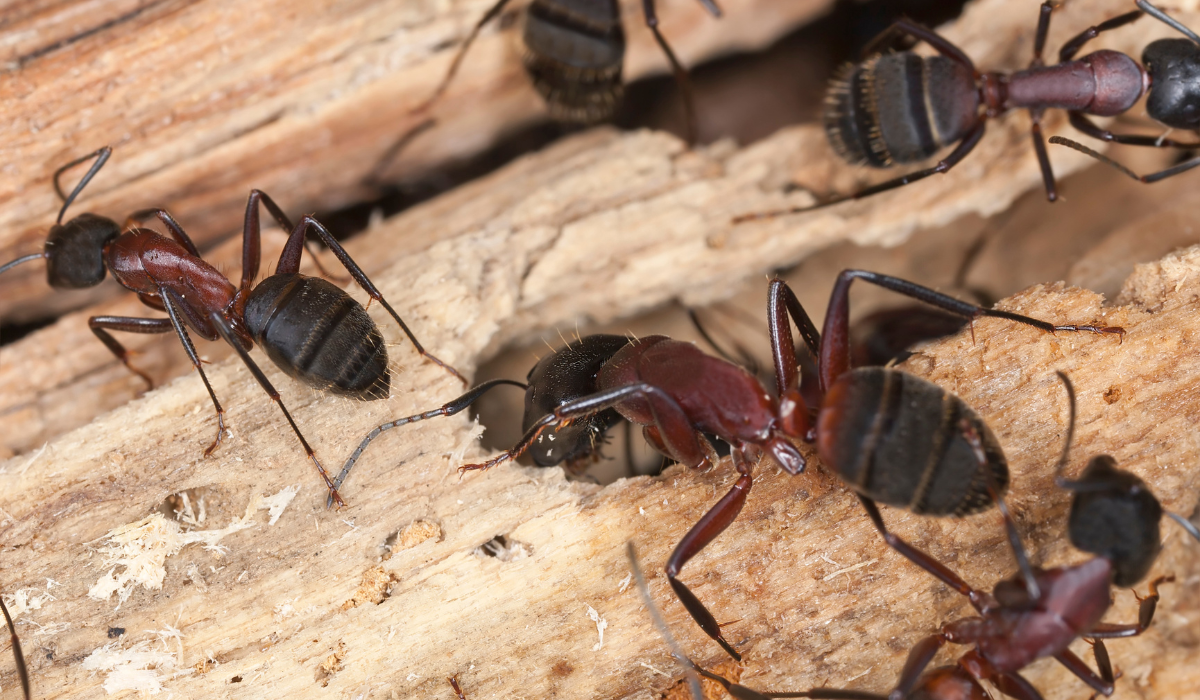
- Carpenter ants
- Pavement ants

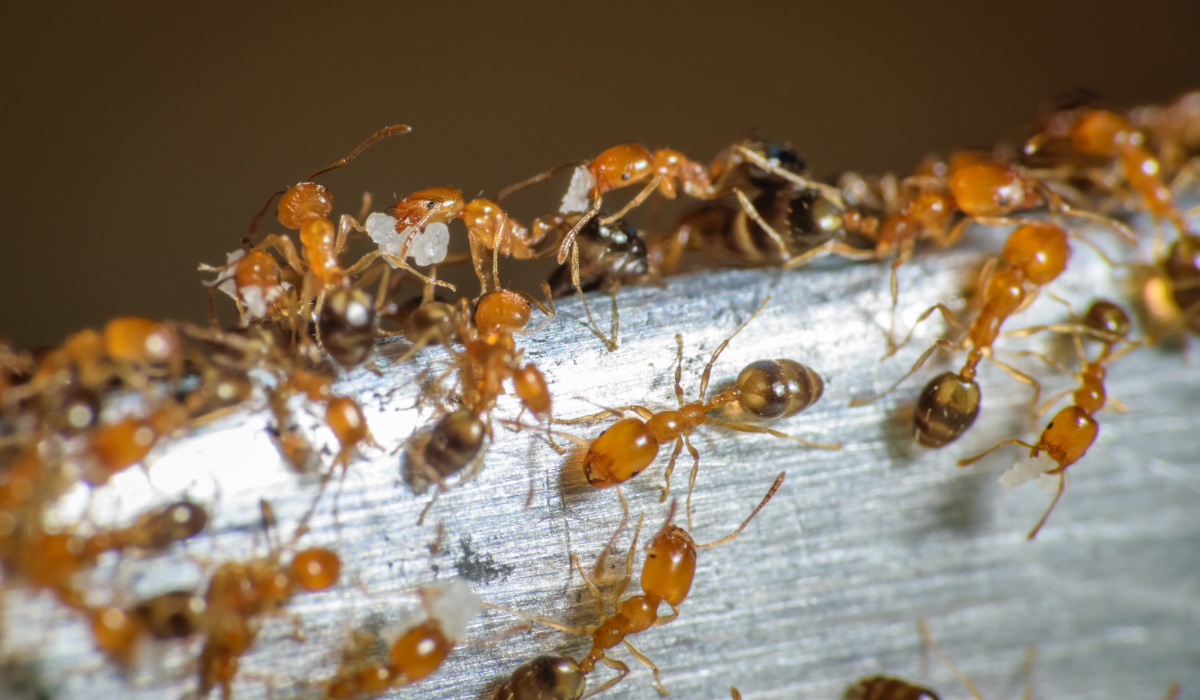
- Pharaoh ants
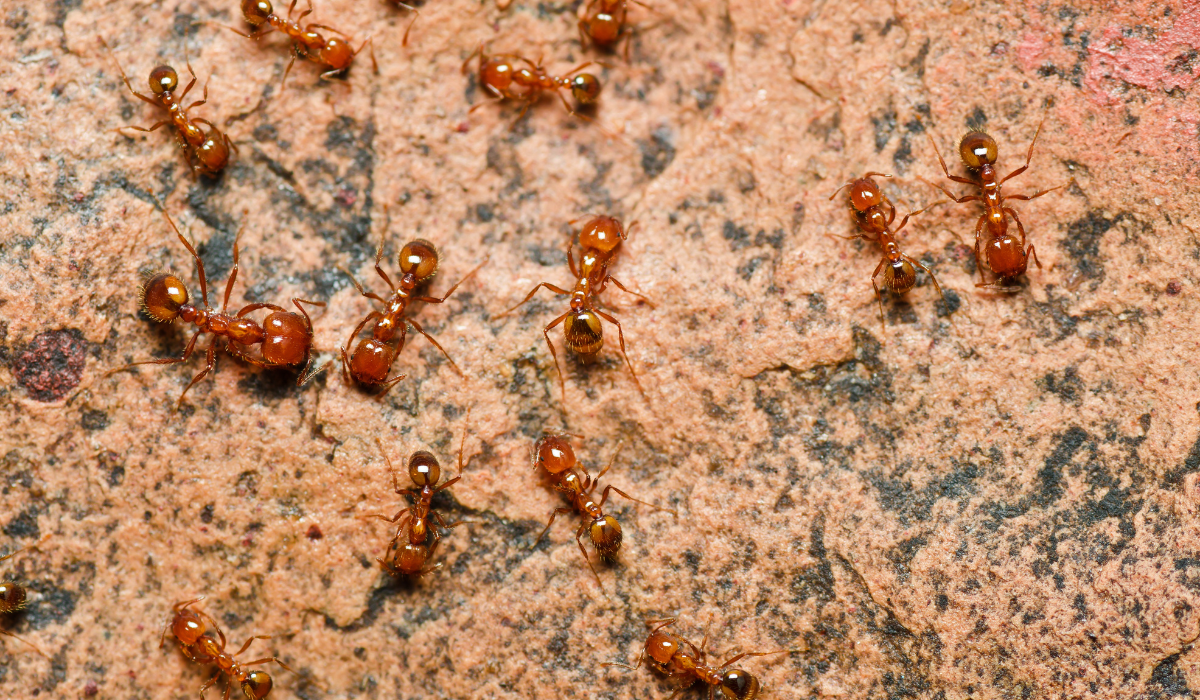
- Fire ants
- Black ants

Check for distinguishing features like color, size, and nesting habits to help identify your unwanted guests.
2. Follow the Ant Trails
Ants leave behind invisible pheromone trails that help others find food and water.
To track their source, watch their movement—are they heading toward your kitchen counter, pantry, or pet food bowls?
If they’re emerging from crevices near floorboards, crawlspaces, window frames, or baseboards, those could be entry points.
Follow their trail back.
If they’re slipping through a crack, that’s likely where they’re getting in. If they vanish behind a wall, their nest may be inside.
Identifying these trails is key to stopping the infestation.
Pro Tip: Sprinkle a small amount of peanut butter or sugar along an ant trail and check back in a few hours to see where the majority of ants are traveling.
3. Locate the Ant Nest
Once you’ve followed the ant trails, the next step is to find their nest.
Inside, floorboards, baseboards, and window frames are common hiding spots, and if they’re inside walls or attics, you might see sawdust or dead ants near small cracks.
Outside, look around the foundation, driveways, and sidewalks, as well as in mulch, woodpiles, and under rocks or logs.
Some species, like fire ants and pavement ants, build visible ant hills in soil, lawns, or along sidewalks, which can help pinpoint their nesting site.
Carpenter ants, on the other hand, prefer damp or rotting wood, so watch for sawdust piles near wooden structures.
4. Eliminate Food and Water Sources
Ants are drawn to food and moisture, so eliminating these attractants is key.
Store food sources in airtight containers, clean up spills and crumbs immediately, and fix leaks under sinks or appliances. Keep pet food sealed, and avoid leaving it out overnight. Take out the trash regularly and keep trash cans sealed.
5. Seal Entry Points
Sealing entry points is key to keeping ants out.
Use caulk or silicone to close cracks around doors, windows, and baseboards. Replace weather stripping and seal gaps around pipes and vents.
For extra protection, apply diatomaceous earth near entry points where ants might enter naturally.
6. Know How to Get Rid of Ants with Baits
Once you find the source, bait is the best way to eliminate the ant colony.
Choose a bait that matches the ants’ preferences—some species prefer sweet baits, while others are drawn to protein-based options like peanut butter. Place bait stations along trails so worker ants can carry the bait back to the colony.
Be patient, as this type of ant killer takes time to work.
Popular options like Terro and borax-based ant baits are effective for most species.
7. Monitor and Prevent Future Infestations
After treating an infestation, keep an eye out for new activity.
Ants are often drawn to aphids, which produce honeydew, so check your plants and remove aphids to reduce attraction. Trim vegetation near your home to limit access points.
For a DIY solution, use repellents like peppermint oil or vinegar sprays along entry points. If the infestation persists, calling a professional pest control service may be the best way to ensure long-term ant control.
When to Call a Professional
If you’ve followed these steps and still have an ongoing ant invasion, it may be time to contact a pest control company. Professional exterminators can:
- Identify the ant species and customize a treatment plan.
- Locate hidden ant nests that are difficult to access.
- Use advanced pest control solutions for severe infestations.
At Simple Pest Management, we provide expert ant control services in California, helping homeowners eliminate ants for good.
Need help with an ant problem?
Contact us now for professional pest control!