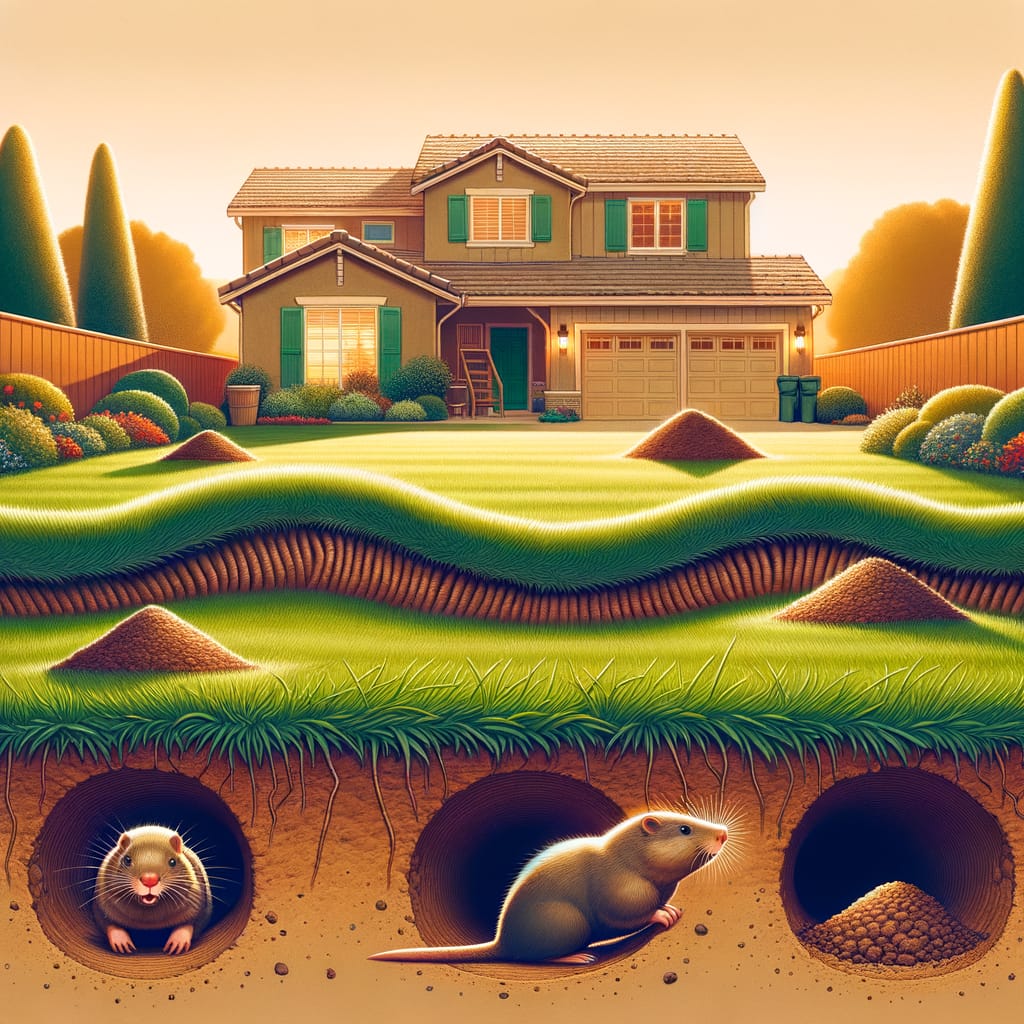


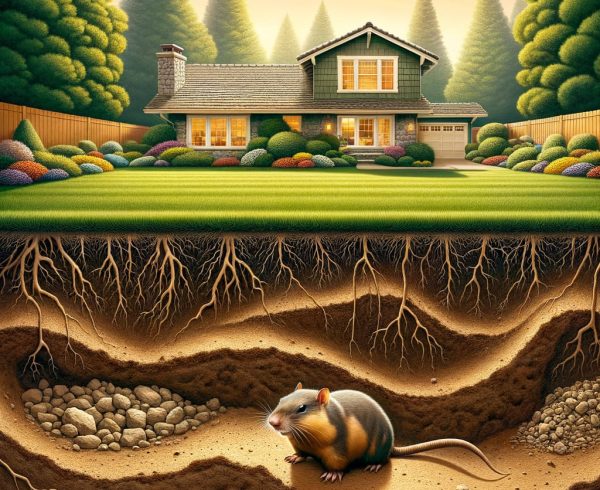


You step outside on a crisp California morning, coffee in hand, only to discover your once-pristine lawn has been transformed overnight into a minefield of dirt mounds. If this scene sounds painfully familiar, you’re dealing with gophers—and you’re certainly not alone. Across San Diego, Sacramento, Riverside, and Placer counties, thousands of homeowners are waking up to the same frustrating reality every year. These industrious underground excavators can turn a beautiful yard into a disaster zone faster than you might think possible.
But what’s driving this destruction? Why does gopher damage seem to spike during certain times of the year? And most importantly, what can you actually do about it? Let’s dig in—pun intended—and uncover everything you need to know about protecting your California property from these persistent pests.
Why Gophers Are Especially Active During California Winters
Unlike many pests that slow down during the cooler months, gophers actually thrive in California’s winter conditions. Understanding why can help you stay one step ahead of these underground invaders.
The secret lies in the soil. When California’s rainy season arrives—typically between November and March—the ground becomes softer and more workable. This moist soil is significantly easier for gophers to tunnel through compared to the hard, sun-baked earth of summer. Think of it like the difference between digging through wet sand versus compacted clay. For gophers, winter rain is essentially nature’s invitation to expand their underground empire.
Here’s what makes winter particularly problematic for California homeowners:
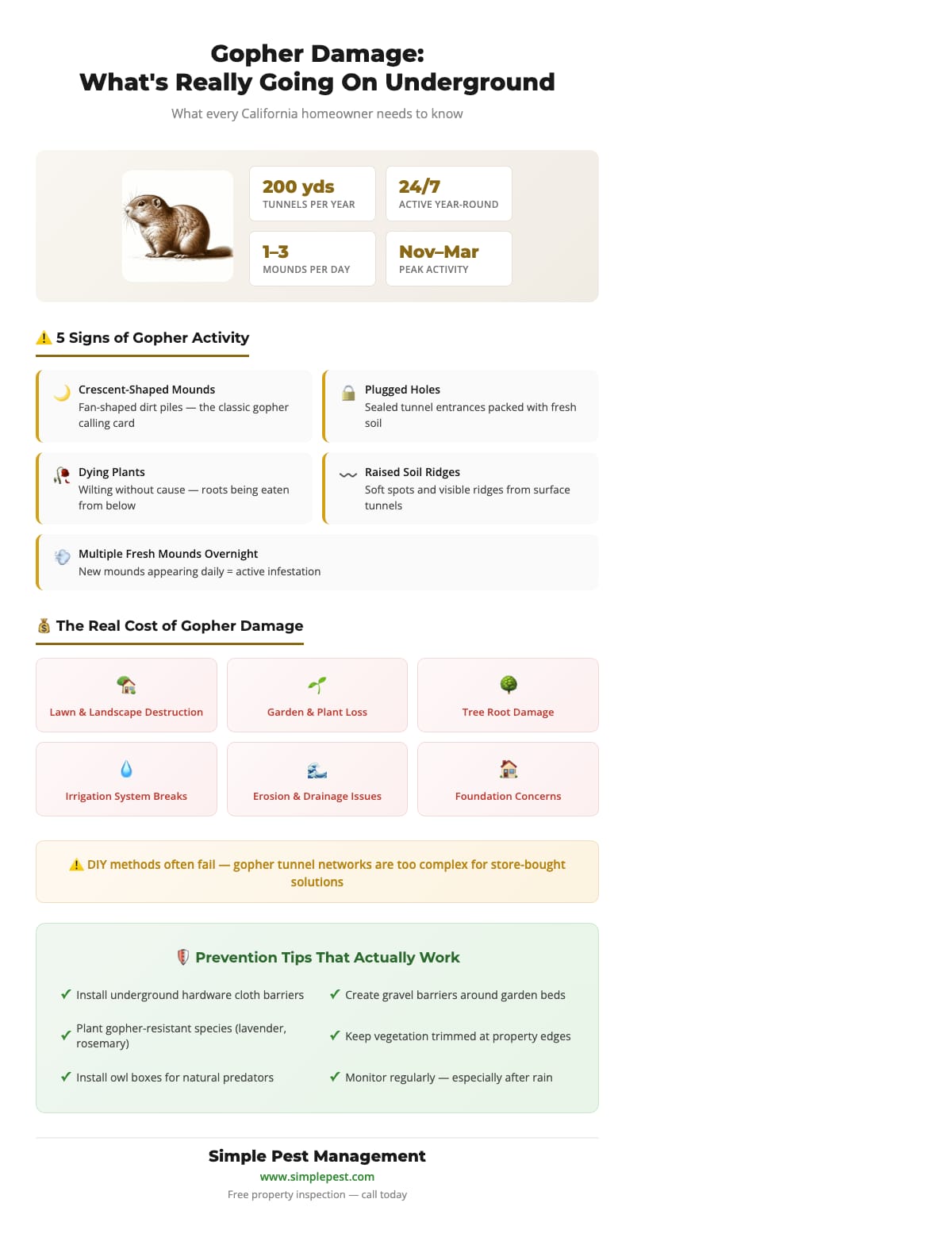
Accelerated tunneling: Gophers can dig up to 200 yards of tunnels in a single year, and that rate increases dramatically when soil conditions are favorable.
Year-round activity: Unlike some rodents, gophers don’t hibernate. They’re active 24/7, 365 days a year, continuously expanding their tunnel networks.
Breeding season coincides: Gophers typically breed in late winter to early spring, meaning populations can spike just as tunneling activity peaks.
Food source abundance: Winter rains bring lush vegetation growth, providing gophers with plenty of roots, bulbs, and plants to feast on.
Telltale Signs of Gopher Activity in Your Yard
Early detection is your best defense against extensive gopher damage. Knowing what to look for can help you identify an infestation before it spirals out of control. Here are the key indicators that gophers have moved into your property:
Crescent or horseshoe-shaped mounds: This is the classic gopher calling card. Unlike the symmetrical, volcano-shaped mounds created by moles, gopher mounds are distinctively fan-shaped or crescent-shaped. The dirt is pushed to one side of the tunnel entrance, creating this telltale pattern.
Plugged holes: Gophers typically seal the entrances to their tunnels with packed soil to regulate temperature and humidity, and to keep predators out. Finding plugged holes surrounded by fresh dirt is a sure sign of recent activity.
Dying or wilting plants: When plants suddenly decline without obvious cause, gophers may be feeding on their roots from below. Vegetables, ornamentals, and fruit trees are all vulnerable.
Raised soil ridges: Surface tunnels may create visible ridges or soft spots in your lawn where the underground passages have disturbed the soil.
Multiple fresh mounds appearing overnight: A single gopher can create several mounds in just one day. If you’re seeing new mounds regularly, you likely have an active infestation.
The Real Cost of Gopher Damage to Your Property
Gopher damage goes far beyond unsightly dirt mounds on your lawn. These persistent diggers can cause extensive destruction that affects everything from your landscaping to your home’s infrastructure. Understanding the full scope of potential damage highlights why swift action is so important.
Lawn and landscape destruction: The most visible damage is often to your lawn itself. Gopher mounds kill grass, create tripping hazards, and can damage lawn mower blades. A single gopher can produce 1-3 mounds per day, quickly transforming a manicured lawn into a pockmarked mess.
Garden and plant loss: Gophers are herbivores with a particular appetite for roots, bulbs, and tubers. Vegetable gardens, flower beds, and ornamental plantings are all at risk. They especially love carrots, potatoes, and many types of garden vegetables.
Tree damage: Young trees are particularly vulnerable. Gophers can girdle tree roots, causing trees to decline or die. Fruit trees and ornamental trees represent significant investments that can be lost to gopher feeding.
Irrigation system damage: Underground irrigation lines are frequently damaged by gopher tunneling. Gnawed pipes lead to water waste, increased utility bills, and the expense of repairs.
Erosion and drainage issues: Extensive tunnel systems can redirect water flow underground, causing unexpected erosion, pooling, and drainage problems throughout your property.
Foundation concerns: While rare, extensive gopher tunneling near foundations can contribute to settling and structural issues over time, particularly in older homes or areas with unstable soil.
Why DIY Gopher Control Often Falls Short
If you’ve tried battling gophers on your own, you’ve probably discovered that these creatures are surprisingly difficult to eliminate. Here’s why so many well-intentioned DIY efforts fail:
Extensive tunnel networks: What you see on the surface is just a tiny fraction of the underground complex. Gopher tunnel systems can extend hundreds of feet, making it nearly impossible to address the problem with a single trap or treatment.
Gophers are trap-shy: These intelligent animals quickly learn to avoid areas where they’ve encountered traps. Improper trap placement—which is extremely common among DIYers—can actually make the problem harder to solve.
Store-bought remedies rarely work: Ultrasonic devices, vibrating stakes, castor oil repellents, and other popular products have limited scientific evidence supporting their effectiveness. Many provide no measurable reduction in gopher activity.
Flooding and fumigation challenges: Trying to flood tunnels or use smoke bombs often fails because gophers can quickly seal off portions of their tunnel network to escape. The soil type in many California areas makes these methods even less effective.
Misidentification: Many homeowners confuse gopher damage with mole damage, leading to inappropriate control methods. Moles and gophers require different strategies—using the wrong approach wastes time and money.
Rapid reproduction: Even if you manage to remove one or two gophers, new ones can quickly move into the established tunnel system. Without a comprehensive approach, you’re fighting a losing battle.
Practical Prevention Tips to Protect Your Yard
While complete gopher prevention is challenging, there are steps you can take to make your property less attractive to these persistent pests and limit the damage they can cause:
Install underground barriers: For high-value garden beds and individual plants, hardware cloth or gopher wire baskets can protect roots from below. Bury the mesh at least 2 feet deep with several inches above ground.
Create gravel barriers: Gophers dislike digging through coarse gravel. A layer of gravel around the perimeter of garden beds can deter tunneling into protected areas.
Choose gopher-resistant plants: Some plants are naturally unpalatable to gophers. Lavender, rosemary, salvia, catmint, and oleander are often avoided. Interplanting these among vulnerable species may offer some protection.
Maintain a clean perimeter: Keep vegetation trimmed around your property’s edges. Overgrown areas provide cover for gophers moving into new territory.
Encourage natural predators: Barn owls, hawks, snakes, and domestic cats all prey on gophers. Installing owl boxes can help attract these natural pest controllers to your property.
Regular monitoring: Check your property frequently for fresh mounds, especially after rain. Early detection allows for faster intervention before populations establish themselves.
When It’s Time to Call the Professionals
Sometimes, despite your best efforts, gophers gain the upper hand. Here are the signs that it’s time to bring in professional help:
New mounds keep appearing: If you’re seeing fresh activity despite your control efforts, the infestation is likely beyond DIY solutions.
Multiple areas of your property are affected: Widespread damage suggests a well-established population that requires professional-grade intervention.
You’ve tried traps without success: Proper trap placement requires understanding gopher behavior and tunnel architecture—knowledge that comes with professional training and experience.
Valuable landscaping is at risk: When established trees, expensive plantings, or extensive garden investments are threatened, professional intervention can save you significant money in the long run.
You’re tired of the constant battle: Gopher control can be exhausting and time-consuming. Professional services provide peace of mind and allow you to enjoy your yard again.
At Simple Pest Management, we bring years of experience in California gopher control to every job. Our approach combines:
Comprehensive property assessment to map tunnel systems and identify the extent of the infestation
Strategic trapping techniques using professional-grade equipment placed for maximum effectiveness
Customized treatment plans tailored to your specific property conditions and gopher activity patterns
Follow-up monitoring to ensure complete elimination and prevent reinfestation
Take Back Your California Yard
Gopher damage doesn’t have to be a fact of life for California homeowners. Whether you’re in San Diego enjoying coastal breezes, Sacramento soaking in the valley sunshine, Riverside nestled among the citrus groves, or Placer County in the scenic foothills—help is available.
The key is acting quickly. The longer gophers occupy your property, the more extensive their tunnel systems become, and the harder—and more expensive—they are to eliminate. Early intervention saves you money, protects your landscaping investment, and gets you back to enjoying your outdoor space.
Simple Pest Management has been helping California families reclaim their yards from gophers and other burrowing pests for years. Our licensed technicians understand the unique challenges of gopher control in California’s diverse soil conditions and landscapes. We stand behind our work with a satisfaction guarantee, because we’re not happy until you’re gopher-free.
Ready to Say Goodbye to Gopher Damage?
Contact Simple Pest Management today to schedule your FREE property inspection.
Our experts will assess your gopher situation and provide a customized plan to protect your yard.