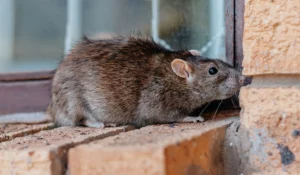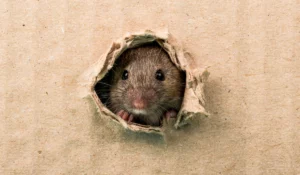
Mice in an attic don’t announce themselves. By the time a homeowner hears scratching at night or notices droppings in a stored item, the population has often been established for weeks. During that time, they’ve been eating insulation, chewing wiring, contaminating the space, and producing young. The damage continues quietly until someone goes looking.
This is an October article. Fall mouse migration peaks October through December across California, and attics are one of their preferred destinations. The sealing work done now determines whether winter is a problem or not.
At Simple Pest we handle attic mouse work across San Diego and Sacramento. Here’s what mice actually do in attics, how to detect them, and how to stop entry before the season ends.
Why Mice Choose Attics
Warmth
- Heat rises from conditioned living space.
- Attics warmer than surrounding outdoor temperatures.
- Insulation retains body heat.
Dryness
- Protected from rain and dew.
- Stable humidity conditions.
- Less moisture-related fungal pressure.
Insulation
- Fiberglass and cellulose provide excellent nesting material.
- Easy to tunnel through.
- Allows concealed movement and nesting.
Food Proximity
- Access to kitchen areas through wall voids.
- Stored items (boxes, seasonal decorations) may have food residues.
- Minimal distance to foraging in the home below.
Quiet
- Attics don’t have daily human activity.
- Rarely disturbed.
- Ideal for raising young.
The Damage Pattern
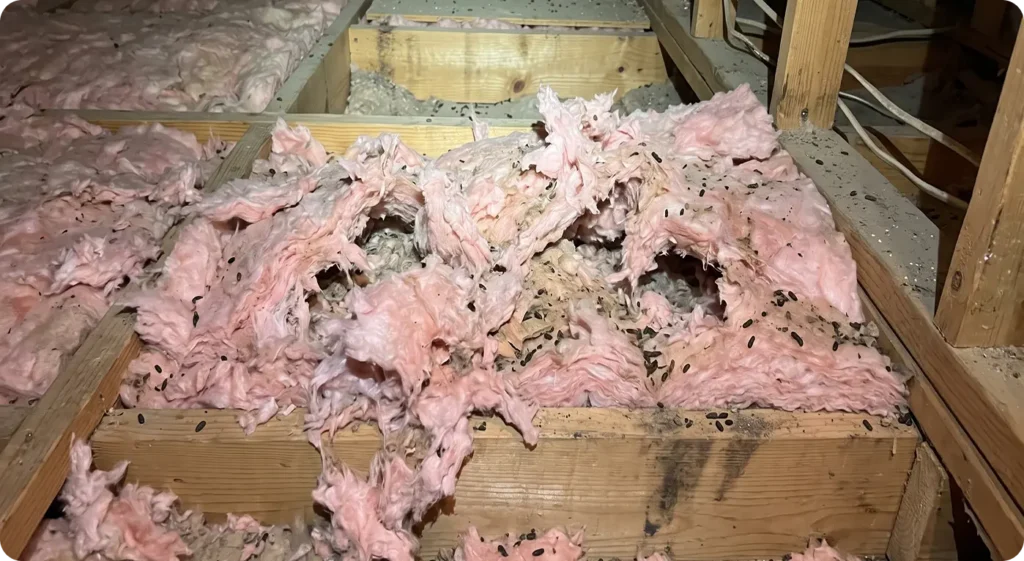
Insulation Damage
- Tunneling through insulation creates voids.
- Contamination with droppings and urine.
- R-value loss (reduced insulation effectiveness).
- Replacement often needed after heavy infestation.
Electrical Wiring
- Mice chew wire insulation (natural teeth-management behavior).
- Exposed wiring causes arcing and fire risk.
- Electrical malfunctions.
- Rodent-related fires are documented cause of home fires.
HVAC Systems
- Duct damage.
- Chewed refrigerant lines.
- Nesting in blower and mechanical areas.
- Compromised system efficiency.
Plumbing
- Chewed plumbing insulation.
- Damage to drain lines.
- Condensate line damage.
Structural Damage
- Gnawing on wood framing.
- Damage to stored items.
- Cosmetic damage to finished surfaces.
Contamination
- Droppings throughout attic space.
- Urine staining and contamination.
- Disease and pathogen accumulation.
- Odor issues that travel into living space.
Mouse Species in Attics
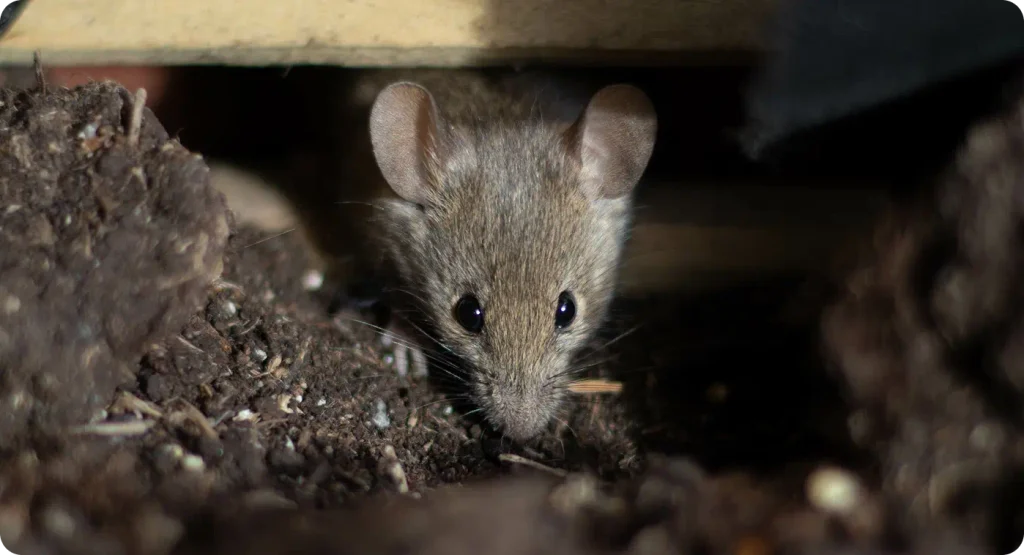
House Mouse (Mus musculus)
- Most common attic mouse in urban California.
- Small (3-4 inches body, plus tail).
- Grayish brown.
- Establishes breeding populations quickly.
- Small openings (1/4 inch) sufficient for entry.
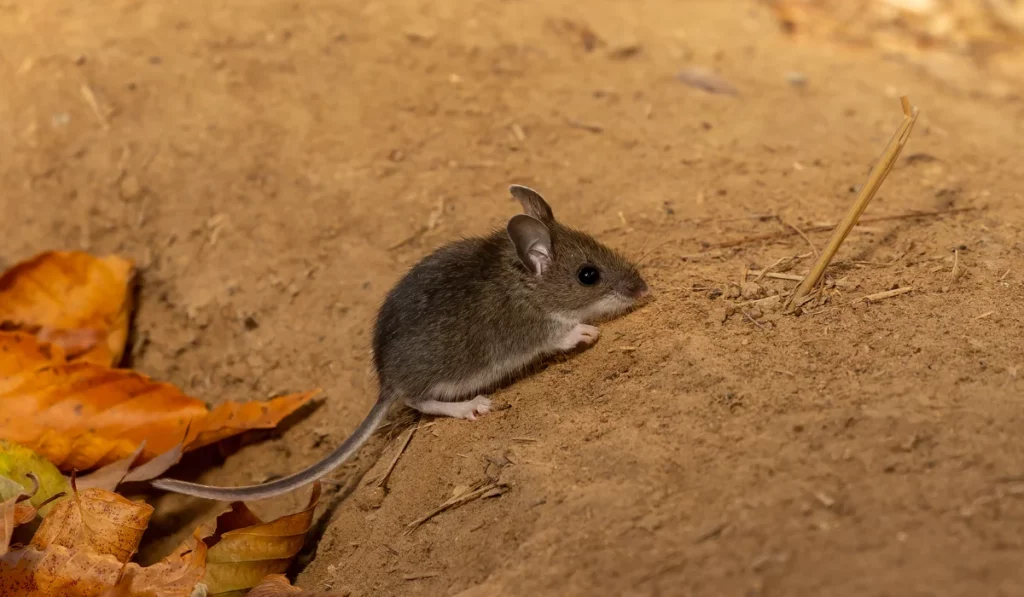
Deer Mouse (Peromyscus maniculatus)
- More common in rural and semi-rural properties.
- Larger than house mouse.
- White underside.
- Hantavirus vector — more concerning from cleanup perspective.
Other Native Mice
- Western harvest mice and others in specific settings.
- Generally similar management approach.
Detection Signs
Sounds
- Scratching in ceiling at night.
- Scurrying sounds from walls.
- Sounds concentrate in specific areas indicating active zones.
- Most active shortly after dark and before dawn.
Droppings
- Small (1/4 inch) dark pellets.
- Accumulate along travel paths and near nests.
- Visible in attic during inspection.
- Sometimes appear in stored items in the attic.
Odor
- Musty, ammonia-like smell.
- Stronger with heavier infestations.
- May be noticed in rooms below the attic.
- Dead mice produce distinctive, more intense odor.
Grease Marks
- Dark smears along joists and walls where mice travel repeatedly.
- Oily residue from fur.
- Indicate travel paths.
Chewed Material
- Gnawed insulation.
- Damaged wiring.
- Chewed cardboard boxes or stored items.
- Distinctive bite marks.
Nest Material
- Collected fibers, paper, and insulation in concentrated piles.
- Typically in sheltered corners or cavities.
Tracks
- In dust or on dusty surfaces.
- Four-toed front print, five-toed rear.
- Tail drag marks possible.
Conducting an Attic Inspection
Safety
- PPE: N95 respirator, gloves, eye protection, long pants and sleeves.
- Work during cool hours (early morning, evening) in hot seasons.
- Stable surfaces (joists, catwalks).
- Good lighting.
Systematic Walk-Through
- Check perimeter along top plates.
- Inspect insulation surface for disturbance.
- Follow travel paths (grease marks, dropping trails).
- Check near roof penetrations and vents.
- Inspect HVAC components.
Documentation
- Photos of evidence.
- Notes on locations and extent.
- Sketch or marked diagram if useful.
- Baseline for tracking changes.
Entry Points to Check

Roof Line
- Gaps at eave-wall junctions.
- Dormer intersections.
- Ridge areas.
- Missing or damaged shingles.
Vents
- Gable vents with damaged screens.
- Soffit vents with damaged screens.
- Ridge vents.
- Turbine (whirlybird) vents.
Roof Penetrations
- Plumbing vent stacks.
- Electrical entry.
- HVAC penetrations.
- Chimney chase.
Soffit and Fascia
- Gaps where soffit meets wall.
- Damaged soffit panels.
- Separated fascia.
Attached Structures
- Garage-to-house roof junction.
- Porch roof connections.
- Shed or addition attachments.
Exclusion Work
Materials
- Hardware cloth (1/4 inch mesh) for mice.
- Copper mesh for irregular gaps.
- Metal flashing for larger gaps.
- Caulk for small gaps.
- Foam as finishing layer only (mice chew through foam).
Roof-Level Work
- Safety considerations favor professional work for roof access.
- Ladder work for accessible areas.
- Roofer for significant repairs.
- Professional pest control for rodent-specific exclusion.
Vent Screening
- 1/4 inch hardware cloth behind vents.
- Screw attachment.
- Replace vent covers after sealing.
Penetration Sealing
- Mesh around pipes.
- Caulk or flashing as appropriate.
- Permanent rather than temporary materials.
Eave and Soffit Gaps
- Close gaps at construction junctions.
- Address separation from settling.
- Paint or seal after repair.
When Population Is Already Established
Don’t Seal First
Sealing with mice inside:
- Traps them in wall voids and attic.
- Produces dead-mouse odor.
- Doesn’t resolve population.
- Can lead to mice finding exits through other damage paths.
Trap First
- Snap traps along travel paths.
- Multiple traps (8-20 depending on attic size).
- Peanut butter bait.
- Check every 1-2 days.
- Continue until 2 weeks without catches.
Alternative: Bait Stations
- Tamper-resistant bait stations if appropriate for the situation.
- Professional application recommended.
- Follow-up to confirm control.
Then Seal
- Complete exclusion once population controlled.
- Cleanup after exclusion.
Cleanup After Infestation
PPE Required
- Respirator (N95 minimum).
- Gloves.
- Eye protection.
- Coveralls.
Protocol
- Ventilate attic for 30+ minutes before entering.
- Spray affected areas with disinfectant before handling.
- Wait 5+ minutes contact time.
- Remove contaminated material into sealed bags.
- Don’t sweep or vacuum dry waste (aerosolizes particles).
- Replace heavily contaminated insulation.
Professional Cleanup
Heavy contamination often warrants professional cleanup:
- Insulation removal and replacement.
- Disinfection.
- Odor neutralization.
- Documentation for insurance if applicable.
Preventive Measures
Seasonal Inspection
- Annual attic inspection, ideally in September.
- Address any developing issues before population migration peaks.
Landscape Management
- Trim tree branches away from roof (4+ feet clearance).
- Manage vines and climbing plants.
- Address rodent-friendly conditions adjacent to house.
Sealing Maintenance
- Inspect exclusion work annually.
- Address damage from weather, settling, or pest activity.
- Replace deteriorated materials.
Interior Monitoring
- Sticky traps in attic corners for passive detection.
- Check stored items periodically.
- Address any sighted activity promptly.
Fall-Specific Urgency

Migration Timing
Fall is when mouse populations actively seek winter shelter:
- Outdoor populations increase as temperatures drop.
- Mice that would have stayed outdoors seek warmer sites.
- Entry pressure at structures peaks October-December.
Timing of Exclusion
- Sealing before October peaks prevents initial entry.
- Sealing in November/December addresses ongoing pressure.
- Sealing after January misses the primary entry window but still prevents future seasons.
Prioritization
For households with limited time or budget:
- Focus on roof line and major entry points first.
- Address smaller gaps in subsequent work.
- Install door sweeps and address ground-level entry as secondary focus.
Complicating Factors
Complex Rooflines
- Ranch and modern architecture typically simpler to inspect and seal.
- Victorians, complex craftsmen, and multi-wing homes have more potential entry points.
- Professional work often appropriate for complex architecture.
Multi-Family Housing
- Shared attics and walls complicate exclusion.
- Building-wide issues require management involvement.
- Individual unit exclusion has limits.
Existing Damage
- Prior roof damage, previous pest activity, or deferred maintenance creates entry points.
- Repair coordination with roofing work may be necessary.
San Diego vs. Sacramento
In San Diego, roof rats are the primary attic rodent, but house mice also present. Year-round entry pressure means exclusion isn’t strictly seasonal. Mediterranean-style homes with tile roofs have complex entry points. Mild climate means populations don’t have hard freeze reset.
In Sacramento, fall rodent migration is pronounced. House mice dominate in central urban areas; deer mice present in foothill and rural properties. Exclusion before October is ideal. First hard freezes reduce outdoor populations but don’t eliminate pressure on established indoor populations.
When Professional Work Is Worth It
For moderate homeowner-accessible exclusion, DIY handles the work. Professional work earns its keep when roof-level access is required, when active infestation needs trapping before sealing, when cleanup and insulation replacement are involved, when complex architecture makes systematic exclusion difficult, or when coordinating with other pest work on the property.
The Tri-Zone™ Defense System addresses rodent pressure at the fence line, yard, and foundation — reducing the outdoor population attempting to access attics in the first place. Simple Pest Management handles attic mouse work across San Diego and Sacramento with fall-timed inspection and exclusion coordinated to the migration window.